
By Heidi Clayton
Created in 1933, the non-sporting group of the AKC is an eclectic mix of 20 breeds, with varying sizes and coats, that did not fit the traditional molds of being a working, sporting, herding, terrier, or toy breed. Diverse in size and purposes, these breeds were usually bred for multiple purposes ranging from guarding and companionship to ratting and fighting, as well as quite possibly a food source!
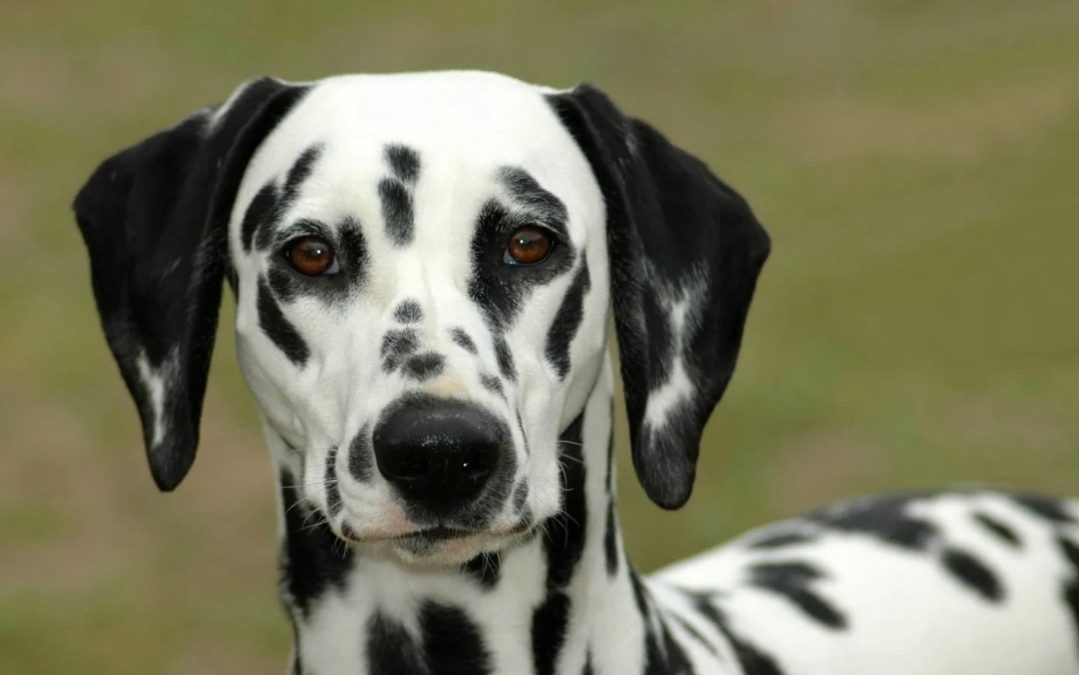
The tallest of the non-sporting group is the ever-recognizable Dalmatian that originated in the Dalmatia region of Central Europe. The breed is known to have been bred by the Romani population and was used to run alongside their horses while traveling, both protecting the horses and the valuables on the carts. The nomadic way of Romani life is most likely how the breed made its way through Europe. At some point in the 1800s, the breed made its way to London, where it was used to run alongside fire wagons, protecting their horses and leading them to be the unofficial mascot of modern-day fire departments. Due to their guarding and running origins, the Dalmatian will need early socialization and rigorous exercise.
The Bichon Frise and the Coton de Tulear were once used as items to be bartered by Spanish sailors along the Mediterranean coast. Through those travels, they made their way inland, where they became coveted dogs of status to the elite of France, and, in particular, Paris. Then the French Revolution started. As the elite of the city were systematically hunted down and killed, their dogs became homeless. They became street performers of the homeless population, who would use them as props to beg for money. The Poodle, while originally a German breed known for its swimming and duck-retrieving skills, also became a member of the French Aristocracy. However, because of their looks, they suffered a similar fate where they became more of a companion than a retriever.
Asian breeds such as the Chow Chow and Shar Pei were hidden from Western Civilization for many years, as China was such a secluded country, until England became a shipping and trading empire. While very unlikely, there is a rumor that the Chow Chow gained its name because it was frequently used as food in protein-starved regions and that the word “edible” in some dialects of Chinese sounds like “chow.” It is also possible that when being loaded onto British ships, they were listed as “chow,” which was a pidgin term meaning “miscellaneous”. The Chow Chow was brought to the London Zoo in 1820 as part of the “Wild Dogs of China” Exhibit, where they caught the eye of Queen Victoria. She brought one of them home, thus establishing the Chow as a trendy dog breed to have. The Shar-Pei dog is famous for its wrinkles, which served as a means of protection against predators while being all-around farm dogs in the Guangdong province region. When communists took over China in 1944, they frowned upon breeding purebred dogs and began slaughtering dogs en masse. The Shar-Pei had by then made its way to Hong Kong, which remained in British hands, and was saved from extinction by one man. In 1977, Matgo Law wrote a letter to an American Dog Magazine, pleading for help in saving the soon-to-be extinct Shar-Pei. The response was overwhelming, with American dog fanciers springing into action and smuggling a small number of the dogs out of Hong Kong to start a breeding program here in the United States, where their new role was to be companion dogs.
The non-sporting group may give you the impression that the dogs in it are not active or didn’t once serve a purpose, but breeds like the bulldog and Boston terrier lost their jobs of participating in dog-fighting sports and bull-baiting. They then were bred down in size and temperament to become more agreeable companions, so they did not fit into the working group. What is certain about all of them is that at some point, even when they lost their original jobs or purpose, they were all bred to be wonderful companions.
The dogs of the non-sporting group are the American Eskimo Dog, Bichon Frise, Boston Terrier, Bulldog, Shar-Pei, Chow Chow, Coton de Tulear, Dalmatian, Finnish Spitz, French Bulldog, Keeshond, Lhasa Apso, Lowchen, Norwegian Lundehund, Poodle, Schipperke, Shiba Inu, Tibetan Spaniel, Tibetan Terrier, and the Xoloitzcuintli.
If you have any questions, please email fouronthefloorschool@gmail.com.
Heidi Clayton started Four On the Floor Dog Training to provide positive, reward-based dog training in South Jersey. She breeds, trains and shows bull terriers under the SoraBully’s Bull Terriers kennel name. Email questions to heidi@fouronthefloordogtraining.net or learn more at https://fouronthefloordogtraining.net