
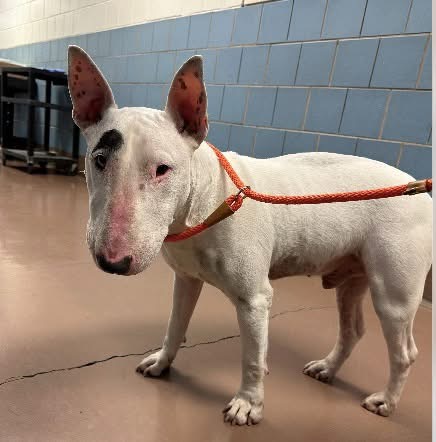
There are 205 recognized purebred dogs in the American Kennel Club, from the Affenpinscher to the Xoloitzcuintli, and nearly every one of these breeds has a dedicated rescue organization that assists surrendered dogs in finding a new home. If rescuing a dog is how you want to bring one into your life, but you have always wanted a specific breed of dog, the AKC can help you with that.
The AKC’s primary job, so to speak, is being a registration service for purebred dogs’ breeding stock. However, they also maintain a registry of dog clubs for every single breed of dog that they recognize, and they are very active in supporting breed-specific rescues. Every breed, including my own, the bull terrier, has a national breed club. For my breed, it is The Bull Terrier Club of America. These national breed clubs almost always have a dedicated group of people who foster and raise surrendered dogs of their breed. The Bull Terrier Club of America has a very organized group of people who operate under the 501(c)(3) Bull Terrier Rescue Trust, who pull bull terriers from shelters around the country. These dogs are then fostered by people familiar with bull terriers and assessed for any issues before being placed with the right people.
The AKC conducted a survey among rescue organizations to track how purebred dogs end up in rescue situations. They found that 67% of the surrenders were directly from the owner to the rescue group, and the remaining 33% came from shelters or other rescue groups. The number one reason a dog is surrendered is that the owner discovered that it was not the right breed for them. The second and third most common reasons were a change of lifestyle and being unable to provide for the dog. In the case of bull terriers, I can tell you that nearly 100% of the dogs entered into the rescue system are from “backyard” breeders, who are simply creating dogs and later refuse to take a dog back from the owner once their puppy leaves them. Every single breeder I know who is responsible would never allow their puppies to end up in a rescue or surrender situation. Always make sure when you are getting any puppy that the breeder will take the puppy back if need be.
For instance, Amish puppy mills produce probably every single purebred dog, along with various doodle mixes nowadays. Yet they also rarely, if ever, take a dog back. In my opinion, these puppy mills produce some of the worst health and behavioral issues, which may not be found in the breeds as a whole but are almost always found in the puppy mill dogs. While a purebred dog ending up in rescue does not in any way mean that they will all have issues, it is important to try and find out as much as you can about the dog you are interested in. For example, the French bulldog rescue is inundated with poorly bred dogs that have serious health issues, such as bad skin, breathing problems, and eye issues from people creating “fad”-colored Frenchies. If you are looking for a specific breed to rescue, looking for a breed-specific club that is dedicated to preserving their breed can be very beneficial since those that are handling these dogs have years and years of breed knowledge, which is incredibly helpful when placing these dogs.
While being in the rescue system of a breed club does not mean that all of those rescue dogs are damaged, you should be realistic about your experience level. Rescuing a large, strong dog, like a cane corso or even a bull terrier with issues, may be out of your skill set. Therefore, you should ask questions about the dog’s specific temperament, what they have been through and where they came from, so you can be prepared for the task ahead.
When you do rescue a purebred dog from a breed club, what is always available is access to decades of breed knowledge that can be helpful in the raising and care of your new dog. Purebred rescue groups almost always can direct you to someone who has been there and done that. They also can help you with everything from nutrition, grooming, and training.
To find a breed club that offers rescue, go to the American Kennel Club’s webpage and start by looking up the parent club for whichever breed you are interested in. Be patient, because most rescue groups have all-volunteer staff, who are doing the best they can to help the dogs.
If you have any questions, please email fouronthefloorschool@gmail.com.
Heidi Clayton started Four On the Floor Dog Training to provide positive, reward-based dog training in South Jersey. She breeds, trains and shows bull terriers under the SoraBully’s Bull Terriers kennel name. Email questions to heidi@fouronthefloordogtraining.net or learn more at https://fouronthefloordogtraining.net