
Cooler evening temperatures in South Jersey mean we need to make some decisions in the garden. Depending upon your proximity to the coast, you may have another month before you need to worry about frost killing your outdoor plants. That said, nighttime temperatures dipping below 50 degrees can do serious damage to the most vulnerable plants.
You have several options when it comes to tender plants in the garden. An easy option would be to thank them for their contribution, think of them as expendable annuals, and allow nature to take its course. However, this can become costly, as you seek to replace them every year. And if you found a plant that gave you much joy, you won’t want to give up that easily. A better option would be to overwinter your plants until spring brings us warm weather once again. You may not be able to save them all, but by saving your most prized plants, you will have a jump start for the next year.
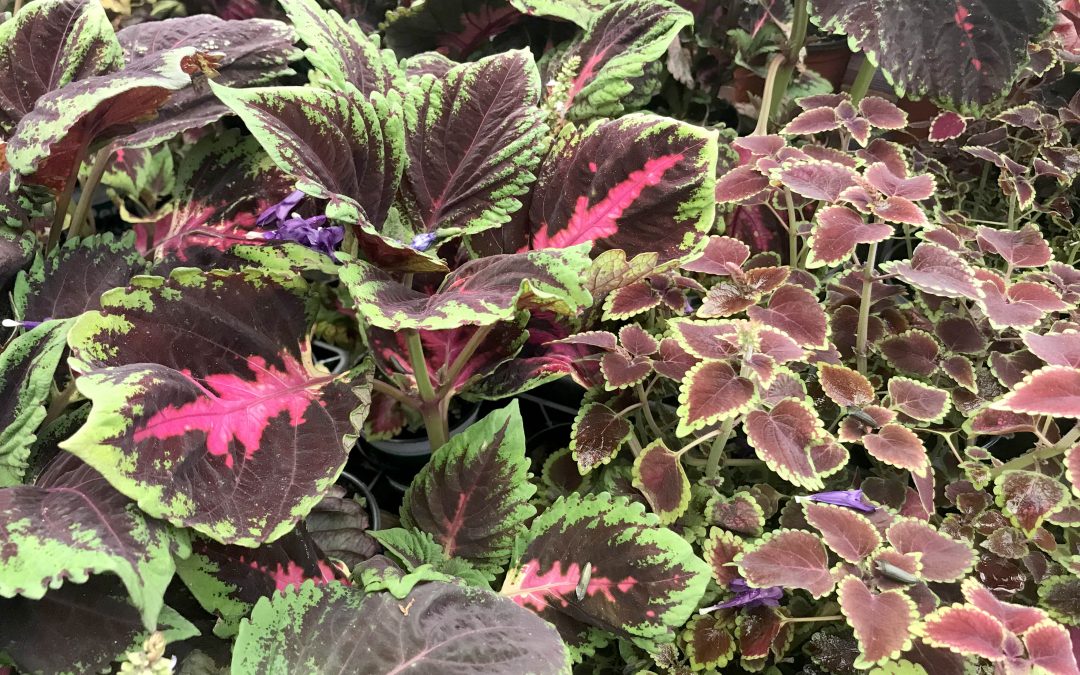
Once you decide which plants you would like to preserve, you have several ways to overwinter them. You can bring them in as houseplants, take cuttings, or allow them to go dormant in a cool area, such as a garage or basement. Tropical plants should be first on the list, since they will need to come inside long before the first frost. They are the least tolerant to cold temperatures and will start to show damage below 50 degrees. Though they may survive, cooler temperatures may cause them irreparable damage. By bringing them in sooner rather than later, you will have healthier plants that will have a better chance of surviving winter indoors. Some great candidates are peace lilies, crotons, geraniums, begonias, and coleus.
No matter the plant, your first order of business needs to be making sure that you are not accidentally bringing uninvited guests into your home. While aphids, spider mites, scale, mealybugs, and white flies can live on the stems and leaves of your plants, fungus gnats, ants, and earwigs can live in the soil. Don’t let this discourage you from saving your plants, but do not skip this step of prevention. First, thoroughly inspect your plants for hitchhikers and kick them out. Spray the leaves and stems with a blast of water and clean the leaves. You can use insecticidal soap or neem oil to clean the leaves. You will also want to prevent insects from coming in the soil of your plants. Carefully remove the plant from the container to check for large pests hiding in the bottoms and edges of the insides of the soil. Use caution not to disturb any delicate roots. You can also give your plant an outdoor bath, and soak the soil with water and a few drops of insecticidal soap. Remove the plants from the bath after 15-20 minutes and allow them to drain thoroughly. Scrape away and discard the top few inches of soil (where most eggs and larvae will hide) and replace with fresh indoor potting soil. When your plants are ready to come inside, give them a few weeks of quarantine from your existing houseplants. This way, if you missed any bugs, you can keep the problem from spreading to your healthy plants. Expect some leaf loss and signs of stress, since the big move can give your plant a bit of shock. Hopefully, after a few weeks, they will feel at home again.
If space is an issue, you can save your plants by taking cuttings. Good candidates for this are geraniums, begonias, and coleus. Choose a four- to six-inch non-flowering stem, cut just below a node, and remove the bottom leaves. Dip the end in rooting hormone and add the cutting to a loose potting soil. Keep your cutting humid, but not overly wet, and keep it out of direct sunlight. In the spring, you can reacclimate your cuttings to the great outdoors and have a jump start to the new season.
You can also overwinter plants such as geraniums (and begonias, but less reliably so) by storing them as bare-root plants. Prune them back, trim the leaves, and remove all flowers (heartbreaking tough love, but necessary). Gently remove all soil and place the plant in a large brown paper bag or shoebox. Just make sure that the container is breathable. Store in a cool (but not freezing), dry, and dark location, such as a garage or unheated basement. Check the plants every few weeks. If they are looking too dry, remove from the container and lightly mist the roots. Allow the water to dry before placing it back into the bag or box. In the spring, rehydrate the roots in water, and repot about six to eight weeks before your last frost. Allow the plants to grow in their happy pots until they can be reintroduced to your garden.
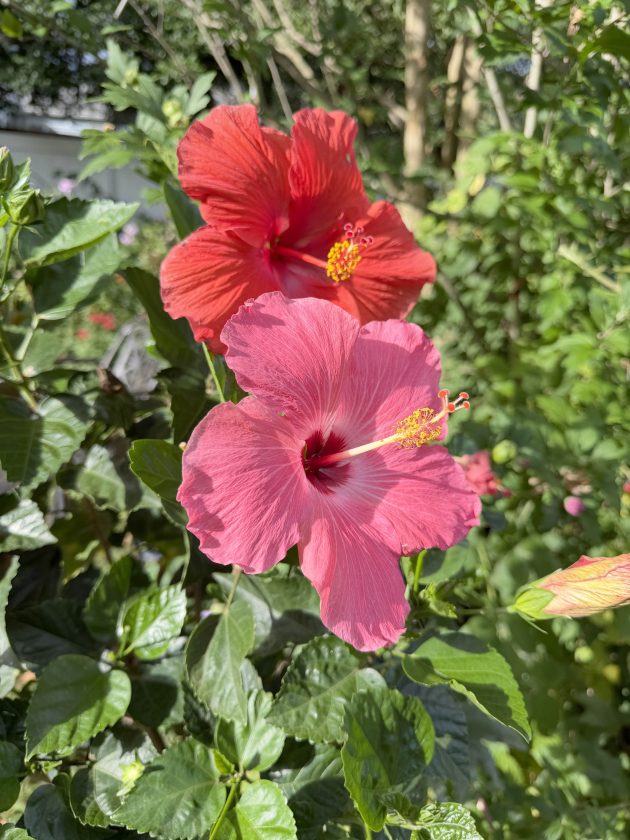
We would love to hear about your successes and failures of overwintering plants. I have enjoyed overwintering plumeria and brugmansia “sticks” as well as fuchsia plants. This year, I’m planning to overwinter my beautiful hibiscus plants and experimenting with different ways of overwintering geraniums. Send your comments and questions to: shorelocalgardener@gmail.com.
Tammy Thornton lives with her husband, children, and crazy pets while enjoying a life of gardening, cooking, and going to the beach.