
Now that fall is in full swing, we shift our focus in the garden. Contrary to the belief that gardening season is over, fall provides gardeners with new opportunities for planting, transplanting, and division. You can also use this time to assess your garden by thinking about what worked and what did not. As summer blooms fade, cool-season plants step up and take their turn to shine in the spotlight of fall weather. Add in the happy chores of collecting seeds, planting spring-blooming bulbs, and preparing your garden for winter, and you will find that fall offers plenty of reasons to keep busy and enjoy the great outdoors.
If you listen closely, you may hear your plants breathe a sigh of relief in fall. Heat waves and droughts of summer have taken their toll, but cooler weather encourages your perennials that they can carry on. Below some of the brown, crunchy leaves, you can spy new green growth on your stems, and some of your lingering tomatoes will form and turn to a rewarding red. While the weather above is cooler, your soil maintains some of its warmth, making this the perfect time for planting perennials and shrubs. Though we can’t resist adding new plants in the summer, hot weather can add stress to newly transplanted flowers and plants. But fall welcomes new arrivals with open arms, providing them with warm soil for their roots and temperate weather above ground. Your goal is to allow approximately six to eight weeks for the roots of new plants to become established before the first frost. Fall gardening is about the long game, not so much instant gratification. Your focus is toward encouraging healthy roots, not immediate flowers.
Be sure to keep these new plants well-watered, but also allow time for the water to drain. The healthier these plants start out in your garden, the better equipped they will be to handle harsh weather in the winter. By spring, they will show their appreciation with flushes of new growth. Before the weather becomes too cold, make sure to add a healthy dose of mulch around your plants. This will help them conserve water and will protect their roots when winter freezes arrive.
You can often score some good deals this time of year at garden nurseries. Perennials are often found for good prices since the nurseries want to clear their stock and make room for mums and other new fall plants. I found new catmint plants for only $1.00 per plant, and have the perfect bare spot waiting for them in my garden. They may not look like the belle of the ball this time of year, but seasoned gardeners know that this is a perfect way to fill your garden with perennials at a discount. Just be sure not to choose diseased plants. No sale is worth bringing pestilence to your other plants! Most often, they will just appear a bit neglected and need a good haircut. While you are at the garden nursery, look for shrubs and trees to plant in fall, such as lilacs, viburnums, dogwoods, roses, spirea, and redbud.
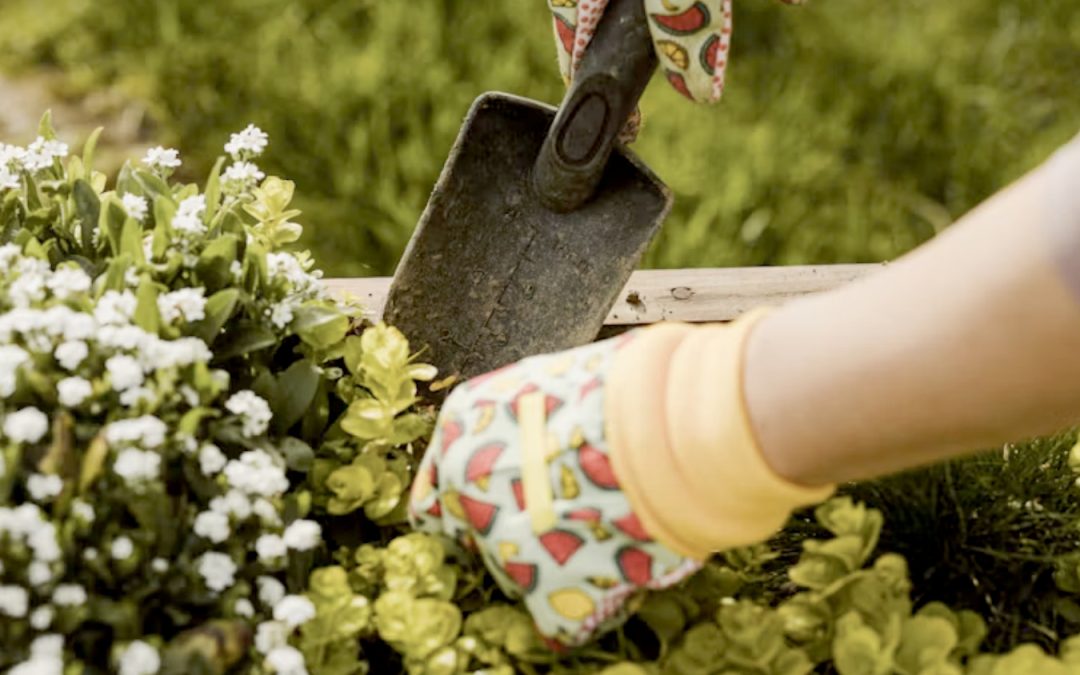
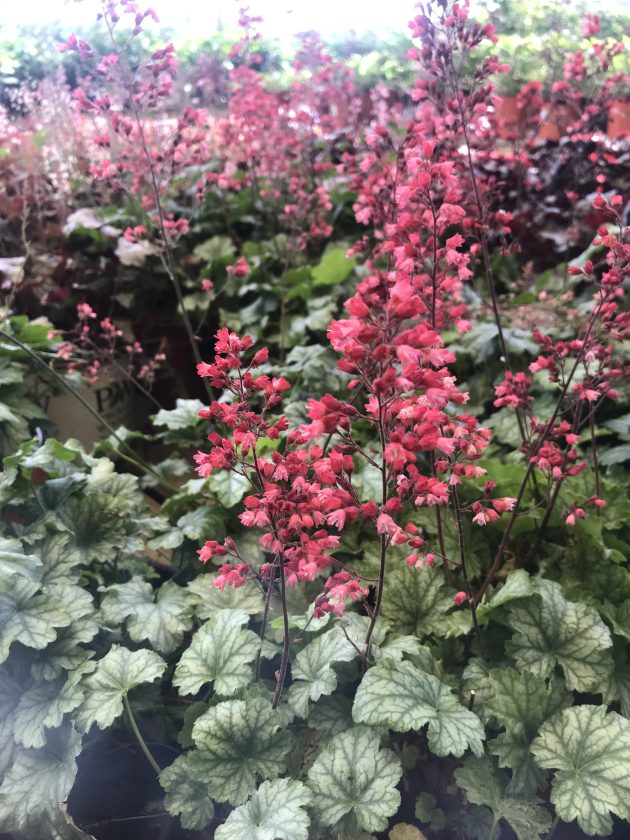
Fall is also the perfect time for dividing older plants that have become overgrown or are not thriving. You can give new life to tired perennials by digging them up, dividing them and moving the divisions to a new spot in the garden. Most often this will apply to clumping types of perennials such as hostas, daylilies, catmint, hellebores, coral bells, coneflowers, astilbe, irises, sedum, and yarrow. Choose plants that are not actively blooming. A tell-tale sign that your plants are ready to be divided will be a bare spot in the center of the clump or fewer flowers than in years past. I find that a forceful slice with my spade helps divide these plants. You will feel a bit heartless, but this is tough love, and you will ultimately help your plants thrive. Not to mention, now you have multiplied your beloved plants and will have free plants to add to a new spot in the garden or to share with friends. Just be sure that you have plenty of roots attached to your new division. To be sure, though this is for their own good in the long run, you will have caused the plants some stress. Give them a little extra attention, keep them well-watered as you would any new transplant, but don’t allow them to sit in water. Most plants need to have well-drained soil and can rot from “wet feet.”
This time of year, you will want to give some consideration to your potted plants. They will be more vulnerable to winter weather than plants that are in the ground. If you prefer to keep them in their pots, you should start searching for a place to store them to protect them from the harshest weather. A covered porch or garage may be best, or a protected area close to the house could work. Even hardy plants can suffer when the pot is exposed to extreme temperatures and the constant freezing and thawing of winter. Your best option for hardy plants would be to plant them in the garden now, so that the roots have time to establish before it gets too cold. If you are committed to keeping them in the pot, you can try a little trick of digging a hole, then adding the pot and all to the hole. This will give your pot and plant some extra protection.
We would love to hear about your fall garden. Send your comments and questions to: shorelocalgardener@gmail.com.
Tammy Thornton lives with her husband, children, and crazy pets while enjoying a life of gardening, cooking, and going to the beach.