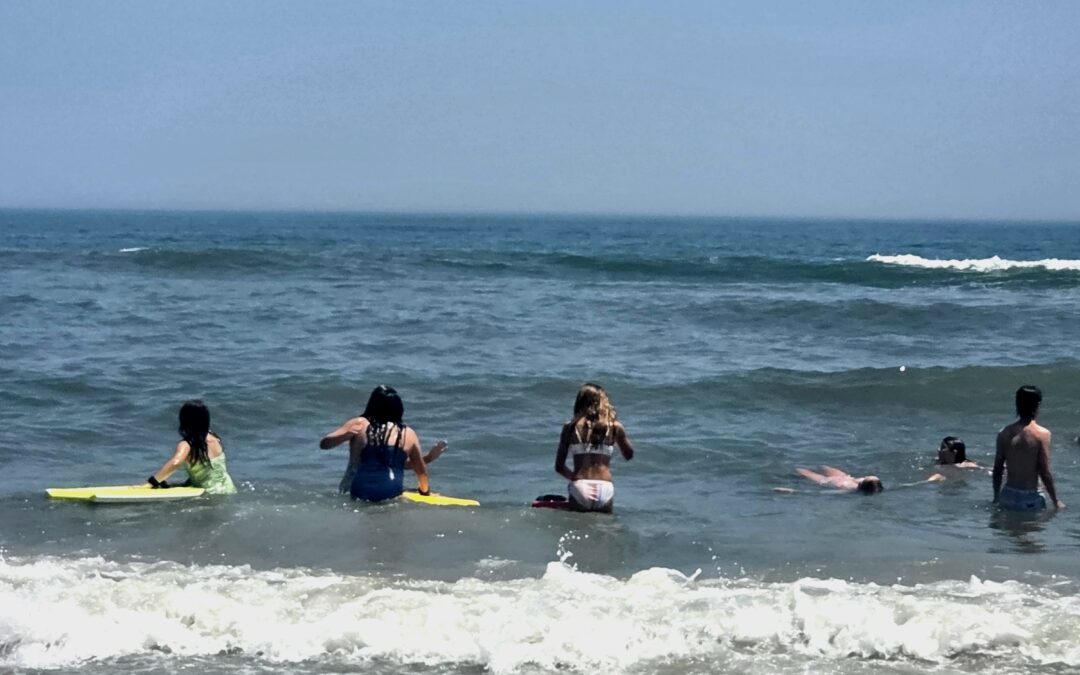
With air temperatures soaring into the 90s, everyone has flocked to the shore expecting a refreshing dip in the Atlantic. Instead, many have been met with a shock—water that feels more like Easter than the Fourth of July.
The culprit is a natural ocean process known as upwelling, which has temporarily sent water temperatures tumbling along much of the Jersey Shore, even as a dangerous heat wave gripped the region.
According to NOAA observations, the ocean temperature off Atlantic City recently hovered around 65 degrees, far below the mid-70s that swimmers typically expect in early July.
“It’s one of those strange moments where the hotter it gets on land, the colder the ocean can become,” said meteorologists explaining this week’s unusual conditions.
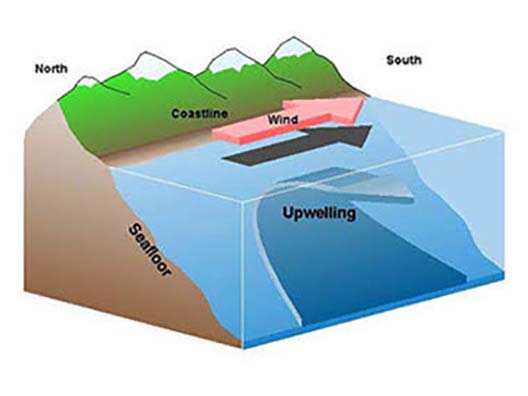
Upwelling occurs when steady southerly winds blow parallel to New Jersey’s coastline, pushing the sun-warmed surface water away from shore. As that warmer water is carried offshore, much colder water from deeper in the Atlantic rises to replace it.
Think of it as nature stirring a giant pot. The warm layer on top is swept aside, allowing the cold water below—sometimes 50 feet or more beneath the surface—to rise to the beach. The process can lower ocean temperatures by 10 to 20 degrees in just a few days.
While it may disappoint swimmers, upwelling is actually beneficial for marine life. The deep water is rich in nutrients that fuel blooms of phytoplankton—the microscopic plants that form the foundation of the marine food web. Those nutrients support baitfish, flounder, striped bass, bluefish, dolphins and countless other species found off the Jersey coast.
If you’ve jumped into the back bays around Ocean City, Somers Point, Margate or Marmora this week, you’ve probably noticed a dramatic difference.
Unlike the Atlantic Ocean, bays are generally shallow, sheltered and much smaller. That means sunlight can heat the entire water column much more quickly. During extended stretches of hot weather, bay temperatures often climb into the upper 70s or even low 80s.
The bays also don’t experience significant upwelling because there isn’t a deep reservoir of cold water waiting beneath the surface. Instead, the warm water remains trapped, creating conditions that can feel almost bath-like compared to the chilly surf.
For fishermen, the colder water can actually improve fishing by concentrating bait and game fish closer to shore. For surfers, the cooler water often brings clearer conditions.
For everyone else, it simply means packing a little extra courage before diving into the Atlantic.
The good news for beachgoers is that the cold snap likely won’t last much longer. Upwelling typically ends when the wind changes direction or weakens, allowing the sun-warmed surface water to drift back toward the coastline.
If southerly winds ease over the next several days, ocean temperatures can rebound surprisingly quickly—sometimes climbing 5 to 10 degrees within a few days.
While another period of persistent south winds could trigger renewed upwelling later this summer, forecasters expect the Atlantic to gradually return to its more typical mid-July temperatures as weather patterns become less favorable for the phenomenon.
For those determined to take a dip despite the chilly surf, experts recommend easing into the water rather than diving in all at once. Splashing cool water on your arms, legs and torso before fully submerging can help your body gradually adjust to the temperature, making the initial shock feel less intense.
Once you’re in, keep moving by swimming or wading to help generate body heat, but avoid staying in the water for long periods, especially if you begin shivering or feel numb.
Young children, older adults and anyone with certain medical conditions may be more sensitive to cold water, so it’s wise to limit swim time and warm up with a towel, dry clothing and the summer sun after getting out.
For those looking for warmer waters, head to bay areas or have a splash at hidden gems like Lake Lenape. If your rental or hotel offers a pool, take advantage.
So remember, if the ocean leaves you shivering while the sand is too hot to stand on, don’t worry—the Atlantic hasn’t forgotten it’s summer. It’s simply showing off one of nature’s most fascinating oceanographic tricks.
Sarah Fertsch of Egg Harbor Township holds a Bachelors of Arts in Public Relations. She is a locally renowned poet, storyteller, and dog lover.