
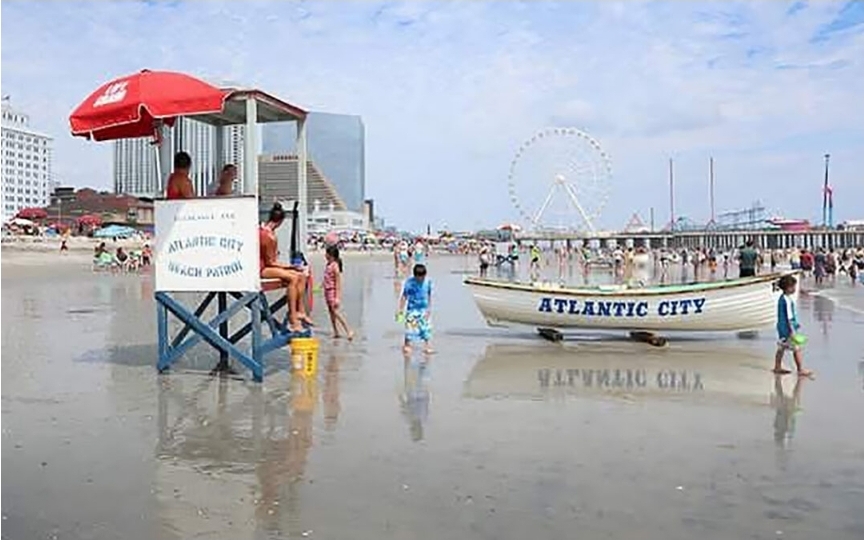
For generations, New Jersey’s open-water lifeguards have been the first to sprint toward danger.
Whether diving into pounding surf to rescue a struggling swimmer, treating a cardiac emergency on the beach or coordinating with police and EMS during a crisis, lifeguards have long served as the first line of defense along the Shore.
Now, the state has officially recognized what beach communities have known for decades: open-water lifeguards are first responders.
On June 30, the New Jersey Senate unanimously passed Senate Resolution 72, formally recognizing the state’s approximately 3,000 open-water lifeguards as first responders and emergency response providers. The designation acknowledges the specialized training lifeguards receive and the lifesaving responsibilities they shoulder each summer while protecting millions of beachgoers along New Jersey’s 123 miles of coastline.
“This resolution is a meaningful step toward giving these everyday heroes the recognition they have long earned,” said Sen. Vin Gopal, the resolution’s prime sponsor, in announcing the measure. He noted that lifeguards are often the first to respond in emergencies, making split-second decisions that save lives and keep beaches and waterways safe.
While many visitors picture lifeguards sitting atop elevated stands with whistles around their necks, the job extends far beyond scanning the surf.
Open-water lifeguards are trained to perform water rescues, administer CPR, provide emergency medical care, stabilize spinal injuries, operate rescue watercraft and coordinate with police, firefighters and EMS during major emergencies. Many also receive training in marine firefighting, emergency medical response and law enforcement support.
The Senate resolution notes that lifeguards fulfill the same four core emergency-response duties expected of first responders: responding to emergencies, treating victims, assisting victims and transporting them to safety. It also recognizes that lifeguards protect not only lives, but also property, evidence and the environment during emergency incidents.
According to state officials, recognized first responders become eligible for several state emergency responder benefits, including priority access to emergency responder insurance programs, line-of-duty death benefits for surviving family members and priority vaccinations during future communicable disease outbreaks.
Supporters also say the recognition could help strengthen recruitment at a time when many Jersey Shore beach patrols struggle to fill positions late in the summer as college students return to school and teachers head back to the classroom.
The resolution also serves as a tribute to two New Jersey lifeguards who lost their lives in the line of duty in 2021.
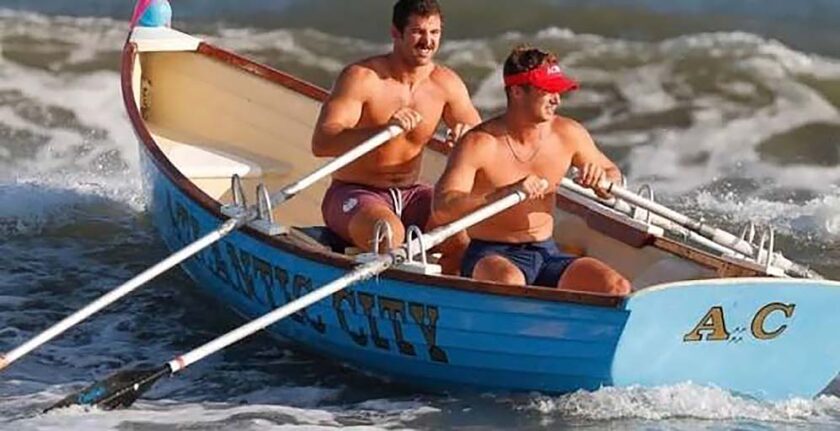
Sixteen-year-old Norman Inferrera, a first-year Cape May lifeguard from Pennsylvania, died after his patrol boat overturned during rough surf conditions. Just days later, 19-year-old Keith Pinto, a South Seaside Park lifeguard, was struck by lightning while working on the beach. Their deaths underscored the risks that accompany a profession often viewed as a summer job but rooted in public safety.
From Ocean City and Atlantic City to Margate, Ventnor, Brigantine, Longport and Wildwood, beach patrols have long been woven into the identity of the Jersey Shore. Every day during the summer season, lifeguards monitor changing surf conditions, educate swimmers about rip currents, respond to medical emergencies and stand ready whenever someone is in distress.
Those responsibilities begin well before the first beach umbrella is planted each morning. Many beach patrols require rigorous physical testing, including distance swims, paddle events, beach runs and extensive rookie training before new guards are assigned to a lifeguard stand. For example, the Ocean City Beach Patrol requires candidates to complete a competitive lifeguard test followed by approximately 48 hours of rookie school before beginning work.
The new designation recognizes what countless beachgoers have experienced firsthand: when seconds matter on the sand or in the surf, the first person rushing toward the emergency is often a lifeguard.
As another busy summer unfolds at the Jersey Shore, New Jersey’s open-water lifeguards will continue doing what they have always done—protecting lives. Now, they do so with the official title many believe they have earned all along: first responders.
Sarah Fertsch of Egg Harbor Township holds a Bachelors of Arts in Public Relations. She is a locally renowned poet, storyteller, and dog lover.