We hear a lot about toxins in our food, but what about the products we use every single day: things like shampoo, deodorant, lotion, body wash, makeup, and even the cleaners under our sink? Many of us are making more mindful choices at the grocery store, reading labels and trying to eat better. But when it comes to what we put on our bodies or use in our homes, we may not give it the same attention.
The truth is, many of our everyday products contain long lists of ingredients. That does not mean we need to panic or toss everything out, but it does remind us to take a closer look. When we know better, we can choose better.
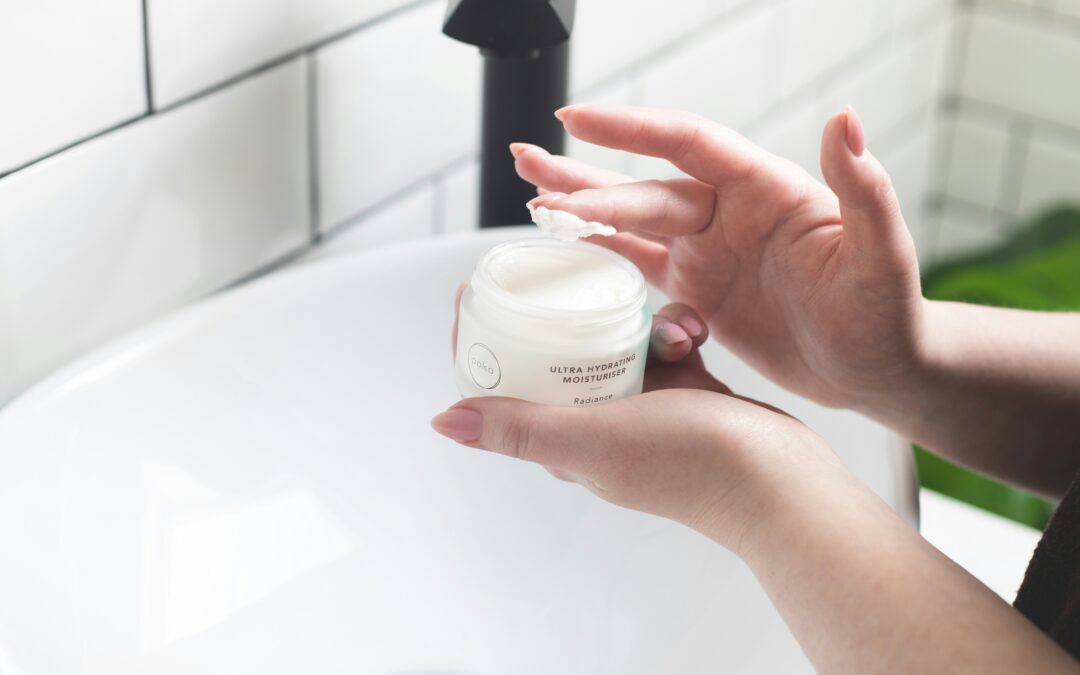
Our skin is our body’s largest organ, and while it does a great job protecting us, ingredients we use on it can still be absorbed. We are also breathing in products like hairspray, perfumes, air fresheners, and cleaning sprays. Over time, those exposures can add up. That is why it makes sense for us to think beyond what we eat and take a closer look at what we use on and around our bodies each day.
One ingredient we often see is simply listed as “fragrance.” It sounds harmless, even pleasant, but that one word can represent a mixture of many different chemicals. Companies are not always required to list each one. Fragrance shows up in everything from shampoo and lotion to laundry detergent and candles. For some of us, it can trigger headaches, skin irritation, or allergy-like symptoms. Choosing fragrance-free or lightly scented products can be an easy fix.
We may also notice ingredients like parabens, which are used to preserve products and keep them from growing bacteria or mold. They have been used for years, but questions have been raised about how they may affect hormones. Because of that, many of us are now seeing and choosing paraben-free options.
Phthalates are another group of ingredients we may want to be aware of. They are often used to help fragrances last longer or improve texture. Like parabens, they have raised concerns because of their potential impact on our hormonal system. Again, this is not about fear, it is about awareness.
There are other ingredients we may come across too, such as aluminum compounds in antiperspirants, certain preservatives that release formaldehyde, or detergents like sodium lauryl sulfate that can be irritating, especially for sensitive skin. Not everyone reacts the same way, but paying attention helps us make choices that feel right for us.
The good news is we do not have to change everything overnight. We can start small. Think about the products you use every single day such as deodorant, moisturizer, shampoo, lip products, sunscreen. Those are great places to start.
We can also pay closer attention to labels on these products the same way we read nutrition labels on food. Looking for shorter ingredient lists and familiar terms can be helpful. Words like fragrance-free, paraben-free, and phthalate-free can guide us, even if they are not perfect solutions.
Another simple step is to use fewer products overall. Many of us have cabinets filled with items we barely use. I have to admit; I am guilty of that. Personal care products like shampoo, lotion, makeup, and sunscreen can go bad over time. As they age, the ingredients can break down, preservatives become less effective, and bacteria or mold can start to grow, especially in products that are opened frequently or exposed to heat and humidity. Simplifying our routine and tossing old and unused products can save money, reduce clutter, and lower unnecessary exposure. Sometimes less really is more.
It is also worth thinking about our home environment. Cleaning products, air fresheners, and scented candles can all affect indoor air quality. Opening windows, choosing unscented options, and using simpler cleaning solutions can make a difference. In many cases, basic products like white distilled vinegar, baking soda and water can go a long way.
If you have young children or grandchildren, this can be especially important. Younger skin can be more sensitive, and many kids are introduced to fragranced sprays, lotions, and cosmetics at an early age. Teaching them to be aware of what they are using is a healthy habit that can last a lifetime.
At the same time, it helps to look at each product individually. Just because something is labeled “natural” does not automatically make it better, and just because an ingredient has a long, scientific name does not mean it is harmful. Everything is made of chemicals, even water. The goal is not perfection, it is simply being more aware and finding a balance that feels right for us.
When it comes to our health, small choices really do add up. We may not be able to control everything in our environment, but we can take a closer look at what we bring into our homes and use on our bodies each day.
Want to check what’s in your products? Here are a few trusted resources:
- Environmental Working Group Skin Deep Database (ewg.org/skindeep)
- Think Dirty App (rates beauty and personal care products)
- Campaign for Safe Cosmetics (safecosmetics.org)
- U.S. Food and Drug Administration Cosmetics Info (fda.gov/cosmetics)
- Yuka – an app that scans product labels and analyzes the health impact of food products and cosmetics.
Robin is a former television reporter for NBC News 40. She currently hosts a podcast and radio program called Living Well with Robin Stoloff. It airs Sundays at 10 AM on Lite 96.9. You can email Robin at livingwellwithrobin@gmail.com