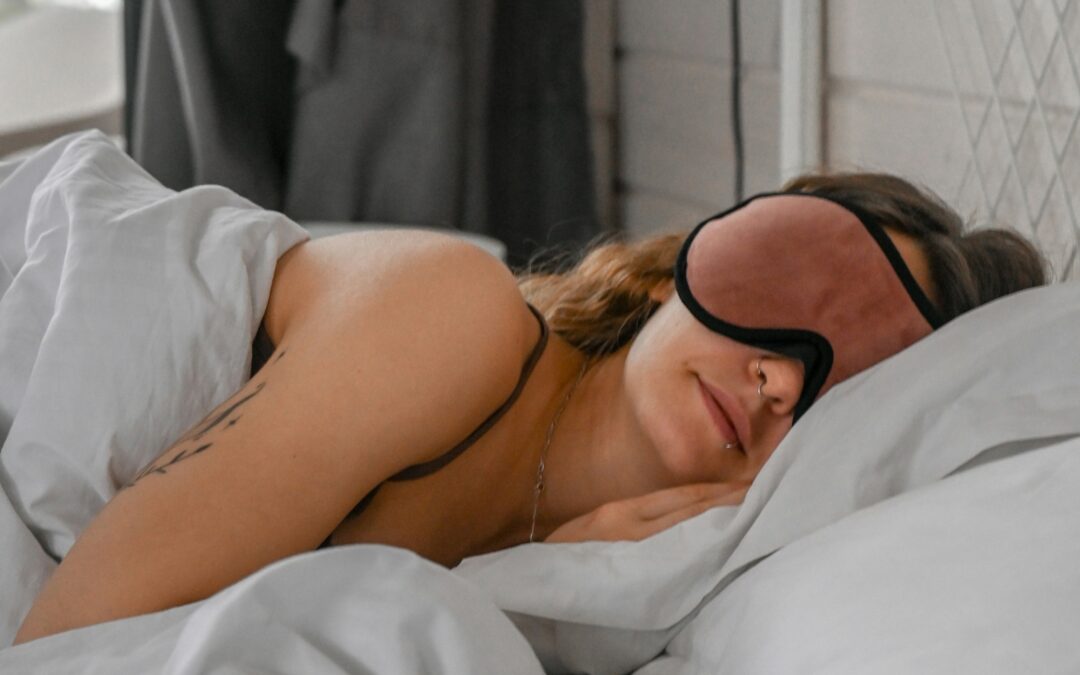
If you’ve been burning the midnight oil, hitting snooze one too many times, or staring at the ceiling at 2 a.m. wondering why you can’t drift off, this week is for you. National Sleep Week kicks off May 10th, and it’s a good time for us to focus on our slumber habits.
Although it is often underrated, sleep affects almost every aspect of our health, and the newest science behind it has never been more eye-opening (pun intended), and the news is both fascinating and a little sobering.
First, let’s take comfort in numbers. If you struggle to fall or stay asleep, you are in very good company. According to the National Sleep Foundation, nearly 4 in 10 adults have trouble falling asleep at least three nights per week, and almost half of all adults struggle to stay asleep that often. Altogether, between 50 and 70 million Americans are dealing with some form of active sleep disorder. Chronic insomnia alone affects about 12% of the population, according to the American Academy of Sleep Medicine and that number may be even higher, since many cases go undiagnosed.
So, what’s keeping us up? Stress and anxiety top the list, but screens are a major culprit too. Nearly 88% of adults admit to losing sleep watching TV, scrolling or streaming shows. Add in late caffeine, inconsistent schedules, noise, light pollution, and the general hectic pace of modern life, and it’s no wonder so many of us are running on fumes.
Researchers have been busy lately, and the findings are genuinely remarkable. A groundbreaking 2026 study out of Stanford University trained an AI on sleep recordings from more than 65,000 people and found it could predict a person’s risk for 130 different diseases including dementia, heart failure, and stroke with up to 84% accuracy, all from analyzing a single night of sleep data. The takeaway? Our sleep is essentially a window into our future health, containing far more information than we ever imagined. Meanwhile, new research from Oregon Health & Science University found that regularly sleeping less than 7 hours is linked to a shorter lifespan. They discovered the relationship between sleep and life expectancy is actually stronger than that of diet, physical activity, or social isolation. Let that sink in for a moment.
The short-term effects of poor sleep are things most of us feel firsthand: brain fog, irritability, poor concentration, and that dragging feeling that no amount of coffee can fully fix. But the long-term consequences are far more serious. Chronic sleep deprivation has been linked to increased risk of heart disease, high blood pressure, obesity, type 2 diabetes, and even certain cancers. On the mental health side, poor sleep is closely tied to anxiety and depression and the connection goes both ways, each making the other worse.
Here’s the good news. When we consistently get the recommended 7 to 9 hours, the benefits stack up fast. Quality sleep strengthens our immune system, regulates our hormones, and supports cardiovascular health. It’s also when our brain literally cleans itself, flushing out waste products that accumulate during waking hours, a process believed to play a protective role against Alzheimer’s disease. Emotionally, well-rested people are more resilient, more positive, and better equipped to handle stress. The National Sleep Foundation found that adults who get the recommended amount of sleep are significantly more likely to describe themselves as “flourishing” in life. Research also shows that people who sleep poorly actually feel measurably older than their real age while those who sleep well feel younger and more vital.
Sleep Week is the perfect time to focus on your sleep habits, and you don’t have to overhaul everything at once. Start with one small change: go to bed and wake up at the same time every day, keep your room cooler and darker, or create a soothing bedtime ritual. Cutting back on screens, late-night eating, and alcohol before bed can also make a bigger difference than you’d expect. If you’ve been struggling for a while, it’s worth talking to your doctor. Even one small shift can pay off in a big way, for your body, your mind, and your mood. Here’s to sweet dreams and better health!