Coastal Conversations By Alanna Stoloff
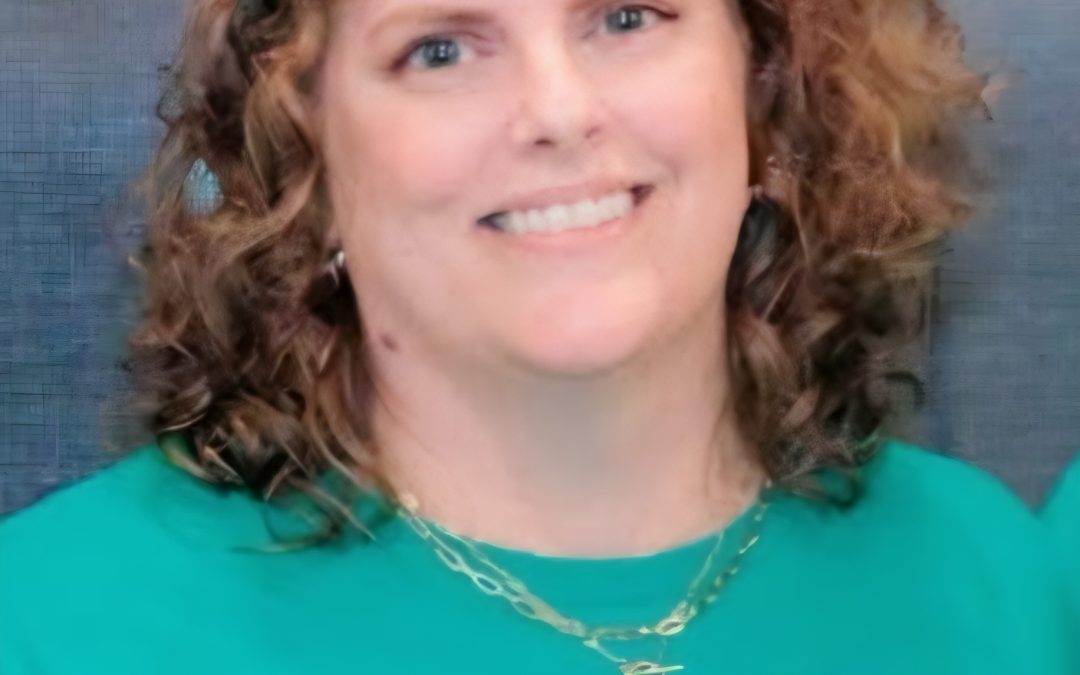
A caring mentor can help a young person see new possibilities for their future. Sarah Roorda, executive director of Big Brothers Big Sisters of Atlantic & Cape May Counties, helps lead programs that connect local children with supportive adult and high-school mentors.
Through community-based and school-based mentoring, the organization builds relationships intended to help young people grow in confidence, strengthen their connections and work toward their goals. Roorda discusses the needs of young people and families and how the community can help Big Brothers Big Sisters make a lasting impact.
Here are some excerpts from our Coastal Conversation:
AS: What first drew you to youth mentoring, and what has kept you committed to this work?
SR: I first became involved with Big Brothers Big Sisters in 2001 as a mentor and joined the staff team in 2006. Growing up in a single-parent home, one of my older cousins became an important mentor in my life. She encouraged me, built my confidence and helped me believe in myself. I saw Big Brothers Big Sisters as an opportunity to pay that experience forward. What has kept me committed is seeing the confidence, hope and resilience that grow through caring relationships.
AS: How does Big Brothers Big Sisters of Atlantic & Cape May Counties match a young person with a mentor?
SR: We get to know each volunteer, child and family through an enrollment process that includes an application, interview and training. We make thoughtful matches based on personality, shared interests, preferences and location, trying to keep everyone within about 20 minutes of one another.
AS: What qualities do you look for in a volunteer mentor, and what training and support do you provide?
SR: We look for caring, dependable adults who genuinely want to make a difference. The best mentors don’t need to have all the answers. They are good listeners, positive role models and people who can show up consistently. All volunteers receive training focused on child safety and relationship development. Our staff provide guidance, resources and encouragement throughout the match.
AS: What are some of the needs or challenges local children and families bring to your programs?
SR: Many of the children and families we serve are navigating challenges such as social isolation, family stress, financial hardship or a lack of consistent support systems. Some young people simply need an additional caring adult who will listen, encourage them and help them build confidence. We also see incredible resilience in the children and families we serve.
AS: How do your community-based and school-based mentoring programs differ, and how do you decide which is the right fit for a young person?
SR: Our school-based program offers a more structured environment, with matches meeting at partner sites in Cape May Court House, Galloway and Pleasantville, typically every other week. High school students can also serve as mentors, with our staff present during activities. We consider the child’s needs, family preferences and volunteer availability. Community-based matches have greater flexibility to spend time together through shared experiences.
AS: What changes have you seen in young people as they build a steady relationship with a mentor?
SR: One of the most rewarding parts of this work is watching young people grow in confidence and begin to see their own potential. We often see improvements in self-esteem, communication skills and their willingness to try new things and set goals. Having a caring adult in their corner who believes in them can have a lasting impact.
AS: How do parents and caregivers take part in the mentoring process and support a successful match?
SR: We view parents and caregivers as essential partners in the mentoring relationship. Our staff stays in regular contact with the parent or caregiver, mentor, and child. Through ongoing communication and monthly check-ins, we address concerns, provide guidance and celebrate successes along the way.
AS: What would you say to someone considering becoming a mentor, and how can others support the organization?
SR: I would encourage you to take the first step. You don’t need to be perfect or have all the answers. What matters most is being a caring, dependable adult willing to show up, listen and be present. The commitment is simply a few hours twice a month. Others can volunteer, attend events, become advocates or make a financial contribution to help us serve more youth.
Thank you, Sarah, for sharing your perspective and for your dedication to helping local youth build brighter futures.
Coastal Conversations highlights people in our community who are making a meaningful impact. If you know someone who would be a great fit for a future column, please contact me at ShoreCoastalConversations@gmail.com.
From the shore to your door, let’s keep the conversation going.