
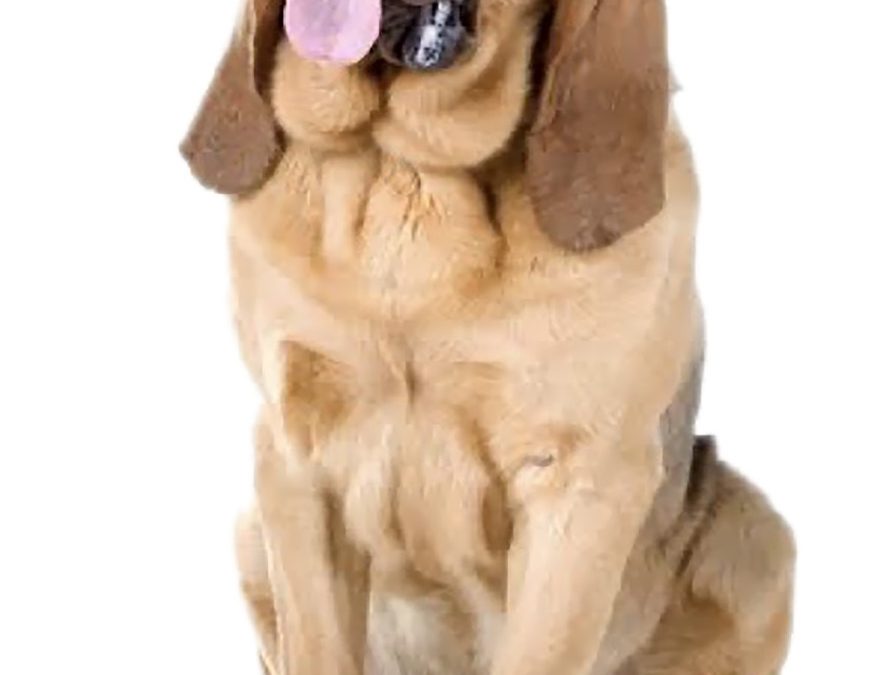
The Hound Group was established by the American Kennel Club in 1930 when the two-group system of judging dogs became too large. The common thread among this diverse-looking group was that they were all bred to hunt. They range in looks from the small, compact Bassett Hound to the tall, elegant Afghan Hound. While they are all bred to hunt, their diverse looks are based on how they accomplish that task of hunting, which is either by sight, when prey is chased and caught, or by scent, which involves tracking the prey through all types of terrain and alerting the hunter where the prey is.
The evolution of the scent hound is based primarily in Europe, specifically Belgium. Between the seventh and eighth centuries, monks at St. Hubert monastery began a breeding program of hunting dogs that used Celtic Dogs from France, who were known to have exceptionally strong noses, to breed a reliable hunter that could track prey for long distances. These dogs had big, heavy heads with long ears and large, heavy bones. They also were known to have sociable temperaments, so they could hunt harmoniously in packs and had a strong “baying” bark to alert the hunters where the prey was. The St. Hubert hounds are the predecessor of the bloodhound, as they became very popular among the nobility of Europe who used them for the very popular pastimes of fox hunting but were also used to track wolves and boar. American breeds, such as the Black & Tan Coonhound, were created from bloodhounds and foxhounds imported from Europe. Raccoons did not exist in England, but in America, their pelts were in high demand, so American raccoon-hunters created a hound that could track them, chase them up a tree, and then bay loudly to alert the hunters.
Sight hounds originate from ancient times and come from the plains of Africa and Asia. The oldest sight hound recorded appears to be the Saluki, which dates back to about 3000 B.C. and they were known as the royal dogs of Egypt. Afghan hounds and greyhounds are also found on ancient Egyptian artifacts. The gene pools of sight hounds were kept very pure as they tended to travel with the nomadic tribes of the area but spread through Europe as they returned with explorers and traders.
The vast differences in the body types of the hound groups are based on the sight hounds needing to have stamina and speed to catch prey and scent hounds needing to have endurance to smell it. Sight hounds have narrow heads that allow them to have panoramic eyesight and have long legs with a more aerodynamic body frame. The scent hounds needed an acute sense of smell. They typically have longer ears and extra skin on the face to gather the scent during tracking but also have a heavier-boned, sturdy body frame to cover long distances. While nearly every scent hound has a familiar “baying” style bark, sight hounds do not, as barking takes energy while running.
Regardless of whether you choose a sight or scent hound, you should be prepared for what that entails. Scent hounds will want to smell everything. Also keep in mind that hounds are going to chase prey and need ample exercise. And if you want a beagle, there will be baying in your future!
The dogs of the Hound Group include the Afghan, American English Coonhound, American Foxhound, Azawakh, Basenji, Bassett Hound, Beagle, Black & Tan Coonhound, Bloodhound, Bluetick Coonhound, Borzoi, Cirneco Dell’Etna, Daschund, English Foxhound, Grand Bassett Griffon, Vendeen, Greyhound, Harrier, Ibizan Hound, Irish Wolfhound, Norwegian Elkhound, Otterhound, Petit Basset Griffon Vendeen, Pharaoh Hound, Plott Hound, Portuguese Podengo Pequeno, Redbone Coonhound, Rhodesian Ridgeback, Saluki, Scottish Deerhound, Sloughi, Treeing Walker Coonhound, and the Whippet.
If you have any questions, please email fouronthefloorschool@gmail.com.
Heidi Clayton started Four On the Floor Dog Training to provide positive, reward-based dog training in South Jersey. She breeds, trains and shows bull terriers under the SoraBully’s Bull Terriers kennel name. Email questions to heidi@fouronthefloordogtraining.net or learn more at https://fouronthefloordogtraining.net