

The first signs of fall often show up in the produce aisle before they appear anywhere else. Watermelons make way for pumpkins, apples fill the bins, and squash in every shape and size return to our dinner tables. As the kids head back to school and the pace of summer begins to slow, the unofficial start of fall brings more than cooler days and changing leaves. It brings a fresh opportunity to eat foods that are flavorful, nutritious and naturally good for our health.
Eating with the seasons is not just a nice idea; it is genuinely good for us. Produce picked at its peak and sold close to where it was grown tends to retain more of its nutrients than produce that traveled thousands of miles to get here. It also usually tastes better, which makes it much easier to eat more fruit and vegetables. Plus, seasonal produce is often more plentiful and affordable, giving us another good reason to take advantage of what fall has to offer.
Let’s start with pumpkin because nothing says fall quite like it. Pumpkin deserves credit for much more than lattes and porch decorations. It is packed with beta-carotene, the nutrient that gives it its bright orange color and that our bodies convert to vitamin A, which supports eye health and immune function. Pumpkin is also low in calories and a good source of fiber. Don’t forget the seeds. Roasted pumpkin seeds make an easy, protein-rich snack that too many of us toss away when carving a pumpkin.
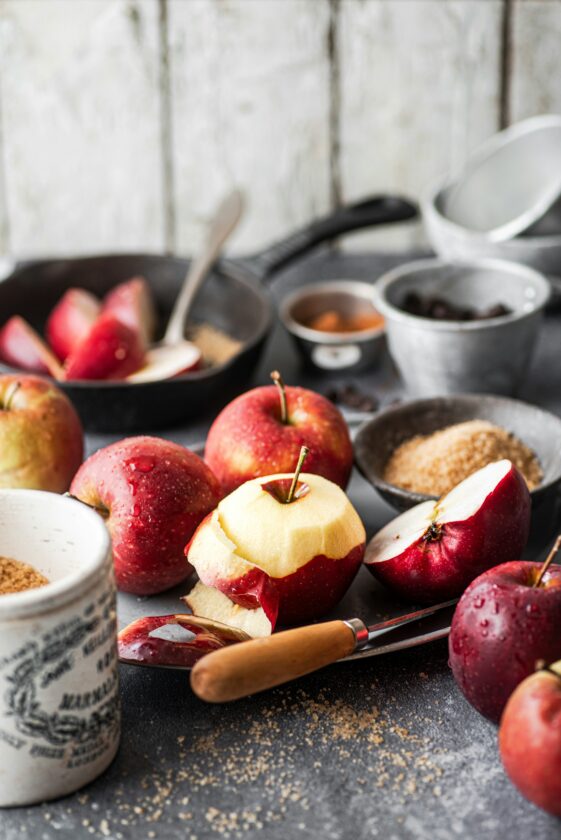
Apples are another unofficial mascot of fall. One medium apple has about four grams of fiber, which supports digestion and helps us feel full longer. Apples are rich in antioxidants, particularly in the skin. They make an easy snack on their own, but we can also add sliced apples to salads or bake them with a little cinnamon for a naturally sweet treat without a lot of extra calories or added sugar. Apples can also be sliced into oatmeal or yogurt. With so many varieties available this time of year, it is easy to find one that suits your taste, whether you prefer sweet, tart or somewhere in between.
Then there is squash, which covers a lot of ground this time of year: butternut, acorn, spaghetti and zucchini. Most varieties provide important nutrients, including fiber, potassium and vitamins. Zucchini makes a nice addition to eggs in the morning, while pumpkin, butternut squash and other fall vegetables can be blended into warm, creamy soups. Roasting squash with a little olive oil and salt is about as low-effort as cooking gets, and leftovers can be made ahead and added to meals throughout the week.
Root vegetables such as sweet potatoes, carrots and beets come into their own this season, too. They are naturally sweet, satisfying and versatile enough to roast, mash or toss into a soup. Sweet potatoes provide a strong dose of vitamin A and fiber, and they hold up beautifully as a side dish for just about anything coming off the grill or out of the oven this time of year. Roasting several different root vegetables together is also an easy way to add more color and variety to a meal. A tray of roasted vegetables takes just minutes to prep, and once it is in the oven, there is very little work involved.
Brussels sprouts, often unfairly maligned because of childhood memories of overcooked, mushy versions, are one of the best fall vegetables when prepared properly. Roasted at a high temperature until the edges crisp up, they develop a slightly sweet, nutty flavor that can convert even the most stubborn skeptics. They are also packed with vitamin C, vitamin K and fiber, making them well worth another try if you have not had them in a while.
The real appeal of fall produce is how easy it makes healthy eating. None of this requires a complicated recipe or a trip to a specialty store. It simply means walking through the produce aisle with a little more intention and noticing what is plentiful right now. Trying something different can also keep healthy eating from becoming boring. Pick up a squash you have never cooked before, try a different variety of an apple or give brussels sprouts another chance.
This fall let’s take advantage of what is actually in season. Our bodies benefit from the nutrients, our wallets can benefit when seasonal produce is plentiful, and food simply tastes better when we enjoy it at its seasonal best.
Some of the best choices for our health may be waiting right in the produce aisle. So, fill your basket with the colors of fall and try one fruit or vegetable you do not usually buy. There is something satisfying about changing the way we eat along with the seasons, and fall gives us plenty of delicious ways to do it.
Robin Stoloff is an award-winning health reporter in South Jersey. A former TV reporter, she now hosts Living Well with Robin Stoloff, Sunday mornings at 10 a.m. on Lite 96.9 WFPG.