
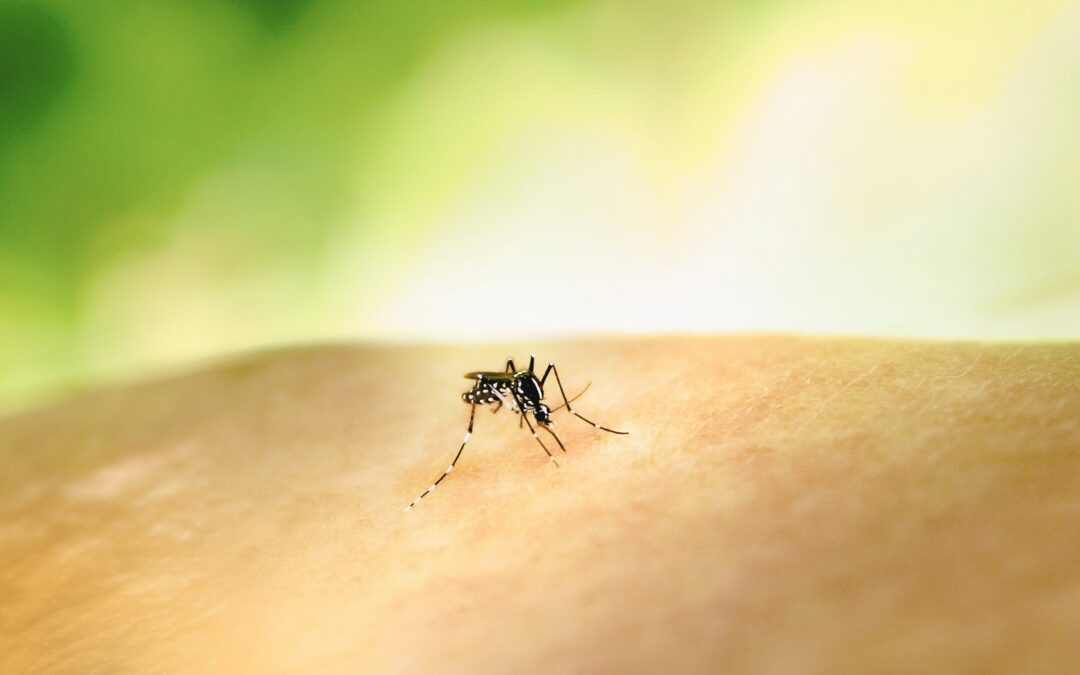
Here’s a pop quiz for you: what animal harms or kills more people worldwide than any other? A shark? A snake? Maybe a lion?
It’s actually the mosquito.
It is hard to believe something so small could cause so much trouble, but mosquitoes are considered the world’s deadliest animal because of the diseases they carry. Malaria alone killed an estimated 610,000 people worldwide in 2024, about 95 percent of them in Africa, and many were children younger than five. That’s on top of the other serious diseases mosquitoes spread around the globe.
The good news is our risk here in the United States is much lower. For most of us, a mosquito bite means an itchy red bump and a few days of trying not to scratch it. The best-known mosquito-borne illness in this country is West Nile virus, and most people who get infected never develop symptoms at all. Some may feel feverish, get a headache, body aches, joint pain, an upset stomach or a rash. In rare cases, West Nile can affect the brain and nervous system and turn serious.
There are a few other mosquito-borne illnesses circulating in the U.S. too, ones that can cause fever, a severe headache, confusion or swelling around the brain. Serious illness is uncommon, but it does happen, especially for older adults and people with certain health conditions.
None of that means we should panic or spend the rest of August hiding indoors. It just means mosquitoes deserve a little more respect than “annoying summer pest,” and a few basic precautions really do make sense.
Think about the sounds of summer at the Jersey Shore: waves rolling in, kids laughing, music drifting off the boardwalk, and yes, that high-pitched whine of a mosquito circling our ear. One minute we are relaxing on the deck, the next we’re slapping our arm and wondering how something so tiny can be so relentless.
The best defense is stopping the bite before it happens. When you’re spending time outside, reach for an insect repellent registered with the EPA. Products with DEET or picaridin are generally considered safe when you follow the label directions. Use only what you need, keep it away from your eyes, mouth, cuts and irritated skin, and wash it off once you’re back inside. For your face, spray a little into your hands first and rub it on gently.
If you’d rather not put much directly on your skin, some DEET and picaridin products can go on clothing instead, though it’s worth checking the label since not every fabric works with every formula. Permethrin is a different story: it’s made for treating clothing and gear like shoes, socks, pants and camping equipment, and it should never touch bare skin. You can buy pre-treated clothing or find a product labeled specifically for fabric.
Prefer something plant-based? Oil of lemon eucalyptus shows up in certain EPA-registered repellents and can work well when used as directed. It is not the same as rubbing pure lemon eucalyptus essential oil on your skin. Look for a product that is actually labeled as an insect repellent. Citronella and other plant-based ingredients can help too, but natural doesn’t automatically mean harmless or effective. Whatever you reach for, read the label instead of assuming more is better.
Loose, lightweight long sleeves and pants offer another layer of protection. Not exactly appealing in August heat, but a breathable option can be worth it for an evening walk or an outdoor gathering.
One of the most effective things you can do happens right in your own yard. Mosquitoes lay eggs in standing water, and they don’t need much of it, just a flowerpot saucer, a bucket, a forgotten toy, a clogged gutter, a tarp or an overturned lid. Make it a weekly habit to walk the property, empty containers, refresh the water in birdbaths, clear the gutters and check outdoor furniture after a good rain. It’s a small job that keeps your yard from turning into a mosquito nursery.
Some homeowners hire a company to spray the yard, which can knock the population down for a while and make the deck or patio more enjoyable. It’s not a permanent fix though, especially if standing water is still nearby or mosquitoes are drifting in from next door. If you go this route, ask what product they use, how often the yard needs treatment, how long kids and pets should stay off the grass, and whether they avoid flowering plants, ponds and other spots where bees, butterflies and fish could be affected. There are also sprays made for homeowners to apply themselves. Read the label, use only what’s recommended, and skip windy days or spraying near people, pets, food, gardens and open water.
Yard treatment can be one piece of the plan, but it shouldn’t replace the basics. Clearing standing water is still the simplest way to stop mosquitoes before they start flying and biting.
If you do get an ordinary bite, wash it, apply a cold compress and try to leave it alone. Seek medical care for a severe headache, high fever, stiff neck, confusion or unusual weakness.
We can’t prevent every mosquito bite this summer, but repellent, smart clothing choices, a little yard upkeep and a weekly check for standing water, can mean less time swatting and more time enjoying the rest of the season.
Robin Stoloff is an award-winning health reporter in South Jersey. A former TV reporter, she now hosts Living Well with Robin Stoloff, Sunday mornings at 10 am on Lite 96.9 WFPG.