
Summer in New Jersey means long days at the beach, backyard barbecues and evenings on the porch. Unfortunately, it also means sharing the season with an army of insects that seem determined to crash every outdoor gathering.
While mosquitoes and wasps return every year, two pests have earned a particularly notorious reputation: the greenhead fly and the spotted lanternfly. As temperatures rise, both are expected to make their presence known across the Garden State.
The shore’s most hated visitor
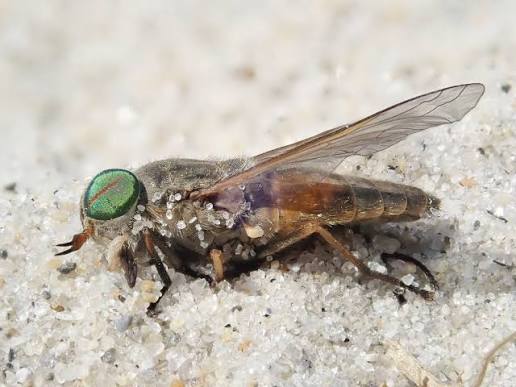
Ask any longtime shore local about summer bugs, and chances are they’ll immediately mention greenhead flies.
Known scientifically as Tabanus nigrovittatus, greenheads are a species of horsefly that breed in the salt marshes lining New Jersey’s coast. Unlike houseflies that merely annoy, female greenheads bite. They require blood meals to produce eggs, making beachgoers, fishermen and anyone spending time near marshes an appealing target.
Greenhead season typically peaks between early July and late August, coinciding with some of the busiest weeks at the Jersey Shore. They’re most active during the hottest parts of the day, particularly when winds blow from the west and carry them from the marshes toward the beaches.
What makes greenheads especially dreaded is their bite. Unlike mosquitoes, which pierce the skin with a needle-like mouthpart, greenheads slice into the skin to access blood. The result is an immediate sting followed by swelling, itching and sometimes large welts that can linger for days.
Experts recommend wearing light-colored clothing, seeking breezy locations and using insect repellents. While no solution is foolproof, strong winds can significantly reduce encounters because greenheads are relatively weak fliers.
The return of the spotted lanternfly
Just when we thought the spotted lanternfly invasion had begun to fade, reports suggest the invasive pest could rebound this summer. Experts predict that 2026 will be a particularly active year for lanternflies after populations appeared to decline in some areas during recent summers.
First discovered in Pennsylvania in 2014 and later detected in New Jersey in 2018, spotted lanternflies have spread throughout the Mid-Atlantic region. While they don’t bite people, they pose a significant threat to agriculture and ornamental plants. Their preferred food source is the invasive tree-of-heaven, but they also feed on grapevines, maple trees, black walnut trees and dozens of other plant species.
This time of year, residents are most likely to encounter lanternfly nymphs: small black insects covered with white spots. As they mature, they develop bright red coloration before eventually becoming the familiar gray-winged adults seen later in summer and early fall.
State and local officials continue to encourage residents to destroy lanternflies when they find them. Although the insects are not dangerous to humans or pets, their feeding habits can weaken plants, damage vineyards and create nuisance infestations in neighborhoods and parks.
Mosquitoes bring more than an itch
Last week, Atlantic County health officials confirmed that a mosquito pool collected in the 400 block of Montclair Avenue in Pleasantville tested positive for West Nile virus. The sample was collected May 27 and confirmed June 2, marking the county’s second positive mosquito pool of the season. Officials emphasized that no human cases have been reported, but additional surveillance and mosquito control measures are underway.
West Nile virus is transmitted through the bite of an infected mosquito. Most people who contract the virus experience no symptoms, but some may develop fever, headaches, body aches and fatigue. In rare cases, particularly among older adults and individuals with weakened immune systems, the virus can cause serious neurological illness.
Health officials recommend taking several simple precautions throughout the summer. Residents should eliminate standing water from flowerpots, birdbaths, gutters and other containers where mosquitoes can breed. When spending time outdoors, especially at dawn and dusk when mosquitoes are most active, use an EPA-approved insect repellent containing DEET, picaridin or another recommended active ingredient. Wearing long sleeves and pants can prove helpful in prevention, too.
The worm that’s turning up in New Jersey gardens
Another invasive species gaining attention in New Jersey isn’t an insect at all. Known as the jumping worm, Asian jumping worm or “crazy worm,” this earthworm has been spreading throughout the Northeast and has increasingly been spotted in New Jersey gardens and landscapes.
Unlike common earthworms, jumping worms thrash violently when disturbed, earning their name from their snake-like, jumping movements. The worms can grow up to 8 inches long and can be identified by a distinctive milky-white band that completely encircles their bodies.
While earthworms are often considered beneficial, jumping worms can cause significant environmental damage. They consume organic matter at an unusually rapid rate, stripping away the leaf litter and nutrients that many native plants, insects and wildlife depend on. Their castings leave behind loose, grainy soil often compared to coffee grounds, making it difficult for plants to establish healthy root systems.
The worms are commonly spread through the movement of mulch, compost, potted plants and soil. Gardeners may unknowingly transport their tiny cocoons from one location to another. Because there are currently few effective methods for eliminating established populations, experts recommend inspecting plants and soil before moving them and avoiding the sharing of potentially infested mulch or compost.
For gardeners and anyone who dislikes creepy-crawlies, the presence of jumping worms can be particularly frustrating. As awareness increases, environmental officials are encouraging residents to report sightings and learn how to identify the invasive species before it becomes more widespread.
Not all bugs are bad
While much of the summer conversation centers on biting, buzzing and invasive insects, some of New Jersey’s most beloved summertime visitors deserve a warmer welcome.
Fireflies, also known as lightning bugs, are among America’s most iconic summer insects. Their twinkling displays begin appearing in June and can continue through much of the season, lighting up backyards, parks and wooded areas. The flashes are actually part of a complex mating ritual, with different species using unique light patterns to attract potential mates.
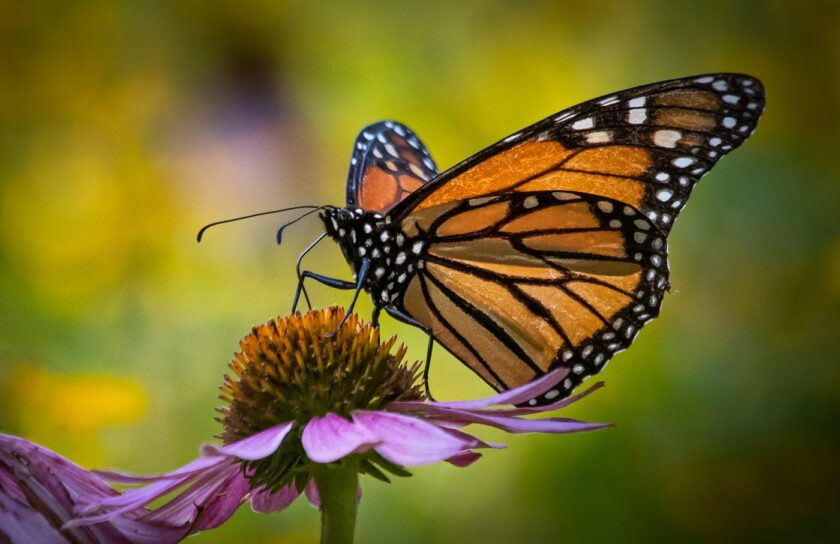
Monarch butterflies are another favorite sight. New Jersey serves as an important stop along the monarch’s remarkable migration route. The bright orange-and-black butterflies rely on milkweed plants to lay their eggs and feed their caterpillars. Conservation groups have encouraged homeowners to plant native milkweed and pollinator gardens to help support monarch populations, which have faced challenges from habitat loss and climate change.
Then there are ladybugs, the tiny red beetles often considered gardeners’ best friends. Far from being a nuisance, ladybugs are natural pest controllers, feeding on aphids and other insects that can damage flowers, vegetables and landscaping plants. A single ladybug can consume dozens of aphids in a day, making them a welcome guest in gardens throughout the state.
Bees and other pollinators also play a critical role in New Jersey’s ecosystem. Native bees, bumblebees and honeybees help pollinate fruits, vegetables and flowering plants, supporting both backyard gardens and the Garden State’s agricultural industry.
Surviving bug season
Whether they’re buzzing through a salt marsh, fluttering through a pollinator garden or burrowing beneath the soil, insects and other invertebrates are an inescapable part of summer in New Jersey.
Avoiding every insect encounter is impossible. The best defense is preparation: use insect repellent when appropriate, eliminate standing water around homes, wear protective clothing in wooded or marshy areas and keep an eye out for invasive species such as spotted lanternflies.
Understanding which species are beneficial, which are invasive and which require extra caution can help you better coexist with the creatures that emerge each summer. After all, we all love warm weather down the shore!