Over the years, I’ve written about many aspects of funeral service, but I haven’t addressed the most obvious question: Why would anyone choose to become a funeral director?
Everyone has a different story about how they entered the profession, and I’ll share mine in a future column. For now, let’s begin with what a funeral director does and why the role is so important.
A funeral director is a licensed professional who helps families plan, arrange and carry out funeral and memorial services. While many people think of funeral directors as event coordinators, the job extends far beyond logistics.
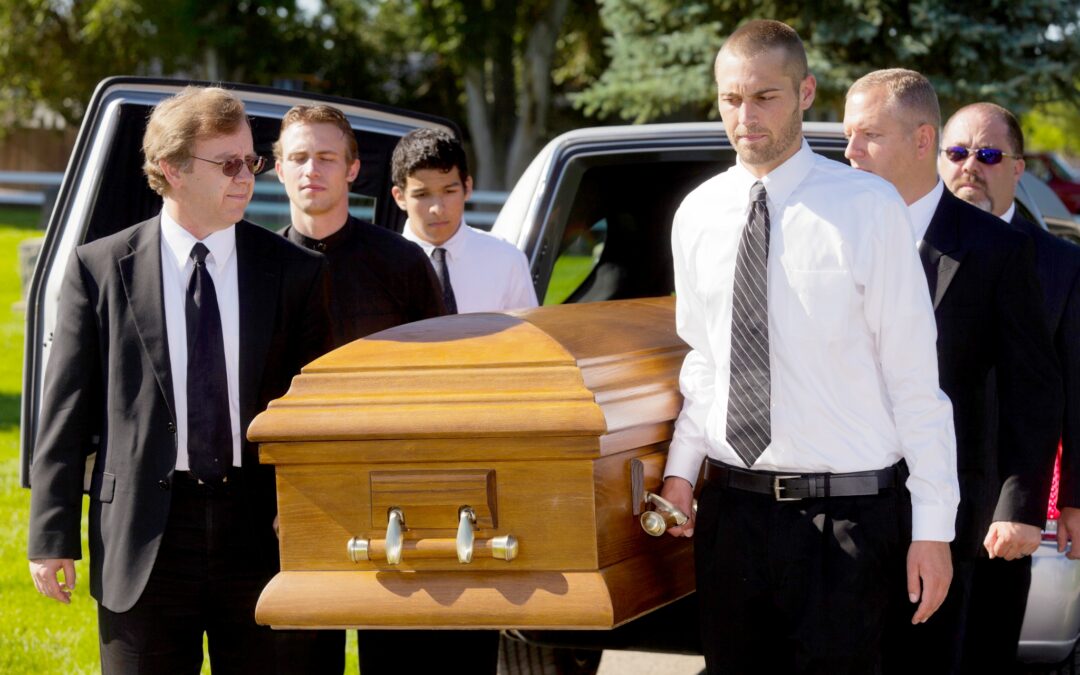
Funeral directors serve as advisers, helping families make important decisions during one of the most difficult times of their lives. They organize every aspect of the service, manage legal requirements and offer guidance, compassion and reassurance throughout the process. In many ways, funeral directors care for both the deceased and the living, ensuring each is treated with dignity and respect.
The responsibilities of a funeral director can be grouped into five primary areas.
First, funeral directors help families make informed decisions. They explain burial and cremation options, assist with selecting a casket or urn, and help families choose the type of service that best reflects their loved one’s wishes and values.
Second, they handle the legal and administrative responsibilities. This includes preparing death certificates, securing permits and coordinating with cemeteries, crematories and other agencies. Managing these details allows families to focus on grieving rather than navigating paperwork and regulations.
Third, funeral directors prepare and care for the deceased. Whether through embalming, dressing or cosmetic restoration, they strive to ensure each person is treated with dignity and respect. For many families, viewing their loved one one final time can be an important step in the grieving process.
Fourth, funeral directors coordinate the service itself. They work closely with families to create meaningful ceremonies that reflect personal beliefs, traditions and values. They also oversee scheduling, transportation, clergy, musicians and other details to ensure everything runs smoothly.
Finally, funeral directors provide emotional support. They listen, answer questions and guide families through unfamiliar decisions while offering compassion and understanding. Success in this profession is measured not only by organization but also by the ability to help families feel heard, respected and supported. Compassion is what transforms a funeral service into a meaningful tribute.
Funeral service is not for everyone. The profession deals daily with death, grief and loss, making it emotionally demanding. At the same time, it can be one of the most rewarding careers a person can choose.
One of the greatest rewards is helping people during some of the most difficult moments of their lives. Funeral directors ease the burden of planning services, guide families through challenging decisions and help them honor their loved ones with dignity. For many of us, knowing we have made a difference for a family in need provides a deep sense of purpose and fulfillment.
In my next column, I’ll take a closer look at both the rewards and the challenges of working in funeral service.
Andrew Hoffman is the funeral director at Jeffries & Keates Funeral Home in Northfield.