
The third part of a series
Music has a unique ability to evoke memories, bringing back moments spent with the deceased, sometimes more than words can accomplish. This can be especially comforting during a funeral, where specific songs can recall the personality of a loved one.
We have gone over a brief history of funeral music through the ages of human existence. I am now going to touch on the values of music in funerals from the different aspects of societal norms and the human psyche. Music has a role in our culture with emotional expression. For many, expressing feelings of grief verbally can be challenging. Music offers an alternative means to articulate emotions and thoughts that might otherwise remain unspoken. Songs played during a funeral can resonate with the mourners, allowing them to express their sorrow and find a shared sense of loss. The melodies and lyrics can help release emotions, fostering therapeutic release.
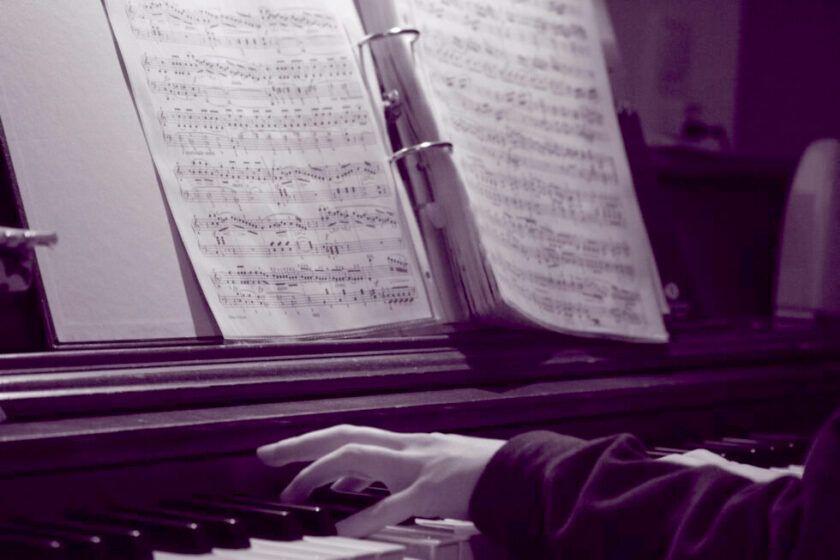
Funeral music helps to recall memories and build human connection. Music has a unique ability to evoke memories, bringing back moments spent with the loved one. This can be especially comforting during a funeral, where specific songs can recall the personality and preferences of the loved one. Whether it is a favorite song or a tune that holds special meaning, these musical pieces become a powerful tool for remembering and honoring the deceased’s life.
Music itself can be the universal language of mourning. Across cultures, music serves as an all-embracing language that encapsulates the essence of mourning. From somber melodies to uplifting hymns, the variety of funeral music available allows families to tailor the atmosphere of the service to reflect the life and spirit of their loved one. This customization makes the funeral service not only a reflection but also a celebration of a life well lived.
Andrew B. Hoffman is a funeral director at Jeffries and Keates and Keates-Plum Funeral Homes. He is a twenty-two year veteran of the funeral industry.