
Letter from the editor
The ocean has always been my refuge — a place of joy, peace, adventure and some of my most treasured memories. Whether it’s an early morning walk along the shoreline, the sound of waves breaking on the beach or a day spent with family in the sun, the sea has always held a special place in my heart.
But as beautiful as the ocean is, it is also powerful, unpredictable and, at times, deadly.
The recent rescues and tragic loss of swimmers along our coast serve as a sobering reminder that the ocean’s power should never be underestimated.
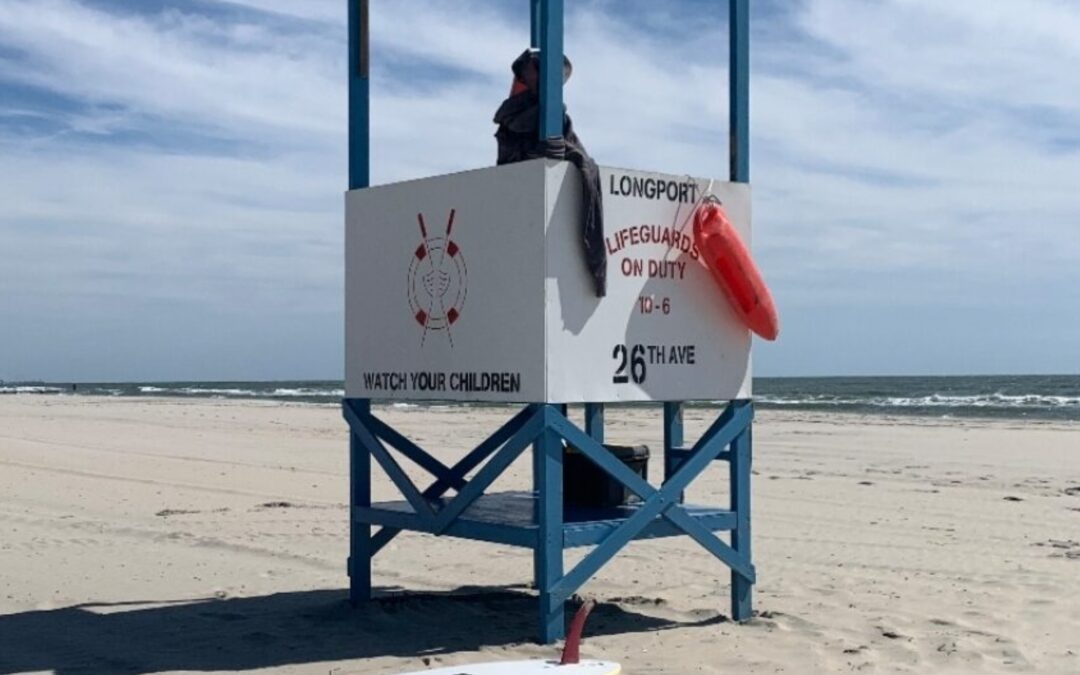
For your safety and the safety of your loved ones, it is critical to only enter the water in front of a lifeguard.
It only takes a second for an enjoyable experience to turn into a crisis.
That’s what happened to me when I was just 8 years old. I was on one of those rectangular inflatable rafts that were popular in the ’70s. My older brother was tasked with keeping an eye on me, but in an instant I began floating farther and farther from the shoreline. Panic began to set in.
Then I saw the lifeguards coming. Calm, confident and reassuring, they quickly reached me and guided me safely back to shore. That day I learned two lessons that have stayed with me for 50 years: The ocean can be dangerous, and lifeguards save lives.
Those lessons were reinforced again this winter when I was visiting a beach in Florida and got caught in a rip current. Within moments, I was pulled far from shore. Fortunately, this time, I knew what to do — stay calm, resist the urge to swim directly against the current and, instead, swim parallel to the shoreline.
Eventually, I made my way back — exhausted but safe.
As I trudged out of the water, two lifeguards were entering the water to assist me. They had already spotted the danger and were moving in to help before I even recognized it.
That’s what lifeguards do.
They study the ocean. They watch the waves, tides and currents. They recognize hazards that most beachgoers never notice. They often know when someone is in trouble before that person knows it themselves.
That’s why the whistles, warning flags and directions from beach patrols are not suggestions. They are safety measures designed to protect lives.
As we head deeper into the summer season, it’s worth remembering a few important rip current safety tips:
Swim only on guarded beaches and stay within designated swimming areas.
If caught in a rip current, do not panic or try to swim directly back to shore against the current.
Swim parallel to the shoreline until you are out of the current, then angle back toward shore.
If you become tired, float or tread water and signal for help.
If you see someone in trouble, alert a lifeguard immediately. Do not attempt a rescue unless you are trained to do so.
The ocean gives us so much — family traditions, laughter, adventure and lifelong memories. But it demands our respect in return.
Listen to the lifeguards. Pay attention to the flags. Know the conditions before entering the water. And when you see those men and women standing watch along our beaches, take a moment to thank them.
Their vigilance is what allows so many of our happiest Shore memories to remain just that — happy memories.
Our thoughts and prayers go out to the families of the missing swimmers and the first responders who work tirelessly to assist.
Peace & Love, Cindy