
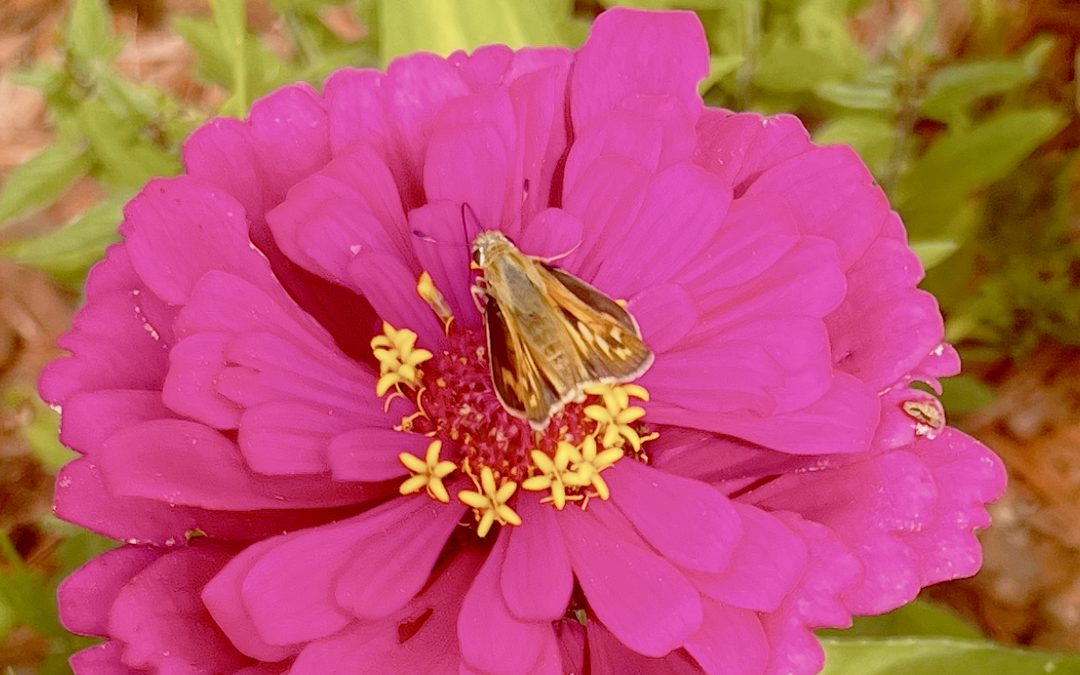
If you are looking for colorful flowers that can stand up to the heat of South Jersey summers, zinnia flowers will beautifully exceed your expectations. These powerhouse annuals will bloom from late June into fall, only stopping when the first frost hits. Coming in practically every color but blue, zinnias will attract bees, birds, and butterflies, making them the perfect addition to your pollinator garden. Zinnias thrive in full sun (at least six hours per day) and well-drained soil, but do not like the cold.
While some plants can be frustrating to grow from seed, zinnias will help build your confidence. They are easy-to-grow flowers that can be planted by seed directly into the soil in spring. Wait until all danger of frost is over and the soil has warmed. You can get a jump start on the season by starting them indoors in early spring before the last frost. But they do not love to be transplanted once their roots develop, which is why direct sowing is preferable.
Zinnias make excellent cut flowers, lasting in a vase of water for about seven to ten days. Cut the flowers from your garden in the morning when they are the most hydrated. Choose flowers with sturdy stems as opposed to those that are floppy and still immature. When you cut the flowers, aim for long stems and cut just above a lower set of leaves. This will give you long, sturdy stems for your arrangement. Effectively, you will also be pruning the plant above a leaf node, resulting in a bushier plant with more flowers. Just like other cut flowers, you should remove any leaves that will be below the water line in your vase. Isn’t it wonderful that cutting your flowers to enjoy indoors or to give to a friend results in even more flowers?
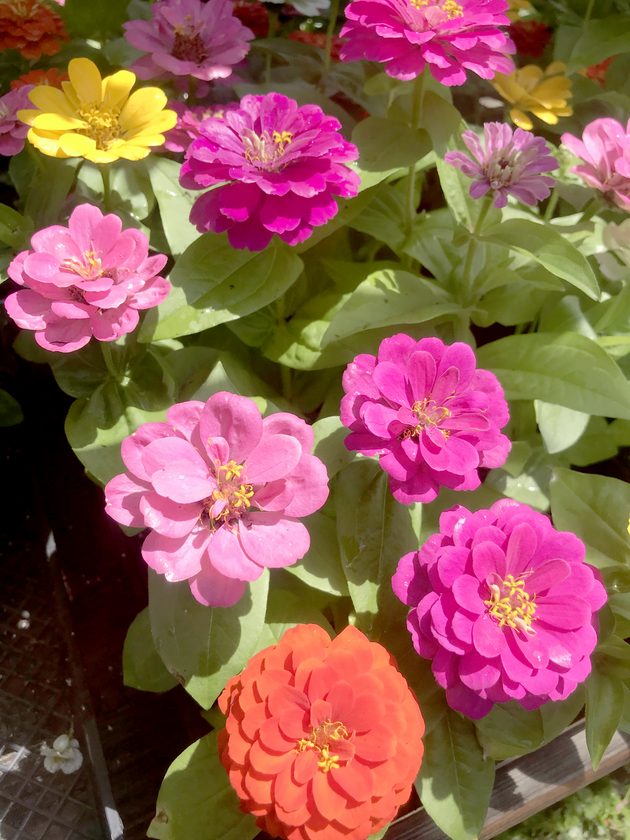
This time of year, your zinnias will be susceptible to powdery mildew. To help prevent the spread of these spores, keep the plants spaced apart enough to allow proper airflow, since powdery mildew thrives in humid conditions. Prune if necessary to thin them out. When watering your zinnias, water at the base of the plant near the soil to keep foliage dry. Water early in the morning so that the leaves can dry in the sun. Prune away diseased parts of the plant, and clean your shears or pruners between cuts. Make a mental note to choose zinnia plants that are bred for mildew resistance for next year.
In addition to cutting flowers for your own enjoyment, you will want to deadhead spent flowers. Zinnias are annuals, and once the flower matures, it will go into seed-producing mode and stop flowering. By continuously cutting the flowers, you can prolong blooming time. Eventually, you will want to stop cutting to allow some of the flowers to go to seed. This will provide you with a treasure trove of seeds for next year. To collect seeds, allow the seed head to completely turn brown and dry out. At this point, you might forget what color the flower was. Tie a string or ribbon around the stem in the same color as a little reminder. Once the seed heads are fully dry, break them apart to separate the seeds, and store them in a dry, breathable container, such as a paper bag or envelope. Be sure to label the color and type of seeds that you have saved. Besides saving seed heads for yourself, leave a few for our feathered friends, since certain birds such as goldfinches will enjoy plucking out the seeds.
If you would like more information about zinnias or have other garden questions, send your requests to: shorelocalgardener@gmail.com.
Tammy Thornton lives with her husband, children, and crazy pets while enjoying a life of gardening, cooking, and going to the beach.