
Whether you are a newbie gardener who wants to find ways to stock your garden or a seasoned gardener looking for variety, plant swaps are a fun way to fill your garden. Over the years, I have discovered interesting new plants through exchanges, and often made a new friend along the way as well. Trading plants with others is also a no-cost and fairly risk-free way to experiment with new plants in your garden or home. However, you should keep a few things in mind when exchanging plants with others.
If possible, find out the exact name or type of plant that you are receiving and clearly label any plants that you are giving. The specific needs of plants can vary widely based on the particular cultivar. While “a rose is a rose is a rose,” you may have received a climbing rose, a rambling rose, or a hybrid tea, and the requirements to care for your new plant will change based on the particular plant. Find out if your new plant baby likes full sun or part shade, needs frequent fertilization, is always thirsty, or prefers to be ignored. Chances are, if someone is offering you one of their plants, they have many to share and know the preferences to keep it happy. This leads us to a word of caution.
When someone eagerly gives plants away because they have a surplus, this might be a sign that the plant is aggressive or invasive. If a gardener is offering you English ivy, they might not be your friend. You do not want to introduce a plant into your garden that will grow so aggressively that it will devour your existing garden. Do a little homework before accepting a new plant to make sure it isn’t invasive. Certain plants may not be invasive, but they might be avid spreaders, either through runners or by dropping seed. This does not automatically disqualify them as a trade, but learn how to keep these plants in check. Mint can take over a garden, but it tastes great in tabbouleh. Simply plant your mint in its own pot to keep it contained, and don’t let the leaves or roots touch the ground. Plants that aggressively spread by seed can be deadheaded before they set seed. Beware of hitchhikers! Your friend may not have intended to give you an aggressive plant, but it might have been in the soil when they shared something else. Not all hitchhikers are dangerous, though. I have received untended lilies and bluebells because the bulbs were in the mound of some other plant that was shared with me, and they look beautiful in my garden.
Extra plants might not be the only stowaways in the soil of plants you receive. The soil from another gardener may be harboring pests. An old friend came to visit and brought me a potted houseplant that she had started for me from her own collection. Little did either of us know at the time that she was introducing me to the dreaded fungus gnat. It took me almost a month to eradicate these from our home. When taking in a new plant, inspect it thoroughly and check the soil for unwanted pests. Especially if it is a houseplant, quarantine it for a couple of weeks, checking it regularly. If there is a problem that needs to be treated, you will want to isolate the situation before it spreads to your other plants.
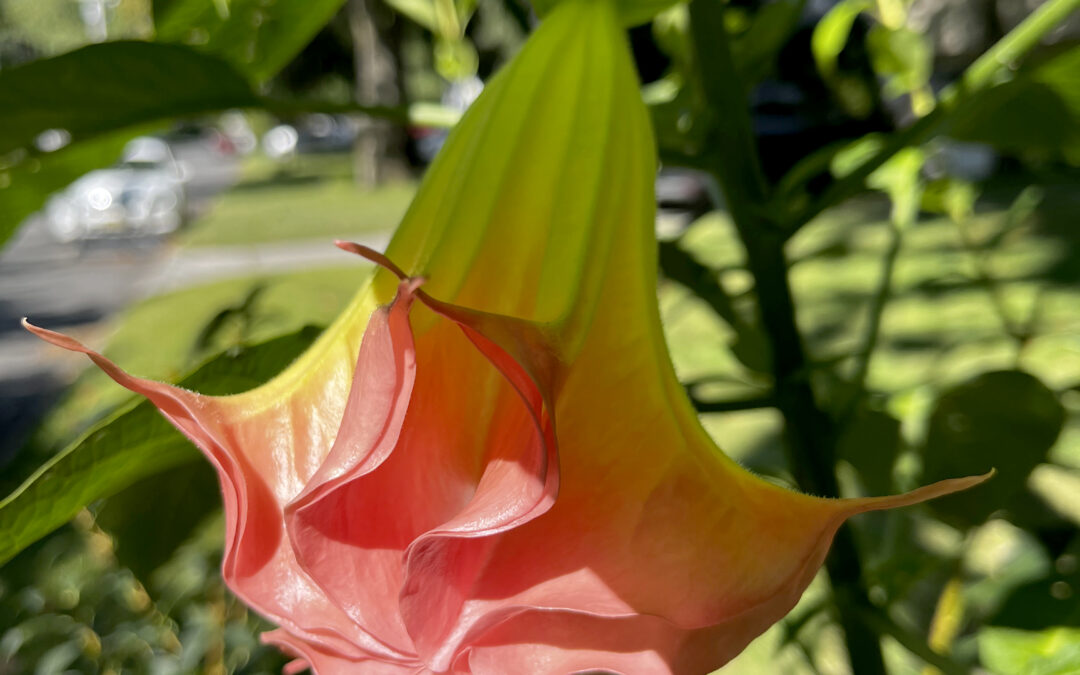
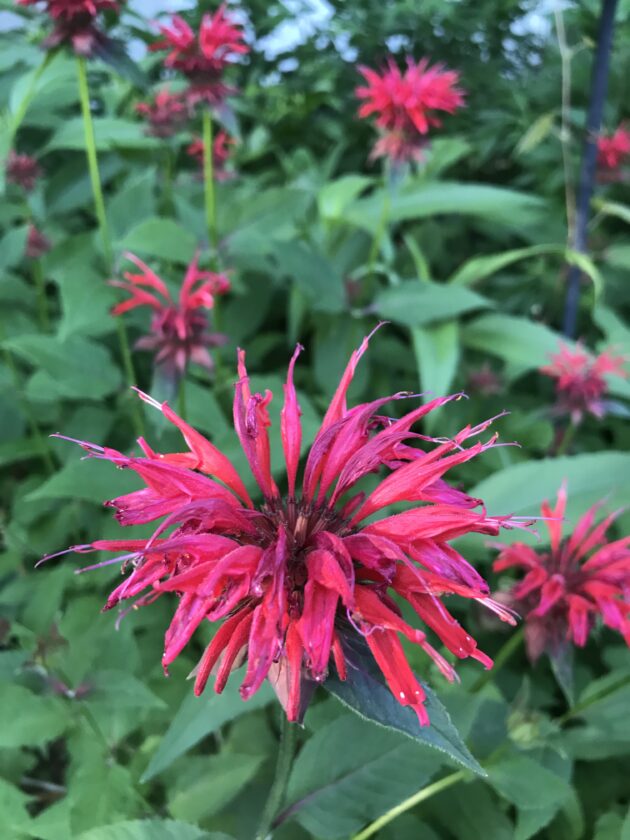
Before you get discouraged, these are only precautions to take before leaping into a plant swap. So don’t let these warnings scare you off. I have had a blast both giving and receiving plants. One year, I overwintered the “sticks” of angel’s trumpet (Brugmansia). I traded a fellow gardener for bee balm, and we were both excited about the trade. Once spring arrived, I happily planted my starts for this amazing plant. Fortunately, we kept in touch, and when my plant didn’t bloom, she gave me some extra tips to help. The exotic flowers were among the most beautiful I have seen, and the scent was intoxicating. We bumped into each other again, when her garden was on a tour, and the bee balm was happily blooming in her garden. In the past two years at my garden club, I have been the proud recipient of plants such as jade, fiddle-leaf fig, and lyreleaf sage. My garden is filled with plants that have been received as trades or gifts from the gardens of others through the years. In turn, I have been able to give away plants such as ferns, sundrops, and milkweed.
Gardeners are often eager for a plant swap. You can reach out to Facebook garden groups or join a local garden club. Ask your green-thumbed friends to help you get started. Trading plants can fill blank spots in your garden or provide diversity to your own private ecosystem. We would love to hear about your favorite swaps. Send your trading tales to shorelocalgardener@gmail.com.