Drink Up!
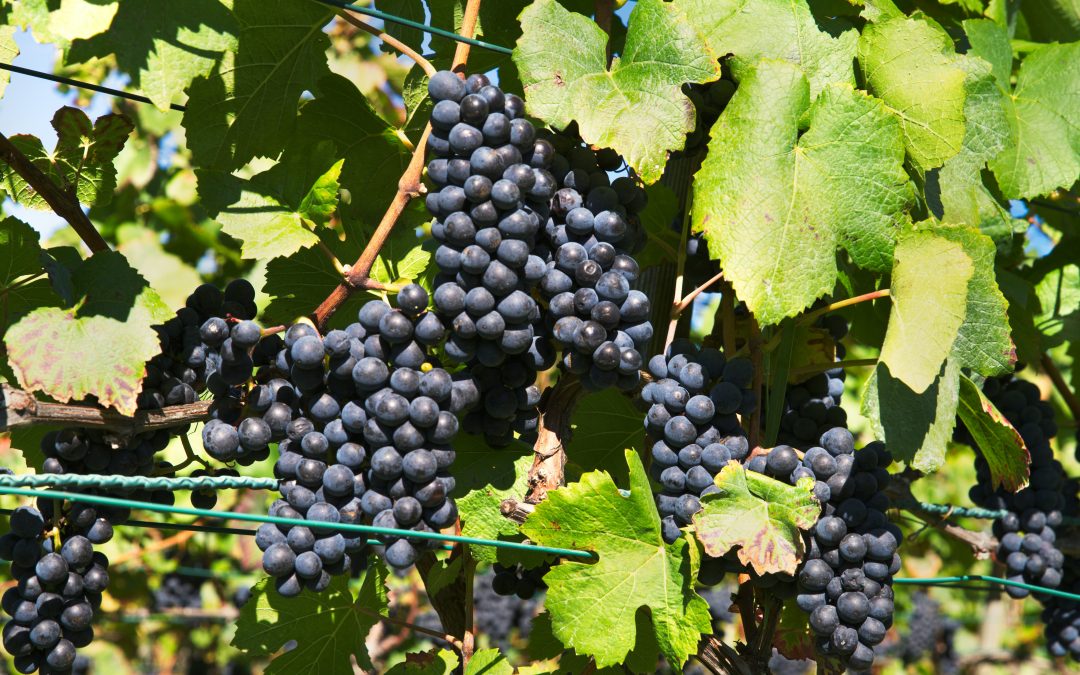
Happy harvest! Le vendange 2026 est arrivé! (“Vendange” is the French word for the wine harvest season). For most of the Northern Hemisphere, this can be as early as late August or as late as the end of October. It varies by region and varietal. In parts of California, this season can even extend into early November. Global temperatures this summer in many wine-growing countries, including Italy and France, have resulted in some of the earliest grape harvests in recorded history. Regardless of location, we are in the midst of the wine-grape harvest season now. To celebrate the harvest, this article looks at a segment of the industry that is becoming increasingly popular: organic, biodynamic, sustainably farmed and natural wines.
The term “organic” has been popular for decades. Simply put, organic wines are those produced with organically grown grapes, meaning they are grown without the use of synthetic chemicals, pesticides, or added sulfites. Non-chemical additives, including yeast, egg whites and rennet, a filtering agent, may be utilized by certified organic wine producers. The approved list of non-chemical additives varies from country to country. You may be familiar with the term “sulfites,” the sulfur dioxide (SO2) found in wines. Sulfites are present in many consumables, including cured meats, cheese, canned soup, dried fruit, French fries, etc. This compound naturally occurs in wine, so virtually all wine has some sulfites at low levels. In the United States, a wine is considered “organic” when it is made from organically grown grapes and contains no added sulfites. So, if sulfites, or other synthetic additives, are a concern for you, organic wines may be a good option. The Villarini wines from Sicily, Italy are great examples of excellent organic wines. They are available in the Villarini Nero D’Avola, and the Villarini Grillo. You will be amazed at the quality of these wines and the incredibly reasonable prices.
Sustainable agriculture practices have become more common in the wine industry. A sustainable certification requires the vineyard to use practices that conserve energy and water, and to promote the long-term health of the earth and the surrounding environment. Wine production takes a holistic corporate social responsibility approach to sustainability, following the three pillars of economy, society, and the environment. California is a leader through their statewide sustainability program, with about one-third of vineyards representing more than 85% of commercial wine production that is sustainably certified. J. Lohr Wineries is one of the many Golden State winemakers to earn this certification, with vineyards that produce the company’s very popular Arroyo Seco Monterey Chardonnay, the Falcon’s Perch Pinot Noir, the Paso Robles Merlot, and my favorite, the Tower Road Petite Sirah.
Biodynamic winemaking is a practice that incorporates aspects of organic and sustainable agriculture, and more. The philosophy behind biodynamic winemaking goes back a hundred years to an Austrian philosopher named Rudolph Steiner. Mike Benzinger, of Benzinger Family Vineyards in Sonoma, California, says, “At its core, biodynamics is an energy management system.” Biodynamics works on a calendar of activities that include fruit days, root days, flower days, and leaf days. Prescribed viticultural activities, including everything from watering to harvesting, are allowed or forbidden depending on the day’s classification. Montinore Estates in Oregon has been practicing biodynamics since the early 2000s and received the Biodynamic Certification in 2008. The winery states that these practices are the most complete approach to land stewardship and the highest level of ethical farming practices in the industry. Montinore produces outstanding certified biodynamic and organic wines including its Borealis Pinot Noir, Red Cap Pinot Noir, and Pinot Noir Reserve.
What are natural wines? The principal philosophy of natural wine is summed up in two words: minimal intervention. Grapes are allowed to grow and mature naturally in the vineyard, with no chemical pesticides, herbicides, or fertilizers. Organic farming practices are used, and many producers have also adopted the biodynamic approach to vineyard management. Spontaneous fermentation is employed, utilizing only the yeast present on the grapes and in the environment, rather than using commercial yeast. Minimal or no sulfites are added to natural wine. Also, natural wine producers do not add sugar or other additives to enhance the flavor, color, or texture of the wine. Finally, many natural wine producers do not filter the wine to clarify it. As a result, many natural wines appear cloudy. The goal of natural winemakers is to allow the grapes and the wine made to express the terroir of the vineyard.
Although they have been produced for more than 8,000 years, orange or amber wines have become more popular in recent years. Christine Orange is a natural orange wine from Austria, made primarily from the Chardonnay and Sauvignon Blanc grapes. Winemaker Christina Nitzl has produced a very enjoyable wine with notes of tangerine, apricot, and peach, with a touch of white pepper and a notable minerality. This wine pairs well with curried Thai dishes, grilled fish or chicken, as well as shellfish.
Field Recordings Super Gnario 2024 Red Blend wonderful natural wine from Santa Barbara, California. Founder and winemaker Andrew Jones created a unique blend of Nebbiolo, Barbera, Legrein, and Montepulciano. This awesome wine is fermented for 45 days with native yeast and aged 10 months in French oak barrels. You will taste rich, dark cherry fruit with notes of spices. This wine is great with mushroom risotto, burgers, or classic Italian dishes with red or brown sauce.
Coralie et Damien Delecheneau’s Ad Libitum is a natural red wine from the Touraine appellation of the Loire Valley in France. This is a blend of estate-grown Côt (the name used for Malbec in that region of France), Gamay, and Cabernet Franc from their family-owned-and-operated vineyards. This is classic red wine of this wonderful region of France and features the fruit taste of bright red grapes and a subtle earthiness. This is the ideal harvest season wine and earns my top pick for the season. Autumn is grilling season, and this wine is perfect with everything from grilled vegetables to steak to ribs. The name means “at one’s pleasure,” and is the Latin that brought us the word “ad lib.” Open a bottle and ad-lib.
As always, contact me with any questions or comments at dsetley@passionvines.com. Until next time, happy vendange and happy wining!