
Drink Up!
A few weeks ago, I discussed lighter-bodied reds to help us ease into cooler weather. As many of us begin turning on our heaters, it feels right to transition to fuller-bodied reds.
In the world of wine, Spanish wines are among the greatest values. Although many people are familiar with Rioja wines made largely from the tempranillo grape, I would like to explore some lesser-known wines and grapes from the Catalonia, Castilla-La Mancha and Murcia regions of Spain.
Near Barcelona in northeastern Spain is the wine region of Catalonia. Two of its most significant appellations are Penedès and Priorat.
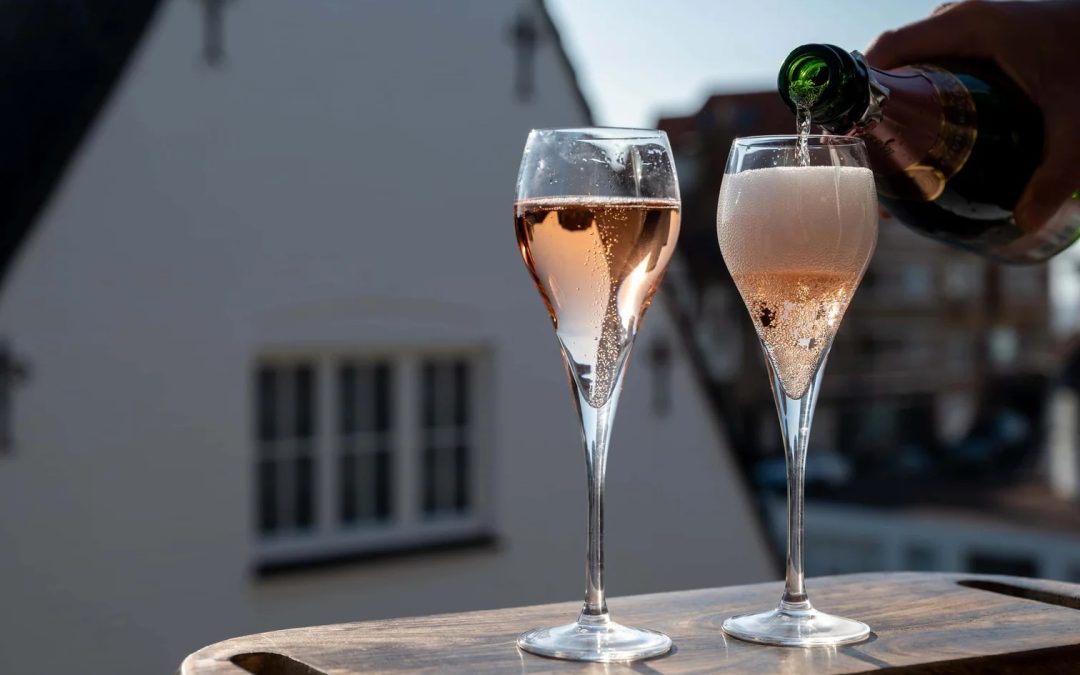
Cava, the famous Spanish sparkling wine, is produced primarily in Penedès. I know, I know — I said fuller-bodied reds in the introduction. But Cava cannot be overlooked when discussing Catalonia.
Cava is to Spain what prosecco is to Italy and Champagne is to France. Like Champagne, Cava undergoes a secondary fermentation, which creates the bubbles, using a process called the méthode traditionnelle.
Cava is made from grapes native to the region, including macabeu, xarel-lo and parellada. It is wonderful on its own or paired with tapas and desserts. The wine is dry, light-bodied, highly acidic and, of course, delightfully effervescent.
I find Cava slightly drier than most prosecco, with a light floral aroma and hints of almond. It is also considerably less expensive than Champagne.
Naveran Brut Cava is made from organically grown grapes and is vegan-friendly. You could also try my favorite, Roger Goulart Gran Reserva Cava. This wine is aged for a minimum of six years, giving it the rich aroma and flavor that careful aging can produce.
Now, on to the reds.
Priorat is one of Catalonia’s premier wine regions. I like to say Priorat is to garnacha what Chianti Classico is to sangiovese. Many people know garnacha by its French name, grenache. Priorat is arguably one of the finest regions for growing this outstanding Spanish variety.
As with other Old World wine regions, the grape’s name rarely appears on a Priorat label. Rest assured, however, that garnacha is typically the dominant grape, often blended with carignan, syrah and occasionally cabernet sauvignon.
This dry, full-bodied red tends to be relatively high in alcohol, with flavors of blackberry, chocolate, licorice and leather. Try Clos de Tafall Priorat for a rich, bold wine with firm tannins. It is a blend of grenache, carignan and cabernet sauvignon with acidity that pairs well with beef, lamb, game and grilled foods.
Farther south, several regions produce distinctive wines at affordable prices.
Castilla-La Mancha offers outstanding bargains, including wines made from garnacha. Garnacha wines from this region are dark red and tend to be bolder than some other Spanish reds. The aroma is fruity and floral, while the palate is dry, with flavors of dark red fruit, vanilla, baking spices and leather.
Several wonderful garnacha wines are reasonably priced. Try Gulp Hablo Garnacha, Lurra Garnacha or Bodegas Breca Breca. My favorite is Evodia Old Vines Garnacha. It has earned strong scores from several wine publications and remains a great value.
These wines pair well with roasted or grilled white and red meats, game, casseroles and stews.
The Murcia region, home to the historic port city of Cartagena, also has a long and fascinating past. Cartagena played a major role in shipping and trade during the Roman Empire, particularly in olive oil, spices and silver. Evidence of its Roman history continues to be discovered. In 1988, the ruins of a Roman theater were found during an excavation.
Jumilla, another wine region in Murcia, is known as the birthplace of monastrell. Monastrell is the Spanish name for the mourvèdre grape grown in France. Nearly 80% of the wine produced in Jumilla is made from monastrell.
This variety offers fruit flavors similar to garnacha, with added layers of earth, smoke, tobacco and chocolate. In France and Spain, it is also used in blends to add flavor and complexity, often alongside garnacha or syrah.
Altos de Luzón Monastrell is an excellent example of a wine made entirely from organically grown monastrell grapes, and it is available at a reasonable price. This well-balanced wine pairs perfectly with paella, tacos or anything else you enjoy with a full-bodied red.
You could also try Juan Gil Silver Label. With its deep red color and aromas of plum, blackberry, earth and oak, it is my favorite example of the monastrell variety. The wine offers flavors of dark fruit and spice with noticeable earthy tones. Its quality-to-price ratio is remarkable.
For a monastrell that shares the stage with other varieties, try Juan Gil Blue Label. The winemaker blends monastrell, cabernet sauvignon and syrah to produce an elegant wine. It is rich, smooth and complex and pairs well with roasted meat served with a rich brown sauce.
I hope this article has whetted your appetite to try some Spanish wines that may be new to you. Until next time, feel free to contact me with questions at dsetley@passionvines.com or stop by the store.
Happy wining!
David Setley is enjoying his retirement from higher education as a wine educator and certified sommelier at Passion Vines in Somers Point, New Jersey.