Drink Up!
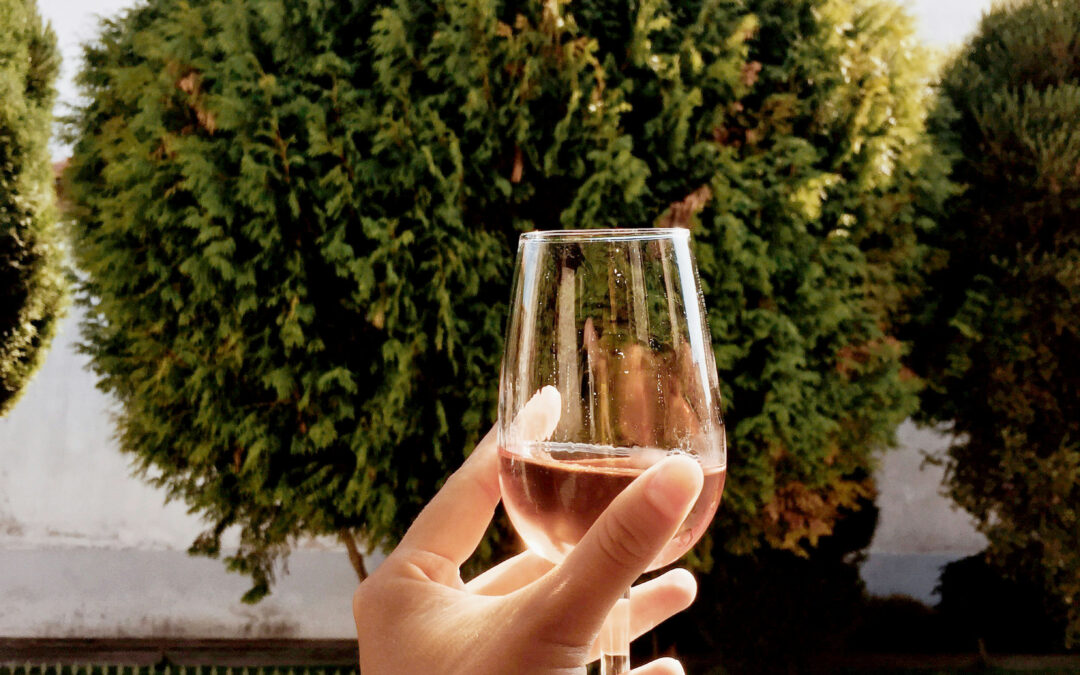
It’s June, it’s getting warmer, and rosés are in full bloom! Rosé wines have had a resurgence of popularity in recent years, particularly during the warmer months. Based on current wine statistics reported by MDPI, an industry research journal, one of every ten bottles of wine sold worldwide is a rosé. You may be surprised to know that rosés are arguably more complicated to create than either white or red wines. Read on to be in the know and ready to enjoy these pink wines.
There are generally two ways that rosé wines are made: the blending method and the limited maceration method. The least common method is the blending method, which takes already fermented red and white wines and, as the name suggests, blends them to make what we visually recognize as a pink rosé wine. The blending method is forbidden by most European wine-regulating organizations if the winemaker wishes for their rosé to be regionally certified. The exception is the Champagne region of France, where the blending method is quite common. There are no regulations prohibiting the blending method in the majority of New World wine regions. However, most rosés that we enjoy are produced using the limited maceration method.
In red wine production, maceration is when grape skins, seeds, and possibly stems are allowed to remain in contact with the grape juice after crushing. The maceration period varies depending on the grape varietal, the requirements and traditions of the wine region, the level of tannins desired, and the length of aging desired by the winemaker. It can be as little as four days, as long as 50 days, or even longer in some extended-maceration styles of wine such as Barolos. In white wine production, the skins are removed immediately after crushing. In the case of rosé wines, the winemaker allows the skins to remain in contact with the juice for a limited time, generally anywhere from a few hours to a few days. The result is the pink hue that we know and love. As you have likely noticed, some rosés are darker pink while others are quite pale. This variation may be attributed to the length of the maceration and the varietal of red grapes used in skin contact.
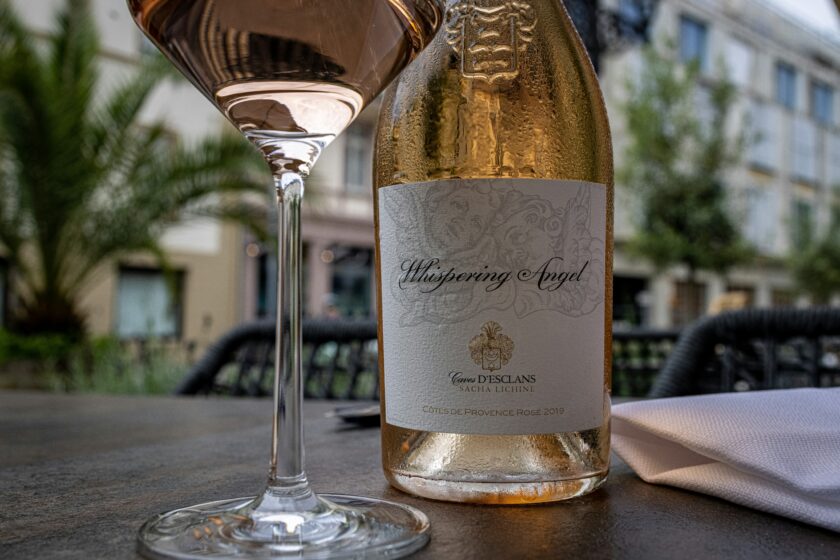
Rosé wines are produced in almost every wine country in the world. France continues to be the dominant producer, with a market share above 60%. Many French wine regions produce rosés, with Provence being the clear leader. Rosés from Provence tend to be made from a blend of Grenache, Cinsault, Syrah, and a few lesser-known varietals. Provence-style rosés are typically light in both color and flavor. Whispering Angel and Miraval are two very popular examples, both of which are quite good. However, my choice from this region is the Avaline Rosé Wine. Avaline Rosé is light and fresh with notes of melon and citrus zest. All Avaline wines are made from organic grapes and are free from unnecessary additives such as sugars, colors, and added sulfites. Avaline wines are vegan-friendly, non-GMO, and gluten-free. This wine pairs perfectly with charcuterie, chicken, and seafood. I also love this rosé with sushi, spicier Indian food or Chinese foods.
Another French recommendation is the Domaine Jaume Côtes du Rhône Rosé. Côtes du Rhône is a major wine region in southeast France. I believe the wines of this region are undervalued, but as a result, the quality-to-price ratio is very high. A unique element of the terroir of the Rhône is the mistral wind. The winds in this region are fierce and frequently reach 60 mph. This wind cools the grapes from the intense sunshine, reducing moisture that can cause mildew or mold. The Domaine Jaume Côtes du Rhône Rosé is made of the primary grapes of the region, Grenache and Syrah. This well-structured, medium- to full-bodied rosé has the sweet aroma of strawberries and crisp cherries. But don’t be deceived! The wine is very dry. The palate features light fruit flavors with excellent minerality. If you are looking for a new rosé to try, this one gets my highest recommendation. I love it with Asian dishes, sushi, and spicy Indian food.
Italy is also exceptional in the world of rosés. From the Piedmont region in the north comes the Proprieta Sperino Rosa del Rosa, made from the Nebbiolo grape. Nebbiolo is also used in producing Barolo, a wine affectionately known as “the king of wines and the wine of kings.” The Rosa del Rosa 2022 has a beautiful balance of acidity and dryness, as well as fruitiness and minerality. It is a perfect pairing for grilled salmon or tuna.
What about the Iberian Peninsula of Spain and Portugal? Try the Zillamina Rosé from the town of Alicante in Valencia, Spain. This wine is made from the Monestrell grape, which dominates the region. The color is medium pink, and the taste is fresh with aromas of strawberries and red plum. The palate is dry, crisp, and bright, with notes of red raspberries and a pleasant stone minerality. It is a classic “rosé all day” wine and is perfect for seafood, charcuterie, or an afternoon of sitting on the porch.
From Portugal comes a wonderful sparkling rosé: the Sidónio de Sousa Brut Nature Rosé Sparkling. This wine is made of 100% Baga grapes grown less than 12 miles from the Atlantic coast. The palate is delicate, and persistent bubbles add to the silky, rich texture. You will taste bright acidity with notes of strawberry and red raspberry, complemented by the minerality of white pepper and sea mist. For those of us who enjoy sparkling wine all year long, give this a try.
My final recommendation comes from one of my favorite spots in the U.S., the Finger Lakes of New York. Lamoreaux Landing, a family-owned winery that produces several wonderful wines, is located on the eastern side of Seneca Lake. The Lamoreaux Landing Dry Rosé is arguably one of their finest and is made from 100% estate-grown Cabernet Franc grapes. This elegant wine is very dry with less than 0.6% residual sugar and features subtle aromas of ruby-red grapefruit with notes of bright, refreshing red raspberries and just a hint of lemon zest.
I hope this article whets your appetite for the wine you are likely already seeing spring up in your favorite wine store. As we head toward summer, stop and smell the roses, and then open and enjoy the rosés! As always, contact me with any questions at dsetley@passionvines.com, or stop into the store. Until next time, happy wining!
David Setley is enjoying his retirement from higher education as a wine educator and certified sommelier at Passion Vines in Somers Point, New Jersey.