
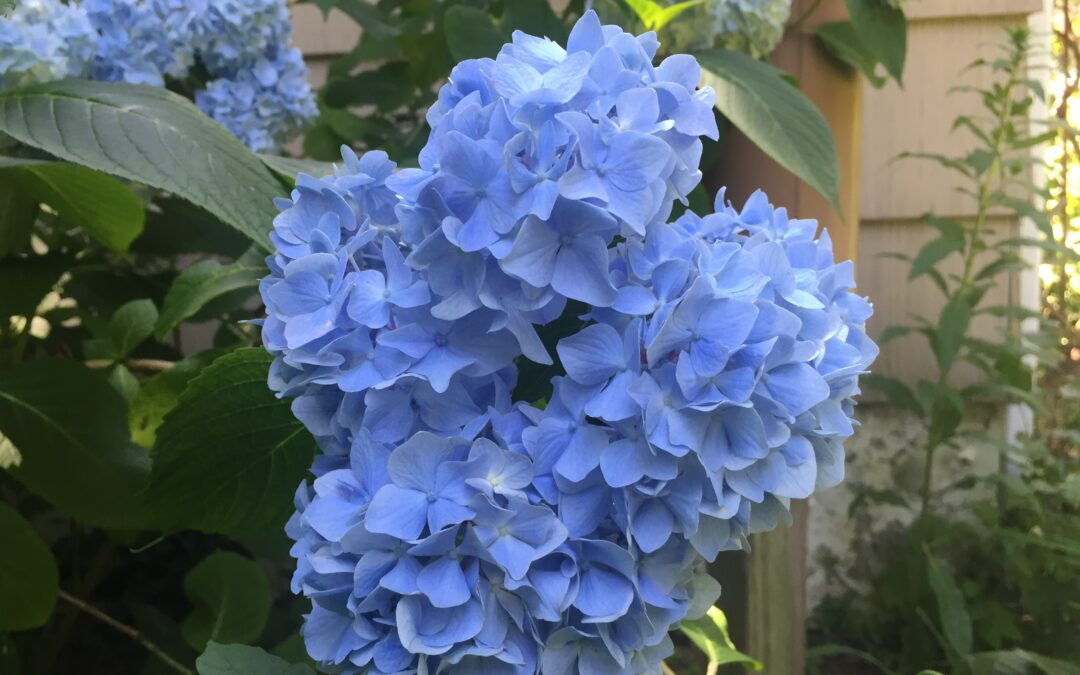
What an exciting time of year to be a gardener. After some hot days, rainy days, and cool nights, the garden seems to be growing before our eyes. Understandably, people are flocking to their garden center in hot pursuit of herbs, vegetables, and flowers. If you are new to gardening, you may want to keep a few things in mind before you start digging holes for that carload of plants you just bought. In fact, you should do a little homework before you head to the garden nursery. A small bit of pre-planning can help improve the chances that your new plants will thrive in your garden.
When you go out to the garden with your morning coffee, observe where the sun is brightest. Then take another look in the afternoon. Most plants need a little bit of sun, even those that prefer part-shade. Morning sun will be best for part-shade plants. But if you only visit your garden during one part of the day, you won’t get a clear picture of what your plant will experience. By afternoon, what seemed to be your “sunny section” might be completely shady. And the “shady” section from the morning might be blazing in the afternoon. Save your heat-loving, sun-loving plants for this afternoon sun. Those sections of your yard are really going to heat up once summer arrives. This week gave us a little taste of what summer will feel like in the garden. While part-shade plants might be OK in full sun in the spring, they will start panting and wilt in summer. For a full (afternoon) sun garden, some great choices for flowers are coneflowers, portulaca, sunflowers, lavender, rosemary, yarrow, zinnias, and lantana. In the vegetable and herb department, full-sun lovers are tomatoes, basil, zucchini, okra, peppers, and cucumbers.
Once summer sets in, watering becomes important. Make sure you are giving your plants a deep watering, ideally in the morning. If you water your plants frequently, but it is just shallow watering, the water will quickly evaporate and you haven’t really given your plants what they need. Many times, after a rain or after I have watered my plants, I thought they had received sufficient water. But when I poked my finger into the soil, I was surprised to discover that only the very top layer was wet. Water deeply, and you won’t need to do it as frequently. A thick layer of mulch can also help protect roots from the heat of summer (and the cold of winter). A windy day can also dry out a plant as quickly as a hot day. Hanging baskets and potted plants will dry out more quickly than those in the ground, and unpainted pots and terra-cotta pots will also dry out faster than painted or coated ceramic pots. Even so, make sure your containers have drainage holes, because most plants do not want to have their “feet wet,” which could lead to rot. Rosemary and lavender are especially sensitive to overwatering, so they do best in terra-cotta pots that are well-drained and dry out quickly.
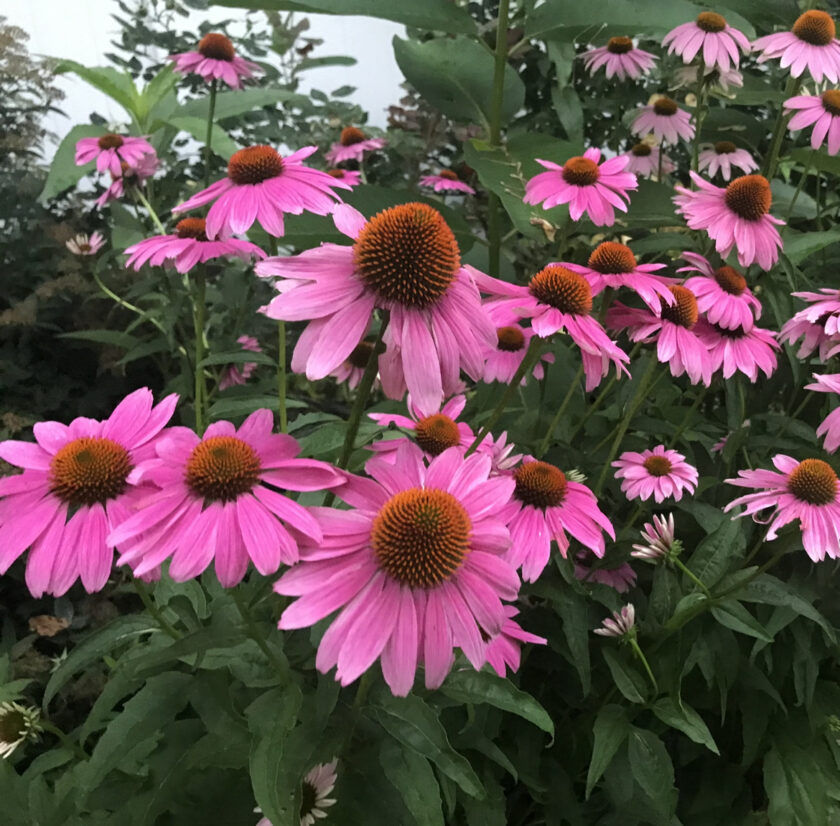
During those inevitable South Jersey heat waves, even the heat-loving plants are going to need a breather. When temperatures hit the 90s, you may notice that your flowers have fewer blooms and your vegetables will stop producing as well. This is their way of taking a little siesta to preserve energy. Hopefully, they will make it through these dog days of summer, and you will see a new burst of energy once the temperatures cool down a bit. At least some parts of your plant may get fried during these hot spells. Be sure to remove any brown, dry, shrivelled sections, as these injured and dying parts will also drain the plant’s energy as it attempts to self-heal.
For a shady garden or morning sun section of your garden, hydrangeas, hostas, impatiens, ferns, Solomon’s seal, astilbe, Brunnera, coral bells, and bleeding heart will do best in part-sun and morning sun. For vegetables that prefer part-shade, you can grow lettuce, spinach, radishes, kale, bok choy, and beets. Most of these are considered cool-season plants that will do best in spring. You can grow them in summer, but once they get too hot, these types of plants will go into preservation mode. They will bolt, meaning they will start producing seeds. You will recognize this because many of these plants will start to produce flowers (which would be followed by seeds). You can keep these types of plants trimmed to prolong their time, but once they throw in the towel and produce flowers, their days are numbered. Fortunately, the flowers are edible and pretty. I have had kale produce pretty little yellow flowers that lasted a long time, and they were quite tasty. You can add them to stir fry or salads, or use them as an edible embellishment.
When you are shopping for new plants, be sure to read the plant tag. This will give you a lot of information about the best way to care for your plants. You can also ask your friends at the garden nursery; they can provide great information as well. You can also send your questions to the shorelocagardener@gmail.com. I would love to hear from you.
Tammy Thornton lives with her husband, children, and crazy pets while enjoying a life of gardening, cooking, and going to the beach.