
There’s a good chance you know someone on Ozempic or Wegovy. Maybe it’s a neighbor, a coworker, or even you. These GLP-1 medications have become part of daily life in our country. They are prescribed for weight loss and blood sugar control, but new research is raising an intriguing possibility: these drugs might also be slowing down the aging process itself.
A study published in the journal Nature Communications followed adults taking semaglutide, the active ingredient in Ozempic and Wegovy, over thirty-two weeks. Researchers used a set of biological tools called epigenetic clocks, which read chemical markers on our DNA to estimate how fast our cells are actually aging, regardless of the number of candles on our birthday cake. The people taking semaglutide showed a slower pace of biological aging overall, with the effect showing up in the blood, brain, heart, kidneys, and liver. Researchers estimate the medication slowed the aging process by about nine percent.
Why would a weight loss drug do this? The leading theory comes down to inflammation. Fat cells, especially the deep visceral fat around our midsection, produce inflammatory compounds that circulate through the body and are linked to heart disease, diabetes, and other conditions that speed up aging. Lose the fat, and you lose a lot of that inflammatory load. Semaglutide may also help steady blood sugar levels and influence which genes get turned on or off, both of which could play a role in the anti-aging effect.
It’s important to say this research is still early. The study involved adults living with HIV, a group that tends to experience accelerated aging, so we don’t yet know if the same benefits would show up in the general population. Still, it’s one more data point in a growing pile of evidence that these medications may do more than help us drop pounds.
That said, you don’t need a prescription to start working on your own longevity today. Here are a few of the everyday habits that continue to show up, study after study, as some of the best tools we have for living longer and living better.
Move your body daily. You don’t need a marathon. A brisk walk on the boardwalk, a bike ride along a park trail, or thirty minutes in a fitness class all count. Movement lowers inflammation, protects our hearts, and keeps our muscles strong as we age, which matters more than most of us realize. Losing muscle mass, something doctors call sarcopenia, is one of the biggest drivers of frailty later in life.
Prioritize sleep. Our cells do repair work while we rest. Skimping on sleep night after night raises inflammation and has been linked to faster biological aging, so treat those seven to nine hours as non-negotiable, not optional.
Rethink the drink. Alcohol takes a toll on the liver, the brain, and our sleep quality, all of which factor into how well we age. Cutting back, even a little, adds up over time.
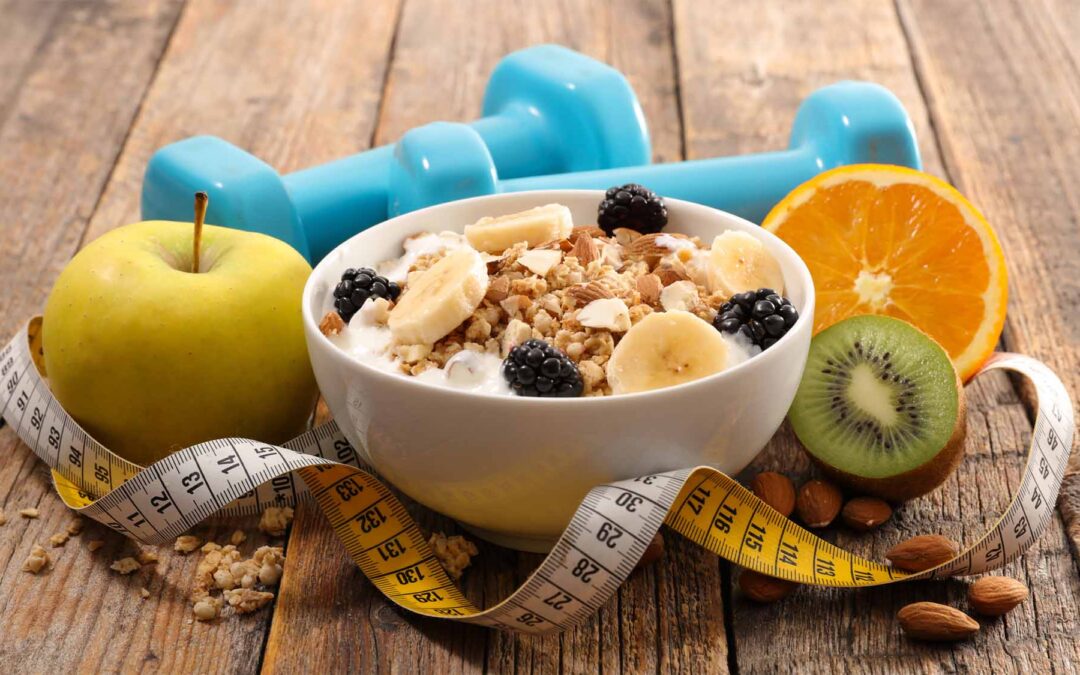
Feed your gut and your cells. A colorful plate full of vegetables, fruit, fiber, and healthy fats does more than fill us up. It fuels the microbiome and helps keep chronic inflammation in check, the same inflammation researchers believe is central to the aging process.
Protect your skin. Sun damage accelerates aging we can actually see. Remember to redo in two, reapplying sunscreen every two hours when we’re out enjoying our beautiful shore.
Stay connected. Strong relationships and a sense of purpose are consistently linked to longer, healthier lives. Call a friend, join a class, get involved in your community. Isolation is its own kind of health risk.
Manage stress. Chronic stress keeps our bodies flooded with cortisol, which contributes to inflammation and wears down our systems over time. Even a few minutes of deep breathing or time outside can help reset us.
The science on GLP-1 medications and aging is still unfolding, and researchers agree we need more studies before drawing firm conclusions. But the building blocks of a longer, healthier life haven’t changed much: move often, sleep well, eat real food, and stay connected to the people around us. Those habits have always been our best medicine, and they always will be.
Robin is a former television reporter for NBC News 40. She currently hosts a podcast and radio program called Living Well with Robin Stoloff. It airs Sundays at 10 AM on Lite 96.9. You can email Robin at livingwellwithrobin@gmail.com