
Though we have endured a hot and humid start to September, fall is knocking on our door. Before long, we will feel the drop in temperature and drastic change in seasons. For this reason, it is the perfect time to start thinking about planting cool-season flowers. Now, if you have been gardening for any length of time, you may be familiar with cool-season plants such as spinach, kale, and broccoli, but have you considered planting cool-season flowers that will bloom in spring? We often look forward to the end of winter and eagerly sow seeds for cool-season plants as early as possible. But for certain flowers that are not heat-tolerant, waiting until the spring thaw can narrow your growing window. Hardy annuals and biennials can be planted in September, giving you a jumpstart to your spring garden.
Hardy annuals may sound like an oxymoron. We often use the term annuals loosely to describe plants that are not cold-tolerant, such as zinnias, coleus, or impatiens. These plants do not like the cold at all, and will show signs of damage once temperatures dip below the 50s and especially the 40s. However, hardy annuals can handle a light frost if they have a strong root system to sustain them. While it is a bit of a dance, timing the planting of your seeds correctly can pay off in a spring full of blooms. Cool-season crops have the opposite problem. While they can handle a light frost, hot weather will finish them off. So here is the trick. Find out the first expected frost date for your area. In South Jersey (depending on your specific zip code), this could be late October or late November. Once you know this date, count back six to eight weeks. This is your target date for planting cool-season flower seeds, such as lovely larkspurs.
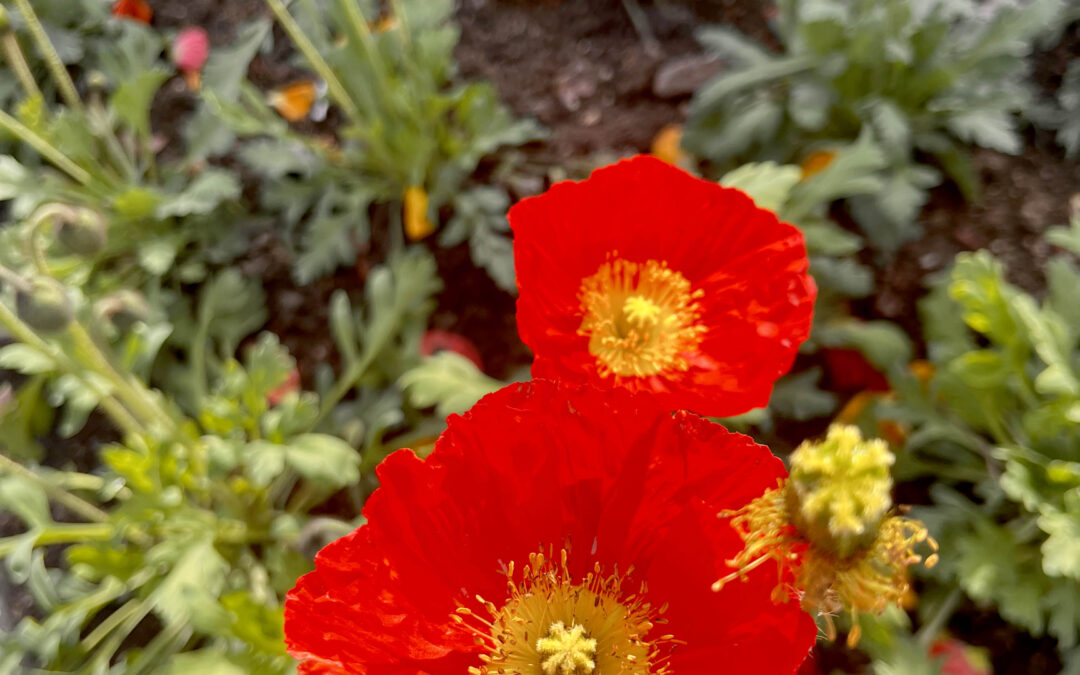
Your goal is for the soil to be warm enough for the seeds to germinate and grow deep, healthy roots. When winter comes, the plants will go into dormancy, and you will think they have failed. But come spring, they will emerge from the soil and begin to grow. If you are successful, they will be stronger and healthier than the cool-season plants that you sowed by seed in early spring. These hardy annuals will also bloom sooner. This also includes biennials that do not bloom the first season. Biennials will grow rosettes low to the ground and establish their roots the first year. The following season, they will grow tall, bloom their hearts out and then finish their life cycle by forming seeds for the next generation of plants. By planting biennials in fall, you can cheat the system. The cool air but warm soil of September will help biennial seeds germinate and establish their roots. As the days grow shorter and cooler, they will go into dormancy until spring. For some seeds, a period of cold is required to trigger flowering. Winter will take care of this, and come spring, you can look forward to amazing flowers. In addition to larkspurs, other flower candidates for fall planting are snapdragons, sweet peas, calendulas, Nigella/love-in-a-mist, and Iceland poppies.
Every winter is different. Last year was harsh, with extreme cold snaps and freezing temperatures. Even some of your sturdiest plants will suffer from sustained freezes. To help protect your plants, use a thick layer of mulch or straw. You may want to use a light frost cloth for the coldest days. For a bit of insurance, you can plant more seeds of cool-season flowers once the soil has thawed in spring. Keep careful notes and do a little experiment to see which plants bloomed first and were the healthiest — the ones planted in September or the ones planted in spring. We would love to hear about your results. Send your comments and questions to: shorelocalgardener@gmail.com.
Tammy Thornton lives with her husband, children, and crazy pets while enjoying a life of gardening, cooking, and going to the beach.