Irish whiskey was one of the earliest distilled beverages, pioneered by monks around the 12th century. Early whiskey differed from what we now know, as it would have been flavored with aromatic herbs and not barrel aged.
By the 16th century imbibing whiskey was widespread and began to be subject to licensing and later taxation. In the 19th century, Ireland emerged as a major whiskey distilling center. Distilleries in Dublin grew to become the largest in the world with a combined output of 10 to 12 million gallons per year and by the end of the century Irish whiskey was at its peak.
What happened between Irish whiskey’s Victorian era zenith and its near demise in the latter half of the 20th century? Even after the invention of the Coffey continuous still in 1830, Irish whiskey makers tended to be traditionalists, distilling their product with pot stills which they believed yielded a superior whiskey. However, the Coffey still was more efficient, producing more volume with less energy, and gained acceptance with English gin and Scotch whiskey manufacturers. By the early 1900s, changing tastes along with falling market share from a variety of lower cost spirits in competition began to place pressure on Irish distillers.
The Irish whiskey industry was faced with major hits beginning with the Irish War of Independence (1919-1921), fought between the Irish Republican Army and British forces, and the Irish Civil War immediately following which secured the existence of the Irish Free State. Ireland’s antagonistic relationship with Britain, then Irish whiskey’s biggest market, led to a trade war in which Britain cut off whiskey imports. In the same time period, Irish whiskey lost its second largest market due to Prohibition in the United States. Of the 28 distilleries in the late 19th century, only two had survived by the mid-1970s, Old Midleton Distillery and Old Bushmills Distillery. The combined output of whiskey had gone from 12 million cases to about half a million cases per year.
In the late 1980s, Irish whiskey began a long, slow resurgence starting with the establishment of the Cooley Distillery, focused on notable double-distilled single malts and grain whiskeys, and the Pernod Ricard acquisition of Irish Distillers, makers of Jameson. From the late 1990s through the 2010s, Irish whiskey underwent a major resurgence as the fastest growing spirit in the world. There are currently about 50 operational whiskey distilleries in Ireland. Most of the market volume is still produced by the major distilleries such as Midleton, Bushmills and Cooley, however, many new smaller distilleries make up a boutique market providing visitor experiences and innovative products.
Our favorite place for wine and spirits, Circle Liquor Store, has these fine examples of Irish whiskey.
Budget friendly:
Proper No. Twelve by Eire Born Spirits, produced by MMA fighter Conor McGregor. Triple-distilled and aged in bourbon barrels for at least four years. A smooth, approachable whiskey with notes of vanilla, honey and toasted wood.
West Cork IPA Cask Irish Whiskey is a blended whiskey that is 75% grain and 25% malt. Initially matured in ex-Bourbon casks and finished in casks that previously held Blacks of Kinsale IPA. Full-flavored with notes of nuts, roasted malt and sweet undertones.
Mid-range:
The Quiet Man whiskey brand is made by a small independent producer, Niche Drinks in Derry, Northern Ireland. The Quiet Man is named in honor of John Mulgrew, a beloved barman known as a good listener and dispenser of pearls of wisdom. The whiskey is distilled in small batches in Bourbon casks. The flavor profile is sweet, smokey and smooth with warmth and spice and a mellow finish.
Jameson Irish Whiskey and Jameson Select Reserve Black Barrel. Jameson Irish Whiskey is the classic original but for a few dollars more the Select Reserve Black Barrel offers a fuller, creamier body with stronger notes of butterscotch, fudge and spice.
Unique:
Connemara Irish Whiskey is a unique, award-winning Irish Peated Single Malt Whiskey produced by Cooley Distillery. Distinct smoky flavor combines with a smooth, sweet, honeyed malt taste.
Irish Mist is technically a liqueur made with whiskey, honey, and spices. Its sweet, vanilla flavor profile makes it perfect for sipping or adding to a hot beverage on a cold winter night.
Splurge:
In the over $75 range you’ll find Irish whiskeys with longer barrel aging such as Redbreast 12-year and 15-year, Yellow Spot, a 12-year from Midleton Distillery, and an 18-year from Jameson.
Whiskey cocktail recipes
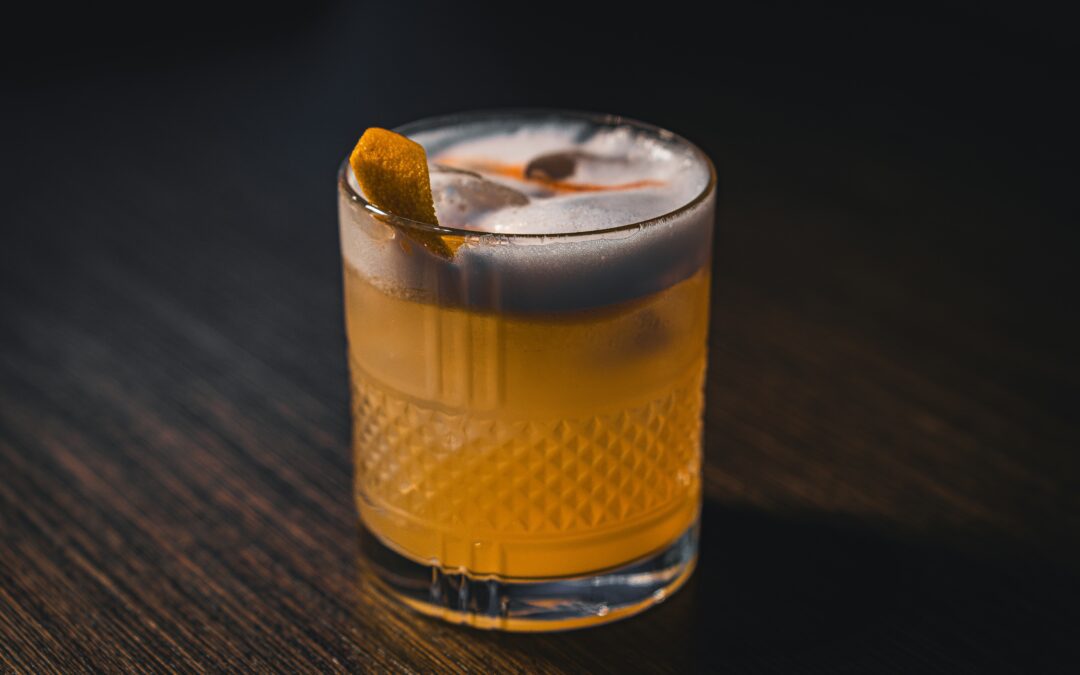
Whiskey Sour
- 2 ounces Jameson Black Barrel
- 1 ounce lemon juice
- 1.5 ounces simple syrup
- Fresh lemon slice for garnish (optional)
- Maraschino cherry for garnish (optional)
In a cocktail shaker with ice, add Jameson, lemon juice and simple syrup. Shake well and strain into a glass. Garnish with a lemon slice and maraschino cherry.
Irish Mule
- 2 ounces Quiet Man whiskey
- 5 ounces ginger beer (or ginger ale)
- ½ ounce fresh lime juice
- Lime wedge for garnish (optional)
Add ice to a copper mug or highball glass. Pour in whiskey and lime juice. Top with ginger beer and stir lightly.
Irish Coffee
- 1 cup hot coffee
- 1.5 ounces Irish Mist
- Half and half to taste
Add half and half to coffee and froth with a milk frother. Add Irish Mist and stir gently.
Tipperary Cocktail
- 1.5 ounces Bushmills Irish Whiskey
- 1 ounce sweet vermouth
- ½ ounce Green Chartreuse
- 2 dashes Angostura bitters
- Orange twist for garnish (optional)
Add whiskey, sweet vermouth, Green Chartreuse, and bitters to a shaker with ice. Shake lightly and strain into a coup glass. Garnish with orange twist.
Sláinte!
Julia Stacey Reilly is a published author and blogger. Her book, Boozy Lifestyle, is available on Amazon and her blog can be found at BoozyLifestyle.com. She is the official Tony Mart sommelier and has earned a WSET Award in Wines. She can be reached at BoozyLifestyle@gmail.com.