By Marcella Curcio
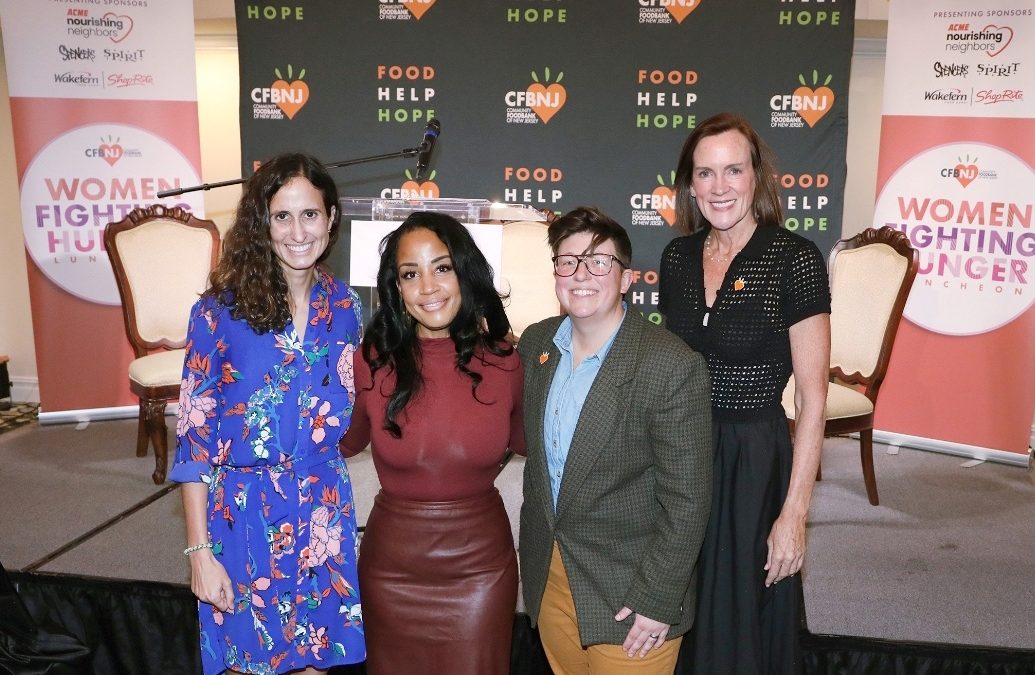
Community leaders, advocates and supporters gathered Oct. 28 at The Carriage House in Galloway for the South Jersey Women Fighting Hunger luncheon, an annual event focused on raising awareness and funds to fight hunger across the region.
Hosted by the Community FoodBank of New Jersey (CFBNJ), the luncheon brought together individuals committed to helping children, students and families access nutritious food while addressing the broader challenges associated with food insecurity.
The event featured Priya Fielding-Singh, a sociologist, researcher and author of “How the Other Half Eats.” Her work explores how income inequality shapes families’ food choices and the difficult decisions parents face when trying to provide nutritious meals for their children.
Torrina Bennett-Michael, senior director of external affairs for CFBNJ, said the gathering aimed to raise critical funds and awareness while strengthening the community connections necessary to address hunger.
“Ultimately, we hoped attendees would leave feeling both inspired and informed, with a deeper understanding that hunger is not always visible and that it can affect our neighbors in many different circumstances,” Bennett-Michael said. “We also wanted them to recognize that each of us has a role to play.”
The luncheon is an annual signature event held each October, but the Women Fighting Hunger volunteer group supports CFBNJ’s mission throughout the year. Members organize community drives, participate in educational gatherings, support special events and advocate on behalf of the organization.
The group also leads initiatives such as the Great Big Diaper Drive and the Great Big Period Product Drive, which address essential needs beyond food.
“What makes Women Fighting Hunger so meaningful is that it creates opportunities for people to turn their passion into action,” Bennett-Michael said. “Whether through fundraising, volunteering, collecting essential items, or raising awareness about food insecurity, every effort contributes to a stronger support system for children, students, and families.”
Addressing food insecurity in South Jersey
CFBNJ is New Jersey’s largest anti-hunger and anti-poverty organization. Through a network of community partners, including food pantries, soup kitchens and other nonprofits, it serves communities across 15 of the state’s 21 counties.
The organization’s Egg Harbor Township location plays a significant role in South Jersey, reaching residents throughout Atlantic, Cape May and Cumberland counties.
More than 80,000 people in the region, including more than 23,000 children, experience food insecurity, according to figures provided by CFBNJ. The organization reports that approximately one in five children in the communities it serves faces food insecurity.
Rising living costs remain a significant challenge for families struggling to afford basic necessities. Housing, utilities, transportation, child care and health care expenses can leave households with difficult decisions about how to stretch their budgets.
Food insecurity is not limited to individuals who are unemployed. Working families can also struggle to keep food on the table while meeting other financial obligations.
“One of the biggest challenges facing individuals and families in New Jersey is the rising cost of living,” Bennett-Michael said. “When families are struggling to afford housing, utilities, transportation, childcare, and healthcare, food often becomes the expense they have to stretch or sacrifice.”
Transportation and limited access to affordable, nutritious food can create additional barriers for some South Jersey residents.
“Ultimately, hunger is about more than food. It’s about the difficult choices families are forced to make every day,” Bennett-Michael said.
CFBNJ works to meet immediate needs while connecting individuals and families with resources intended to promote greater stability. Its programs include free assistance applying for benefits such as the Supplemental Nutrition Assistance Program, known as SNAP, and the Special Supplemental Nutrition Program for Women, Infants and Children, known as WIC.
The organization also offers job training programs designed to prepare individuals for careers in culinary services and warehouse logistics, along with distributing essential hygiene products, including diapers and period products.
A network built on community partnerships
CFBNJ’s distribution system relies on donations from farmers, grocery stores and manufacturers, as well as food drives, government programs and purchased food.
After food arrives at its warehouses in Hillside and Egg Harbor Township, staff members and volunteers inspect, sort and prepare items for distribution.
The organization works with more than 800 community partners statewide, including food pantries, shelters, churches, soup kitchens and other nonprofit organizations. In South Jersey, its Egg Harbor Township location works with more than 300 partner programs across Atlantic, Cape May and Cumberland counties.
Mobile pantries also help reach residents who face transportation challenges or live in areas with limited access to food resources.
“Ultimately, it takes an entire community working together,” Bennett-Michael said. “Our donors, volunteers, staff, and partner agencies each play a vital role in ensuring food reaches our neighbors with dignity and care.”
Beyond distributing food, CFBNJ connects neighbors with resources and advocates for long-term solutions to hunger.
How the community can help
Residents, businesses, schools and community organizations can support CFBNJ through financial contributions, volunteer opportunities, food and hygiene product drives, sponsorships and fundraising initiatives.
Financial donations are particularly impactful, according to the organization, which reports that it can provide three meals for every dollar donated through its purchasing power.
Businesses can participate through employee volunteer days, food donations, sponsorships and matching gift programs. Schools and community groups can organize collection drives and fundraisers to support local families.
Bennett-Michael encouraged residents to remain involved throughout the year.
“Most importantly, we encourage people to get involved year-round,” she said. “Fighting hunger requires a collective effort, and whether someone contributes their time, resources, or voice, they can help us ensure more neighbors have access to nutritious food and the support they need to thrive.”
Looking ahead, CFBNJ plans to continue improving food distribution, providing healthier and more nutritious food, strengthening community partnerships and addressing the underlying causes of hunger.
The organization also aims to connect neighbors with resources such as benefits assistance and workforce development opportunities while ensuring consistent access to food.
“We want the community to understand that hunger can affect anyone, including working families who are doing everything they can to make ends meet,” Bennett-Michael said.
“Hunger is a solvable problem, but it requires all of us working together,” she said. “Through community partnerships, advocacy, and continued support, we can address immediate needs while building long-term solutions.”
To learn more about CFBNJ’s services, upcoming events, volunteer opportunities and ways to donate, visit cfbnj.org.