
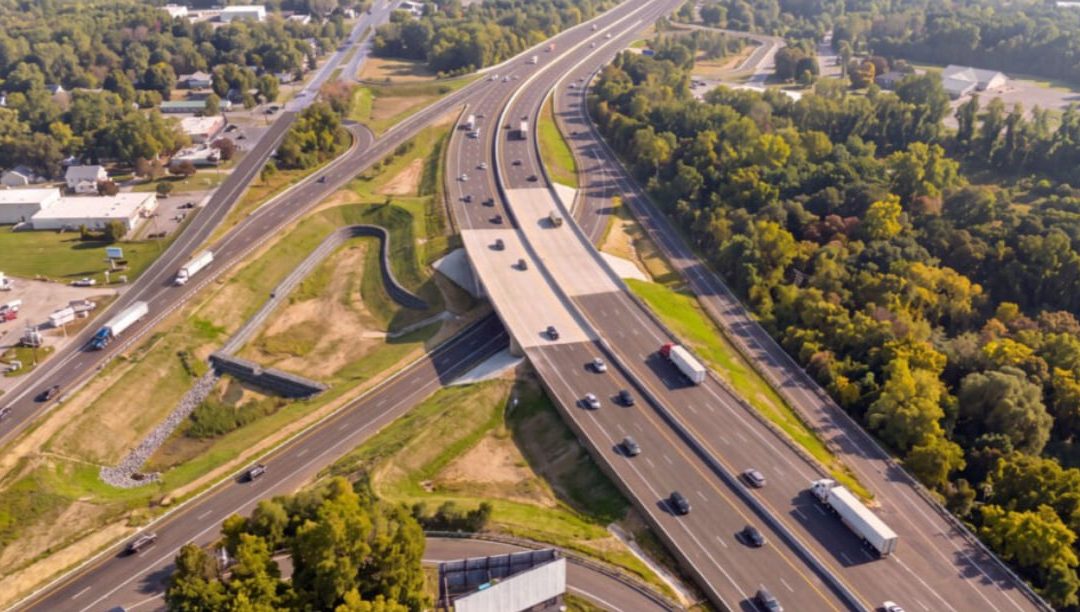
Anyone who has traveled west on the Atlantic City Expressway on a summer Sunday knows the frustration. After miles of relatively smooth driving, brake lights appear, traffic slows to a crawl and three lanes of vehicles are forced to squeeze into two.
A project costing more than $400 million will add a third lane in each direction, addressing a bottleneck that has frustrated Shore visitors, commuters and residents for decades.
The South Jersey Transportation Authority broke ground Oct. 14 on the long-awaited expansion, which will widen approximately 12.6 miles of the expressway between Route 42 and the existing three-lane section near Route 73.
Although construction will primarily take place in Camden and Gloucester counties, the effects could be felt throughout Atlantic County, particularly in communities that depend on tourism, hospitality and regional travel.
For Atlantic County residents who regularly travel toward Philadelphia for work, medical appointments, shopping or entertainment, the expansion could mean fewer backups and more reliable travel times. The improvements may be especially welcome during the summer, when thousands of vacationers travel to and from the Jersey Shore.
The SJTA has identified recurring congestion, rear-end collisions and sideswipe crashes as reasons for the expansion. Officials hope eliminating the lane reduction will improve traffic flow and reduce conditions associated with those crashes.
Once completed, the project will create a continuous three-lane highway in both directions along the entire Atlantic City Expressway.
The widening will extend from milepost 31.6 near Route 73 to milepost 44.2 at Route 42, passing through Winslow and Gloucester townships in Camden County and Washington Township in Gloucester County.
The project includes work on bridges spanning Route 42 and the Great Egg Harbor River, along with improvements to the Route 42 interchange and Sicklerville Road overpass. It is also intended to modernize aging infrastructure and prepare the highway for future traffic growth.
Motorists should not expect immediate relief. The project remains in its final design phase, with major construction expected to continue through 2034.
Preliminary work is anticipated to begin this fall, including shoulder repairs and improvements to the Sicklerville Road ramp at Route 42. The first major widening contract, covering part of the expressway’s western end, is scheduled for 2028 through 2030. Additional phases will address the remaining eastbound and westbound sections.
Atlantic County commuters and tourists will likely encounter construction over several travel seasons. The SJTA plans to maintain two travel lanes in each direction during major portions of the work, but drivers should anticipate possible delays, changing traffic patterns and work zones.
Beyond easing congestion, the expansion could have significant economic implications for Atlantic County.
Tourism is one of the region’s major economic drivers, supporting casinos, restaurants, hotels, entertainment venues and small businesses in coastal communities. For visitors traveling from Pennsylvania and other parts of New Jersey, the expressway provides a critical connection to Atlantic City and nearby Shore towns.
A more efficient highway could make Atlantic County destinations easier to reach and encourage return visits. Reliable travel times are also important for businesses that depend on deliveries, employees and customers traveling between Atlantic County and the Philadelphia metropolitan area.
Speaking at the groundbreaking, SJTA Executive Director Stephen Dougherty emphasized the expressway’s importance to the regional economy. Residents rely on the highway to reach jobs, schools and health care services, while businesses depend on it for customers and commerce, he said.
The expansion has been discussed for years, with planning efforts dating back more than a decade. The project was originally estimated to cost approximately $180 million, but the anticipated price has climbed above $400 million as planning and engineering advanced.
The SJTA issued transportation system revenue bonds in 2020 to support the project. Those bonds were associated with toll increases implemented at the time. Officials have said no additional toll increases are currently planned specifically for the widening.
The Atlantic City Expressway was built during the 1960s to connect the Philadelphia region and Atlantic City. Although other portions have since been widened, the westernmost section has remained two lanes in each direction, creating a persistent chokepoint as traffic increased.
Completing the final stretch will give the full corridor three lanes in each direction.
For Atlantic County drivers, the payoff remains years away. But after decades of merging, braking and sitting in traffic, a more reliable trip to and from the Shore is moving closer to reality.
Motorists can follow construction schedules, traffic impacts and future public meetings at ACEWidening.com.