A short-lived baseball team
For more than a decade, summer nights in Atlantic City offered an attraction far removed from slot machines, beach bars and the Boardwalk.
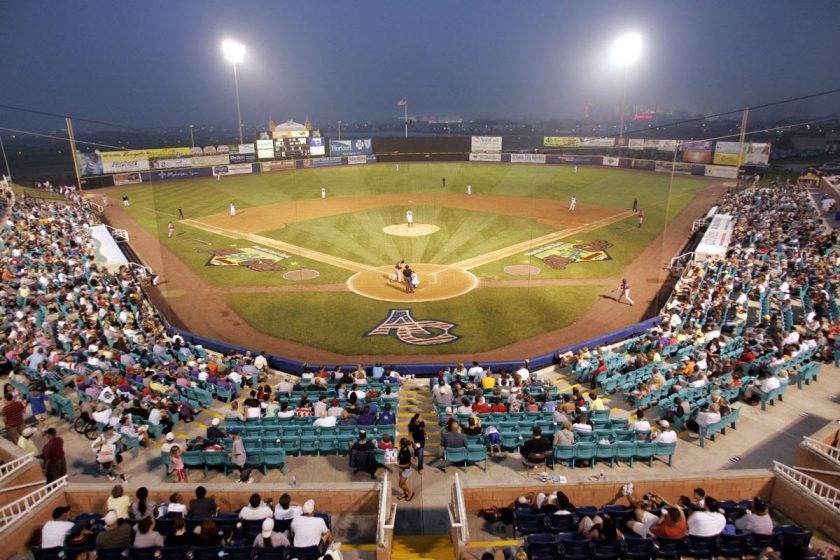
At Bader Field, fans could buy a ticket, grab a hot dog and watch professional baseball beneath the lights, with casino towers rising beyond the outfield.
The Atlantic City Surf debuted in 1998 with a new stadium, a colorful identity and hopes of making professional baseball a lasting Shore attraction. The team immediately delivered a championship.
Eleven seasons later, the Surf was gone.
Its demise was not the story of a losing club. The Surf finished with an overall winning record and regularly reached the postseason. Its downfall instead reflected the difficult economics of independent baseball in a resort whose visitors did not necessarily become repeat customers.
Nearly two decades later, nostalgia remains strong. As Atlantic City increasingly markets itself as a sports destination, the question persists: Could professional baseball work here again?
A ballpark at Bader Field
The Surf was one of the original teams in the independent Atlantic League, which began play in 1998. Unlike affiliated Minor League Baseball clubs, Atlantic League teams signed their own players, often including overlooked prospects and former major leaguers.
Atlantic City’s baseball history stretched back much further. The Bacharach Giants, a prominent Black baseball club based in the city, won Eastern Colored League pennants in 1926 and 1927. Its players included Hall of Famer John Henry “Pop” Lloyd.
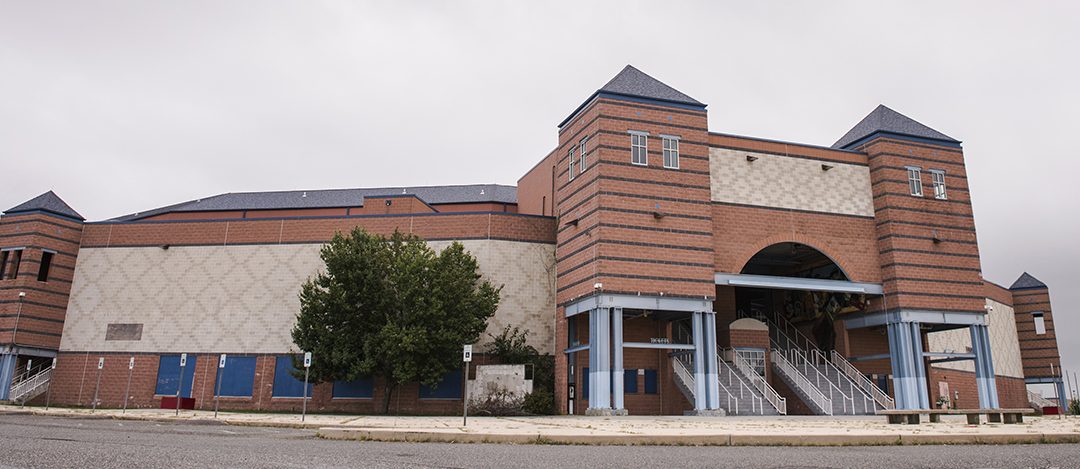
The city built a roughly 5,500-seat stadium at Bader Field, then the municipal airport along Albany Avenue. Originally known as The Sandcastle, the approximately $15 million ballpark featured short foul lines and a casino skyline beyond the outfield.
Under manager Doc Edwards, Atlantic City finished its inaugural season 60-40. The Surf then defeated the Bridgeport Bluefish three games to one to claim the first championship in Atlantic League history. It would remain the franchise’s only league title.
A difficult business model
The Surf attracted more than 189,000 fans in 1998 and more than 206,000 in 1999. Fireworks, giveaways and other promotions could fill the stadium, but ordinary weeknight games often left thousands of seats empty.
That inconsistency exposed a fundamental problem: Tourists were not necessarily season-ticket holders.
Independent teams depend on repeat customers, group sales, sponsorships and business ticket packages. Atlantic City had fewer year-round corporate customers than some suburban markets, while many residents worked evenings in casinos, hotels and restaurants — the same hours when the Surf played.
The casino industry never became the financial foundation the franchise needed.
Before the 2006 season, founder Frank Boulton leased the team to a group led by sports executive Mark Schuster. The stadium’s naming rights were sold to Bernie Robbins Fine Jewelry, and The Sandcastle became Bernie Robbins Stadium.
Schuster’s group later purchased the franchise. In 2007, the Surf left the Atlantic League for the Canadian-American Association of Professional Baseball, commonly called the Can-Am League. Its shorter schedule was intended to make operations more manageable.
The team continued to win, but its business problems persisted. The stadium deteriorated, and ownership and city officials disagreed over responsibility for repairs.
After the 2008 season, ownership sought a buyer, but a proposed sale fell through. On March 30, 2009, the Surf ceased operations. Schuster cited the stadium’s disrepair, uncertainty surrounding Bader Field and the city’s unwillingness to extend the lease beyond three years as major obstacles to raising capital.
The announcement came during a national recession and at the beginning of a turbulent period for Atlantic City’s casino industry. The financial crisis did not create the Surf’s problems, but it made finding new ownership more difficult.
After the Surf
The ballpark survived the franchise. It was repaired before a three-day Dave Matthews Band festival in 2011 and renamed Surf Stadium in 2012. It later hosted high school, youth and college baseball.
In 2018, Atlantic City authorized Boulton to seek an ownership group that could return professional baseball to the stadium. The effort did not produce a new team.
The Surf was not the only professional franchise to struggle in Atlantic City. The city also hosted the Atlantic City Seagulls basketball team, Boardwalk Bullies hockey team, CardSharks indoor football team and, in 2019, the Blackjacks of the Arena Football League. All eventually disappeared.
Atlantic City has since emphasized sports tourism, attracting tournaments and competitions that bring visitors for several days rather than relying on local fans to support a full season.
In its 10th year, the Atlantic City Sports Commission reported 69 events that drew more than 302,000 attendees, generated nearly 85,000 hotel room nights and produced an estimated $114.2 million in economic impact.
Those events included basketball and wrestling championships, gymnastics, futsal, volleyball, pickleball, indoor auto racing and the Atlantic City Marathon. The model capitalizes on the city’s hotels, arenas, convention space, restaurants and entertainment.
Could the Surf return?
The Surf remains memorable because it had a distinctly Atlantic City identity: teal-and-purple branding, casino towers beyond the fences, former major leaguers in uniform and fireworks beside an old airport.
Unlike many defunct franchises, it also left a ballpark behind.
Reviving the name would be easy. Building a sustainable team would require answering the same questions that defeated the original franchise: Who would own it? Would casinos and other major employers sponsor it? Could the team turn tourists into ticket buyers several nights a week and draw repeat customers from Atlantic and Cape May counties?
Atlantic City has repeatedly reinvented itself, expanding beyond gambling into dining, entertainment, conventions and sports tourism.
The Surf belongs to one chapter of that evolution. As long as the baseball diamond remains at Bader Field, so will the question of whether Atlantic City might someday hear “Play ball” again.
Sarah Fertsch of Egg Harbor Township holds a Bachelors of Arts in Public Relations. She is a locally renowned poet, storyteller, and dog lover.