During the night of Sept. 4, 1804, a small merchant ship sailed alone into the harbor of Tripoli, in North Africa. It carried no cargo. It was instead loaded with bombs and explosives.
Its captain was 26- year-old Richard Somers, from Somers Point, New Jersey. He and all 12 members of his crew knew they had little chance of coming back alive. Yet they had all volunteered for this mission.
For three years, they had been at war with fanatic sea fighters who were commonly called “Barbary Pirates.” However, those sea fighters were not pirates. Pirates were criminals who were immediately tried and executed if captured. These sea fighters were “privateers” or “corsairs.” They had been hired by nations that were legally at war with the United States. If captured, they were to be treated as prisoners of war.
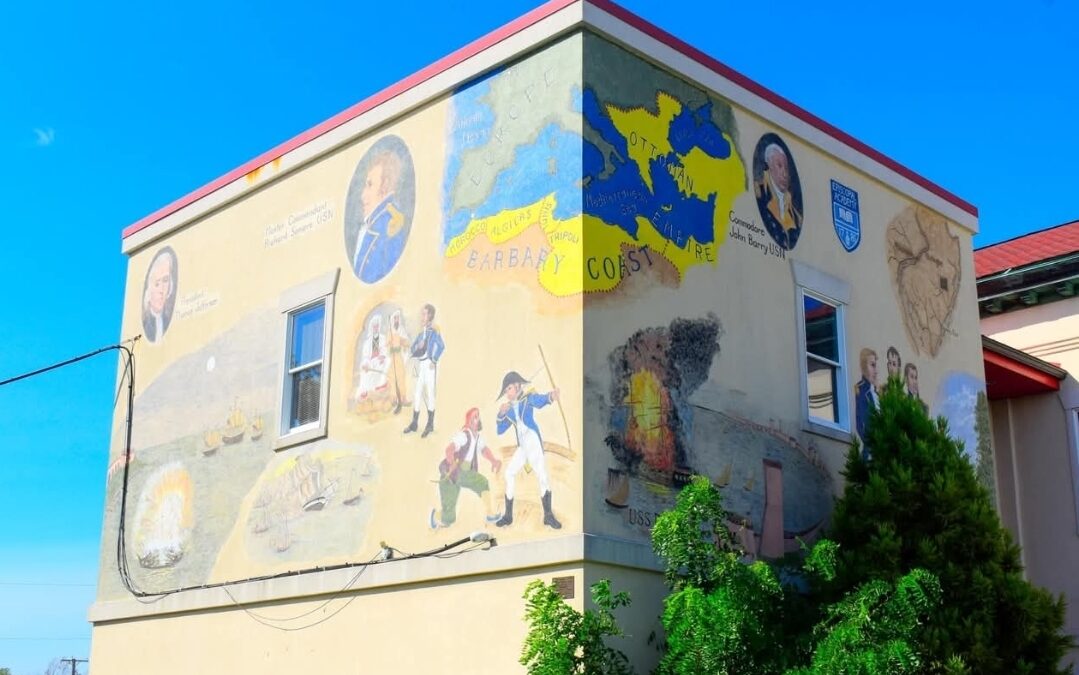
Their war had started long before the United States existed. It began in the year 708 when Arabs conquered the Roman cities of Tangier, Algiers, Tunis and Tripoli in North Africa. They then became known as the “Barbary” kingdoms. They later became allies of the Ottoman Turks who were also at war with Christian Europe.
For 1,000 years, the Barbary kingdoms hired raiders to attack European ships and coastal towns as far away as Iceland. They captured more than 1 million Europeans and sold them as slaves in North Africa. In 1560, Pope Pius V formed a “Holy League” of many nations to fight back.
By the 1700s, most European nations, even the British Empire, stopped fighting. They decided it was cheaper to instead pay bribes, or “tribute” to the Barbary kingdoms.
American ships were protected by that tribute when we were part of the British Empire. However, they were attacked when we won our independence in 1783. We then paid our own tribute to keep our people safe. However, the more we paid, the more the Barbary kingdoms demanded. They knew we had no choice. Our nation loved peace so much that we had no navy to protect our ships.
By 1798, Americans had enough. We said “ Millions for defense, not one cent for tribute.” We built a navy. Richard Somers, of Somers Point, was one of the first to join. In 1801, Thomas Jefferson sent our navy to North Africa to fight the Barbary kingdoms.
During the first two years, the American fleet was led by naïve and cautious commanders. They were repeatedly played and outwitted by a deceptive enemy. That quickly changed when Edward Preble was made commodore in December of 1803. During the next 10 months, the Americans aggressively hunted, attacked and captured Barbary ships and blockaded their ports. All but one of the Barbary kingdoms quickly made peace with America.
However, one of them, Tripoli, did not. It had its warships retreat to the safety of its harbor. Its ruler believed that Americans would soon get tired of paying for an expensive foreign war 5,000 miles away.
Richard Somers and most of his fellow sailors agreed. They therefore agreed to take an enormous gamble to win the war in a single stroke. Somers and twelve volunteers packed a captured Arab ship with explosives. They then sailed it into Tripoli harbor, pretending to be a friendly vessel. They planned to light fuses, escape and have their ship explode near the enemy fleet that was anchored there.
Their plan failed. The ship exploded prematurely. Somers and his entire crew were killed instantly.
However, their sacrifice inspired the rest of the fleet to continue the fight. One year later, American Marines made a daring raid that brought them to the “shores of Tripoli.” The actions of those brave Americans won respect and peace for Americans in the Middle East for the next 160 years.
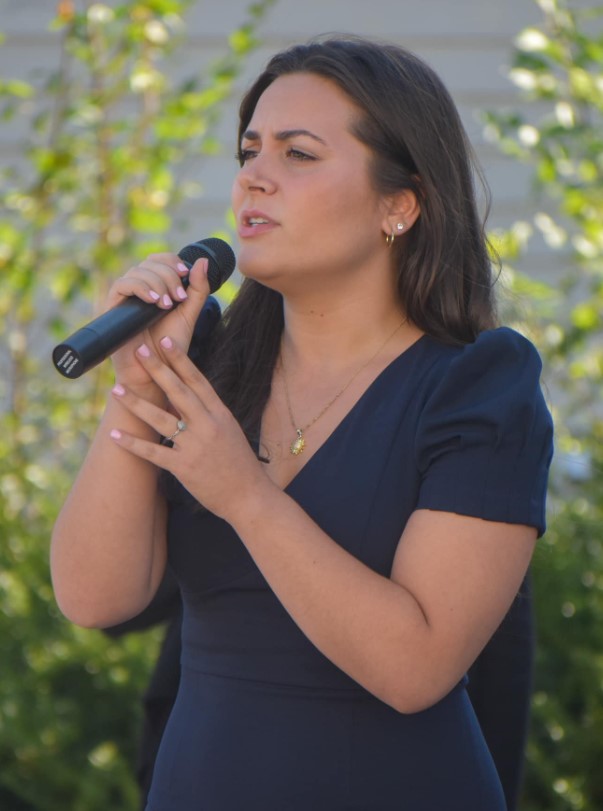
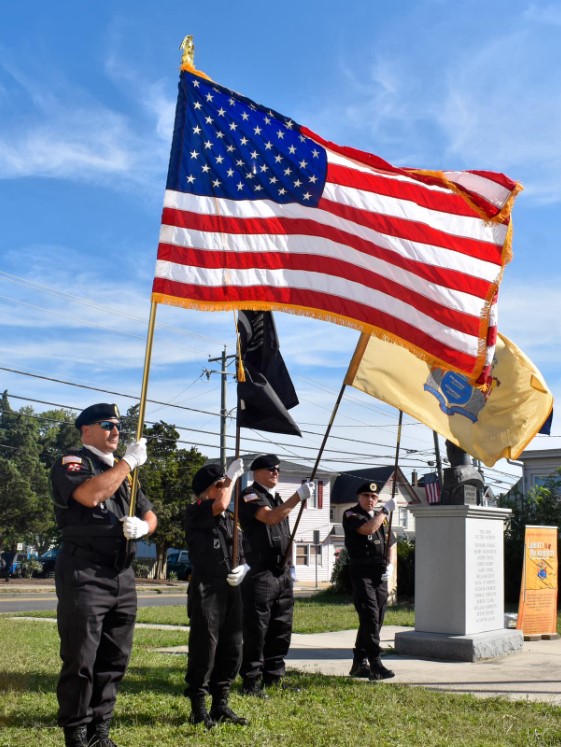
Every Sept. 4, Somers Point holds a ceremony to remember Richard Somers and the crew of his ship Intrepid. This year it will be held at 10 a.m. by the statue and mural dedicated to them by the library at 801 Shore Road. The public is invited and admission is free. There will then be a $20 breakfast at 11 a.m. at Sal’s Coal Fired Pizza, 501 New Road in Somers Point.