Drink Up!
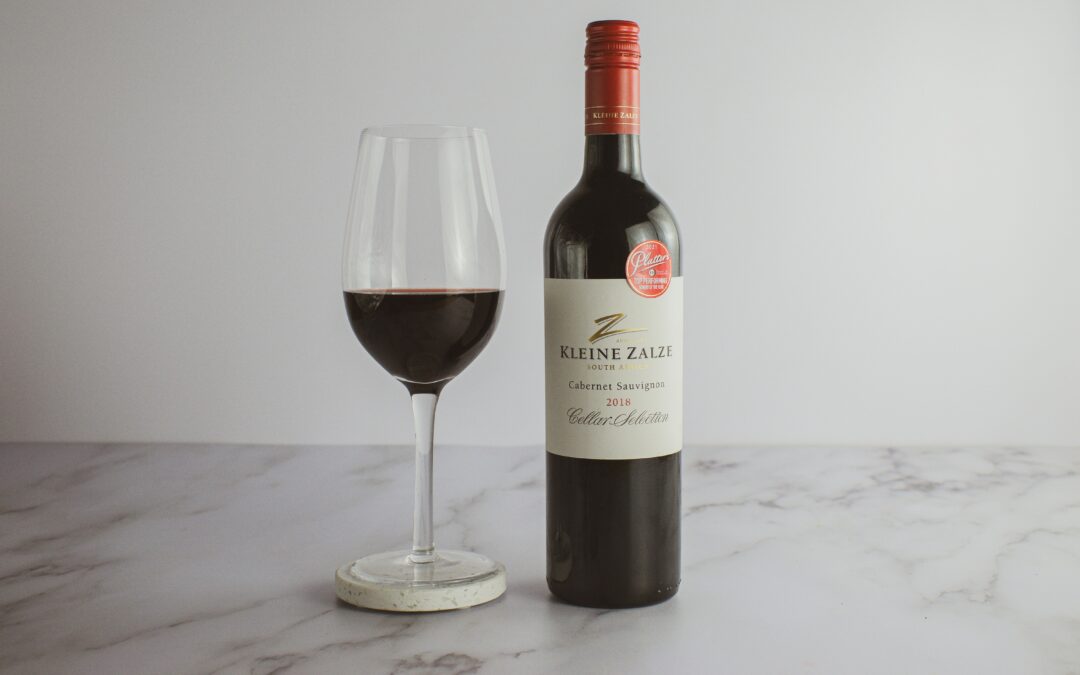
Aug. 30 is International Cabernet Sauvignon Day. Wine historians have determined that French winemakers in Bordeaux experimented with grapevine grafting with numerous varietals in the 1600s, resulting in what is now known as Cabernet Sauvignon. Over the next four centuries, this grape has traveled the world to vineyards on many continents and become one of the most recognized varietals the wine world has ever known. Although it was long assumed that Cabernet Sauvignon was created by grafting together Cabernet Franc and Sauvignon Blanc, plant geneticist Carole Meredith, from the University of California in Davis, California, utilized DNA fingerprinting techniques in 1997 to confirm its heritage.
Cabernet Sauvignon has its origins specifically in the Bordeaux wine region of France. In Bordeaux, red wine is traditionally blended. You may occasionally find single-varietal red wines there, but the vast majority are blends. This technique has become so associated with this region that winemakers far and wide refer to their blended red wines as Bordeaux-style blends. In Bordeaux, Cabernet Sauvignon is typically blended with Merlot, Malbec, Petite Verdot, and Cabernet Franc.
As you likely have read in prior articles, the French believe that terroir – a combination of soil, climate, elevation, and winemaking tradition – is everything. Bordeaux is divided into the Right and Left Banks by the Garonne, Dordogne, and Gironde rivers. Both banks have continental climates, but the Left Bank has a much stronger maritime influence due to its nearer proximity to the Atlantic Ocean. This results in cooler summer temperatures than the Right Bank experiences. The soil of the Left Bank is composed of gravel, limestone, and clay. Having seen this firsthand on a trip a few years back, I would have thought this soil would be incapable of supporting vegetation, but it is perfect for growing Cabernet Sauvignon! The vines develop an incredible root structure that grows deep into the soil for nutrients and water. French winemakers would say that stressed vines produce grapes with more vibrant flavors, more balanced acidity, and smoother tannins. The Right Bank has less rocky, more fertile soil that is perfect for Merlot.
So, why is Cabernet Sauvignon so popular, especially here in the United States? A report published earlier this year stated that the combined sales of rosé and white wines have now surpassed red wine. That said, among all wine drinkers in our country, Cabernet Sauvignon was the top pick, followed by Pinot Noir, Chardonnay and Zinfandel. Cabernet Sauvignon has a flavor and texture that is well-suited to the American palate. Cab is dry and full-bodied, with smooth, rich tannins, mild acidity, and the robust flavor of dark fruit and notes of wood. This profile pairs well with the foods many Americans favor, including steak, barbecued meats, hamburgers, lamb, pizza, almost all Italian food with red sauce, meatloaf, beef stews, Yankee Pot Roast, cheesesteak sandwiches, and on, and on. It is extremely food-friendly with the traditional American diet.
Cabernet Sauvignon is grown in nearly every major wine-producing country in the world. For recommendations, I’ll start in this wine’s homeland, France. Some French Bordeaux wines can be rather pricey, but the Chateau Haut Grignon-Medoc is an excellent, award-winning example of Left Bank, Cabernet Sauvignon-dominant wines at a very affordable price. Some moderately priced examples include the Chateau Carbonneau La Verriere, the Margaux Private Reserve and the Chateau Tourteran Cru Bourgeois Haut-Medoc. These wines are smooth and dry with plenty of dark fruit flavor. Notably, the tannins in these wines have a level of restraint that demonstrates the gravel soil and the mastery of centuries of winemaking in the region. The Cru Bourgeois is relatively new. It is an official quality classification for red wines from the Médoc region in Bordeaux and identifies high-value, high-quality wines produced by estates for estates that were not included in the historic 1855 Grand Cru Classé system.
The United States has become the home away from home for Cabernet Sauvignon, with California Cabs being the most famous. The Mediterranean climate of the Golden State is great for growing wine grapes with awesome terroir. The climate provides a long growing season, warm days, and cooler nights. The soil is rich in many of the minerals and nutrients that contribute to the wonderfully complex flavors of Cabernet Sauvignon. There are many famous Cali Cabs that have become names recognized by even the most casual wine lovers. These include Caymus, Stags Leap Artemis, and Quilt. Two fantastic, and more price-friendly examples for your consideration would be Brady Vineyards from Paso Robles and Stack House Vineyards from Sonoma. Quick note: while each of these wines only lists Cabernet Sauvignon on the label, all of them have other varietals blended in. California only requires a concentration of 75% to name the wine by that varietal alone.
And finally, a few recommendations from areas you may not expect. From Washington State, try Chateau St. Michelle or Columbia Crest Cabernet Sauvignon. The Columbia Valley benefits from a maritime influence, much like the Left Bank of Bordeaux, providing moderate year-round temperatures in the Pacific Northwest. From South America, try the El Esteco Don David Cabernet Sauvignon or Fabre Montmayou from Argentina or the Chono Single Vineyard or Rayun from Chile.
Cabernet Sauvignon truly deserves its designation as a noble grape. The noble grapes are those wine grapes that are widely planted throughout the world and produced into fine wine. The lists of noble grapes vary from as few as six to as many as eighteen, depending on the source, but one thing’s for certain: every list includes Cabernet Sauvignon.
I hope you enjoyed this spotlight on Cabernet Sauvignon. As always, contact me with questions at dsetley@passionvines.com, or stop into the Somers Point store. Until next time, Happy Cabernet Sauvignon Day and happy wining!
David Setley is enjoying his retirement from higher education as a wine educator and certified sommelier at Passion Vines in Somers Point, New Jersey.