
Hospice Myths Are Preventing Families from Getting the Care They Deserve
When people hear the word “hospice,” they often picture the final days of life or assume that accepting hospice means surrendering hope. These misconceptions can cause patients and families to delay seeking support, sometimes missing months of comfort, guidance, and specialized care that could significantly improve quality of life.
One of the most common myths is that hospice is only for the last few days of life. In reality, hospice care can be provided for many months and is designed to help patients manage symptoms, reduce stress, and improve comfort throughout their end-of-life journey. The earlier hospice services begin; the more patients and families can benefit from the comprehensive support available.
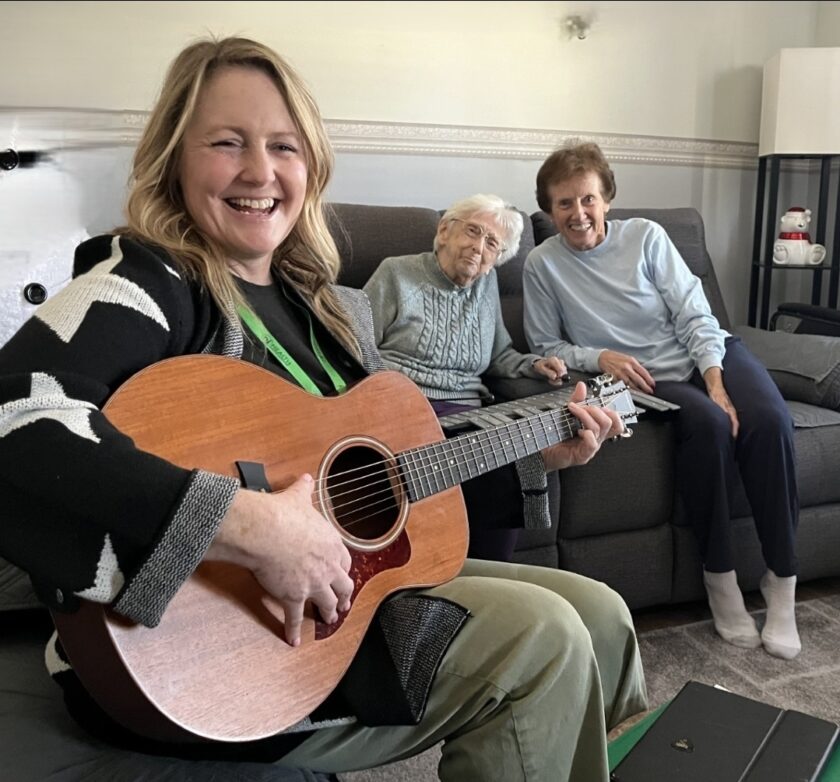
NJHealth Hospice Music Therapist Karen Melita with patient Carol and her daughter Sandy. NJHealth Hospice and Palliative Care is one of only a few hospice providers to offer additional services like music and massage therapies.
Another misconception is that hospice means stopping all care. Hospice does not stop care; it changes the focus of care. Instead of pursuing treatments that may no longer provide benefit, hospice concentrates on comfort, dignity, pain management, emotional support, and helping patients with a terminal diagnosis make the most of every day. A team of nurses, aides, social workers, chaplains, volunteers, and other specialists work together to meet the needs of both patients and their loved ones.
Some may also feel that receiving hospice care takes away hope. In reality, hospice often restores hope. Families hope for meaningful time together, freedom from pain, peace of mind, and emotional support. Hospice helps make those goals possible by focusing on what matters most to each individual.
At NJHealth Hospice and Palliative Care, we understand that every patient’s journey is different. That is why we go beyond traditional hospice care by offering specialized programs and services designed to address the physical, emotional, and spiritual needs of those we serve.
One of the unique ways NJHealth enhances quality of life is through music therapy and massage therapy. Music therapy can help reduce anxiety, elevate mood, encourage communication, and create meaningful moments for patients and families. Massage therapy can provide relaxation, comfort, and relief from pain and tension, helping patients feel more at ease.
NJHealth is also proud to offer its Five-Star Veteran Care Program, recognizing the unique experiences and needs of those who have served our country. Through specialized veteran-focused care, staff are trained to understand military culture and honor the sacrifices veterans have made throughout their lives.
For patients living with dementia and memory-related illnesses, NJHealth provides specialized memory care support. This program is designed to help patients maintain dignity and comfort while offering education, guidance, and reassurance to caregivers navigating the challenges of cognitive decline.
Most importantly, NJHealth believes that hospice care should never be one-size-fits-all. Every care plan is personalized to meet individual needs, preferences, goals, and values of each patient. Th NJHealth team of experienced and dedicated healthcare professionals ensures that every patient receives the specialized care they need and deserve.
To learn more, visit www.njhealthteam.com or call 856-696-5340.