
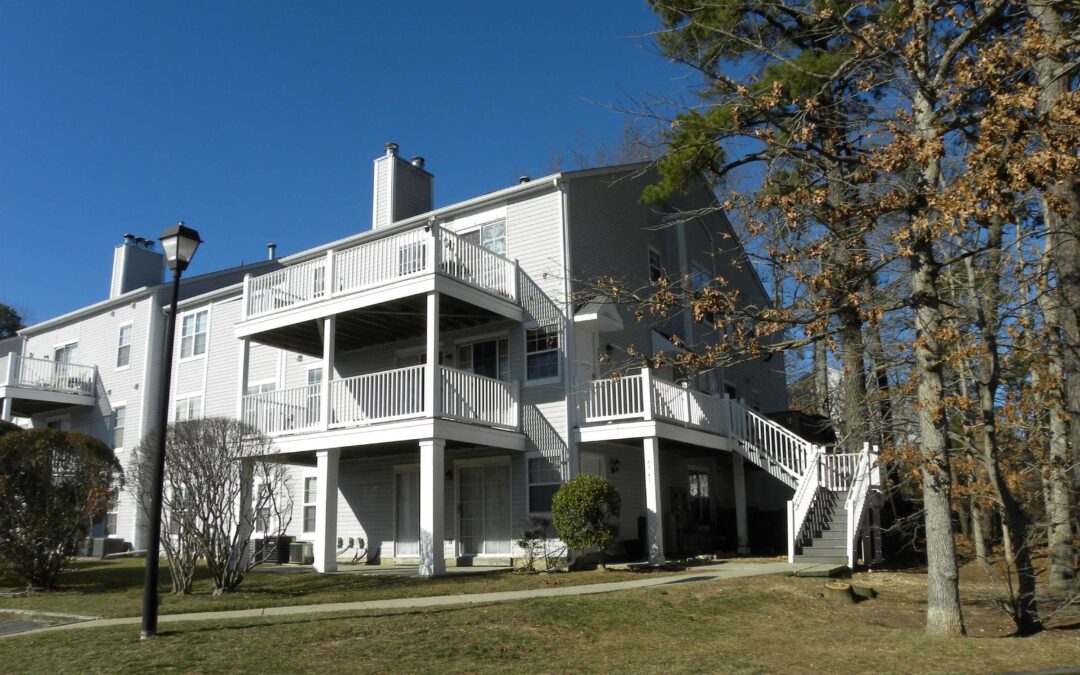
If you own a condo in southern New Jersey, don’t be surprised if your HOA fee has gone up recently, or if a hefty increase is headed your way. Take, for example, the Villages at Harding Run in Mays Landing, where residents on social media had reported monthly HOA fees increasing from about $375 to $624 as of July 1. That’s an increase of more than 65%! And while every association is different, it’s part of a trend playing out across the country.
Why the sudden increase in HOA fees? The short answer is that after the tragic Surfside condo collapse in Miami, Florida in 2021, the financial health of condominium associations started to get more attention. Regulators and lenders started taking a much closer look at whether condo associations are properly funding reserves, carrying adequate insurance and planning for major repairs before they become emergencies. Unfortunately, someone has to pay for all of that.
Why HOA fees are climbing
Much of the pressure comes from changes affecting loans backed by Fannie Mae and Freddie Mac, the organizations setting many of the standards for conventional mortgages. One of the biggest changes involves reserve funding. Starting in 2027, condo associations must set aside 15% of their annual budget for “reserves” for future repairs and replacements. Previously, condo associations only had to put 10% aside. In New Jersey, associations are also required to do “reserve study” every 5 years and must follow the funding requirements outlined in the report. Many associations are now finding themselves needing to collect substantially more money from owners as a result.
Another change is the significantly increased scrutiny that condo associations have now been facing during the mortgage approval process. Whenever someone buys a condo using conventional financing, the lender reviews the overall financial condition of the HOA, not just the buyer’s finances. Mortgage companies want to know whether the association is financially stable, adequately insured and properly planning for future maintenance. In the past, if a buyer put down a larger down payment, they qualified for a “limited” condo review, meaning less questions were asked about the financial health of the HOA. But starting in August 2026, all condo associations will need to comply with the “full” review process and provide detailed information about their finances and operations. That means weaknesses that may have gone unnoticed before could now be exposed. In the past, a larger down payment could overcome inadequate reserves or whether too many owners were behind on their dues, but that is about to change.
What happens if an HOA falls short?
If an association doesn’t meet conventional lending standards, the community may be considered “non-warrantable.” That’s a term most condo owners have probably never heard of, but it can have real financial consequences. A “non-warrantable” condo can still be sold, but financing can be much more difficult. Buyers may need alternative loan programs that often carry higher interest rates, larger down payment requirements, and additional fees. Naturally, that shrinks the pool of qualified buyers. When fewer buyers can qualify, property values may decline. It can also create problems for existing owners hoping to refinance if interest rates fall in the future.
Why condos are different
Many buyers are surprised to learn that financing a condo is more complicated than financing a single-family home. With a house, the lender is primarily evaluating the borrower and the property itself. With a condo, the lender is also evaluating an entire business — the homeowner’s association. If the HOA is involved in major litigation, has deferred maintenance, lacks adequate insurance, has too many delinquent owners, has one entity that owns too many units, or faces critical repairs, those issues can affect every owner’s ability to obtain financing. Even if your individual unit is in perfect condition, the financial health of the association will impact your ability to sell in the future.
Not all bad news
There is one long-standing condo financing hurdle that has become less significant: the percentage of owner-occupied units versus rentals. In the past, if there were more renters than owners in the HOA then the association could be deemed ineligible. Communities that previously struggled because they had too many rental units will now find it easier for buyers to obtain conventional financing. For some associations, that’s a welcome change that could improve marketability.
Is this really “Condo-geddon?”
No, of course not. Condos remain an important part of the housing market, especially for first-time buyers, retirees and anyone looking for lower-maintenance living. They’re not disappearing anytime soon. What we are likely to see is a period of adjustment. Some associations will raise HOA fees significantly in order to strengthen their finances. Owners won’t be thrilled about writing larger monthly checks, even though those increases may help protect long-term property values. Other associations may try to avoid raising fees. That may feel like a win today, but it could create much bigger problems later if financing becomes more difficult or major repairs can’t be funded. There may even be opportunities for investors willing to purchase condos in struggling associations and work toward improving their long-term financial health. But that’s not a quick fix, as it can take years for an association to rebuild reserves and restore lender confidence.
If you’re thinking about buying a condo, don’t just look at the kitchen, the view, or the monthly HOA fee. Ask questions like: How many owners are behind on their dues? Does the association’s budget have enough for reserves? Are there any upcoming assessments to cover any critical repairs? In today’s condo market, buying into the HOA is almost as important as buying the condo itself.
Jim Malamut learned the intricacies of the mortgage business under the mentorship of his father, Bill Malamut. Graduating from Rutgers University Business School, Jim quickly established himself, leading their team to become the top lender in Atlantic County.