
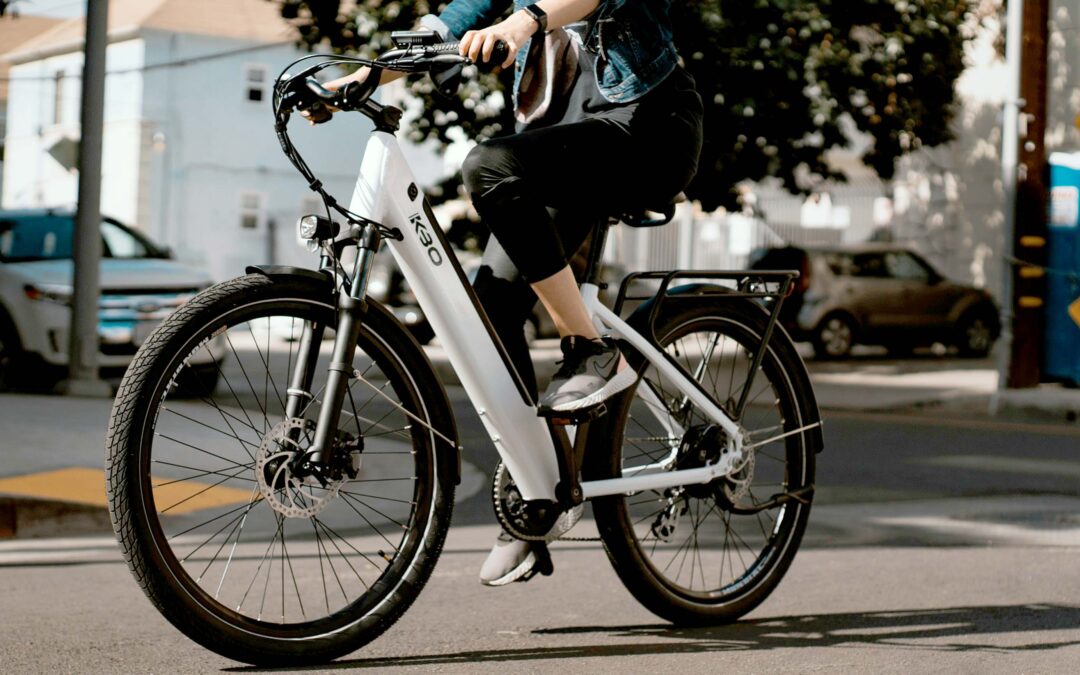
In a little over two weeks, a new e-bike law is set to change how thousands of riders use their electric bicycles, introducing registration, licensing and, in some cases, insurance requirements. Supporters say it will improve safety, but critics argue it could create new barriers for riders.
The bill (S4834), which takes effect July 19, creates new rules based on the type of e-bike being operated.
While officials say the changes are intended to address the rapid growth of electric bicycles and improve public safety, attorneys and law enforcement officials say many questions remain about how the law will be enforced.
Joseph Capo, managing partner at Camili & Capo, P.A., said the legislation represents a dramatic shift in how New Jersey views e-bikes.
“What used to be treated as a bicycle in New Jersey is now being treated as a motor vehicle,” Capo said. “That has significant implications for licensing, registration and insurance.”
According to the New Jersey Motor Vehicle Commission, riders under 15 are prohibited from operating e-bikes on public roads and sidewalks.
Riders ages 15 and 16 — or anyone without a valid driver’s license — must obtain a motorized bicycle license by completing a written knowledge test, vision screening and road test before they can legally operate certain e-bikes.
Adults who already possess a valid New Jersey driver’s license generally satisfy the licensing requirement but will still need to register their e-bike.
Riders operating throttle-assisted models capable of traveling up to 28 mph must also carry liability insurance. Low-speed pedal-assist e-bikes that do not include a throttle are exempt from the insurance requirement, according to the MVC.
The agency is now accepting appointments for registrations and licensing, with the first year’s licensing and registration fees waived. Riders registering an e-bike must provide documentation such as proof of purchase or ownership, and retailers are required to provide the necessary paperwork to buyers.
How crashes may be handled differently
One of the biggest changes under the new law involves what happens after an accident.
Capo explained that New Jersey’s no-fault insurance system has traditionally treated bicyclists similarly to pedestrians, meaning an injured cyclist’s own automobile insurance typically covers medical expenses after being struck by a vehicle.
The new law changes that, depending on the type of e-bike involved. For those that don’t reach 20 mph and don’t have a throttle, then it’s considered a bicycle, and car insurance pays through Personal Injury Protection (PIP), he said.
However, riders on e-bikes that can reach over 20 mph will not have PIP coverage, so their health insurance would pay. If the rider doesn’t have health insurance, the party who caused the accident is required to pay for the medical expenses.
If no one else is responsible for the crash, riders could be left paying those expenses themselves.
Capo said many riders mistakenly believe “no fault” refers to determining who caused a crash, when it actually describes how medical expenses are initially paid.
“All that means is, if you’re involved in a motor vehicle accident in the state of New Jersey, your own car insurance pays for your medical expenses regardless of who’s at fault for the accident,” he said.
New Jersey departs from national standards
The legislation also makes New Jersey an outlier nationally.
According to bicycle insurance provider Velosurance, 45 states regulate e-bikes using a standardized three-class system that distinguishes bicycles primarily by speed and throttle capability.
New Jersey replaced that framework with its own classification system, making it the first state to require liability insurance for certain e-bikes. The company said the new law places greater regulatory requirements on many riders than comparable laws adopted elsewhere.
State lawmakers approved the legislation following a sharp increase in e-bike use across the country and growing concerns about crashes involving high-powered electric bikes.
Data cited by Velosurance shows e-bike sales and emergency room visits have risen significantly in recent years, prompting lawmakers in several states to revisit regulations governing the vehicles.
While supporters argue the changes will improve accountability and safety, Capo believes the law may create unintended consequences for riders who rely on e-bikes as affordable transportation.
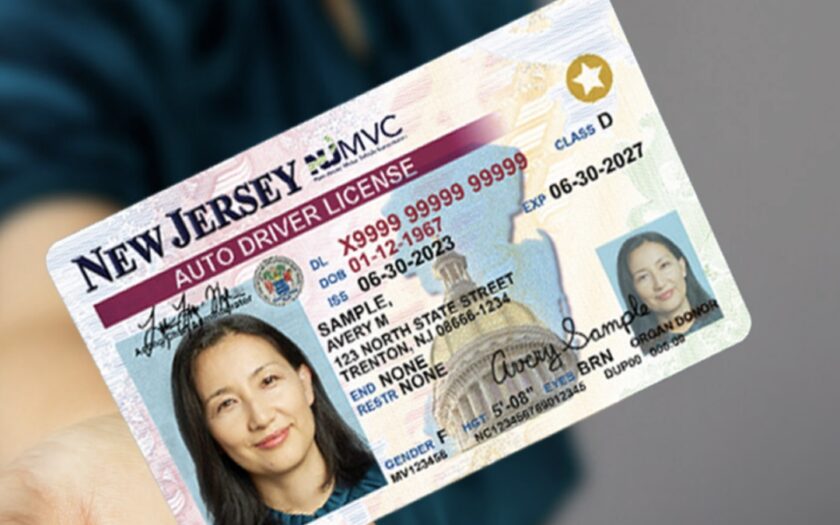
the licensing requirement but will still need to register their e-bike.
“It is having a disproportional effect also on e-bike riders, because a lot of e-bike riders are delivery workers, immigrants, seniors, disabled riders or low-income commuters,” Capo said. “It’s going to increase the amount of money that they have to spend.”
He said that while the intent of the legislation is to improve safety and reduce confusion around e-bike use, the practical impact could be felt most by those who depend on the vehicles for daily mobility and income.
Advocates for the bill, however, argue that clearer regulations are necessary as e-bike usage continues to grow across New Jersey, particularly in dense urban and coastal communities where bike traffic has increased alongside delivery demand and recreational riding.
Supporters say the updated framework is designed to address safety concerns involving higher-speed e-bikes sharing roads, boardwalks and bike paths with pedestrians and traditional cyclists, and to give municipalities better tools to enforce consistent rules.
The bill is part of a broader push by state lawmakers to modernize transportation policy as micromobility devices become more common in everyday travel.
State officials have said additional guidance for municipalities and riders will be released ahead of implementation to help clarify classifications, enforcement procedures and safety expectations under the new law.