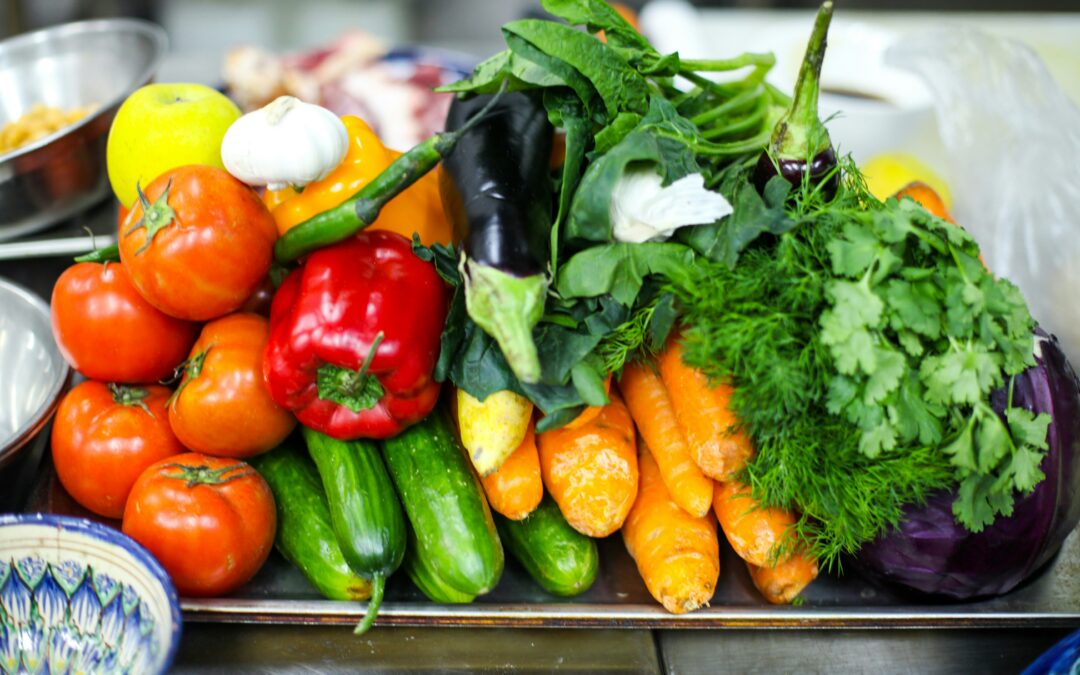
Eating local and seasonal foods has always been associated with fresher flavor, better nutrition, and environmental sustainability. But for people taking GLP-1 medications — drugs that may enhance satiety, slow gastric emptying, and support weight loss — local and seasonal eating offers additional metabolic advantages that can make the medication work even better. What better way to take advantage of living in The Garden State than to capitalize on the bounties in our own back yards? Here are seven reasons why these foods benefit one’s weight loss journey on GLP-1s.
1. Local, seasonal foods are naturally higher in fiber — a key GLP-1 synergy
GLP-1 medications slow digestion and increase fullness. Pairing them with high-fiber foods amplifies this effect. Seasonal produce tends to be harvested at peak ripeness, meaning it contains more fermentable fiber and resistant starch than produce that has been shipped long distances.
Fermentable fibers and resistant starches are especially important because they feed gut bacteria that produce short-chain fatty acids, which directly stimulate GLP-1–releasing L-cells in the gut.
This means seasonal foods don’t just complement your medication — they support your own GLP-1 physiology.
2. Better blood sugar stability through freshness
GLP-1 medications help regulate blood sugar by slowing gastric emptying and enhancing insulin release. Fresh, local foods tend to have higher nutrient density, lower glycemic impact, fewer preservatives or added sugars.
These qualities reduce blood sugar spikes, making it easier for GLP-1 medications to do their job. Fresh vegetables, whole grains, and legumes — especially when in season — provide slow-digesting carbohydrates that align with the medication’s mechanism of action.
3. Seasonal eating supports the gut microbiome — a major GLP-1 pathway
GLP-1 signaling is heavily influenced by the gut microbiome. Seasonal foods, especially those grown locally, contain diverse plant fibers and polyphenols that shift the microbiome toward species that produce beneficial metabolites.
Polyphenol-rich seasonal foods — berries, apples, greens, herbs — have been shown to enhance incretin responses and support GLP-1 activity.
Fermented local foods (yogurt, kefir, sauerkraut) further support microbial diversity and short-chain fatty acid production, which can enhance satiety and metabolic health.
4. Seasonal foods reduce GI side effects common with GLP-1s
Nausea, constipation, and slowed digestion are common when starting or increasing GLP-1 doses. Seasonal produce — especially leafy greens, squash, berries, and legumes — provides the gentle, soluble fiber that helps regulate digestion without overwhelming the gut.
Soluble fiber (oats, barley, legumes) is particularly helpful because it forms a gel that eases gastric emptying and reduces nausea.
Eating seasonally ensures you’re consuming these fibers at their freshest and most effective.
5. Local foods encourage mindful, slower eating — perfect for GLP-1 physiology
GLP-1 medications work best when meals are smaller, slower, and more intentional. Local and seasonal eating naturally encourages this. When you cook with fresh produce from a farmers’ market or CSA, meals tend to be simpler, more plant-forward, and more satisfying. This aligns with the medication’s appetite-regulating effects and helps reinforce new eating patterns.
6. Seasonal diets align with long-term weight maintenance
Research shows that GLP-1 medications are most effective when paired with sustainable lifestyle habits. Seasonal eating supports long-term weight maintenance because it reduces reliance on ultra-processed foods, encourages home cooking, increases vegetable and whole-grain intake and supports metabolic flexibility.
High-fiber, whole-food diets have been shown to naturally stimulate GLP-1 and related satiety hormones, making it easier to maintain weight loss after medication tapering.
7. Environmental, emotional benefits reinforce healthy habits
Eating locally connects you to your community, reduces environmental impact, and increases satisfaction with meals — all of which support long-term adherence to healthier eating patterns. Since GLP-1 medications reduce emotional eating by increasing satiety, pairing them with joyful, meaningful food experiences strengthens behavioral change.
Amanda Nahas Wilson, MSN, APN. Board Certified Psychiatric Mental Health Board Certified Adult-Gerontology Primary Care Integrative Mental Health Clinic. www.anwapn.com 609-992-5251