
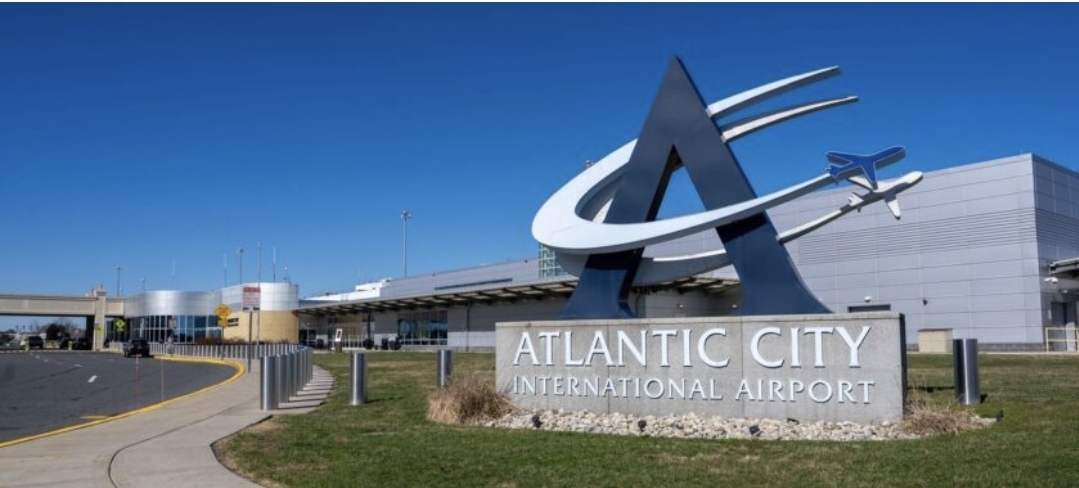
The future of Spirit Airlines is uncertain as the company navigates its second bankruptcy in less than a year. Following reports that liquidation is a possibility, discussions have emerged around a potential federal lifeline that could total as much as $500 million.
According to NBC News, the U.S. government could take a significant ownership stake in the airline — possibly up to 90% — as part of any deal reached after bankruptcy.
President Donald Trump has also indicated support for keeping the airline operating, noting that such aid could help preserve roughly 14,000 jobs, The New York Times reported.
Industry analysts say government support could help maintain competition in the budget travel sector, benefiting consumers, but may also raise concerns about the use of taxpayer funds, according to travel expert Clint Henderson of The Points Guy. As of Wednesday, April 22, no agreement has been finalized and the situation remains uncertain.
Without the financial support, the airline could potentially begin winding down operations as soon as this week, according to CNBC, citing sources familiar with internal discussions.
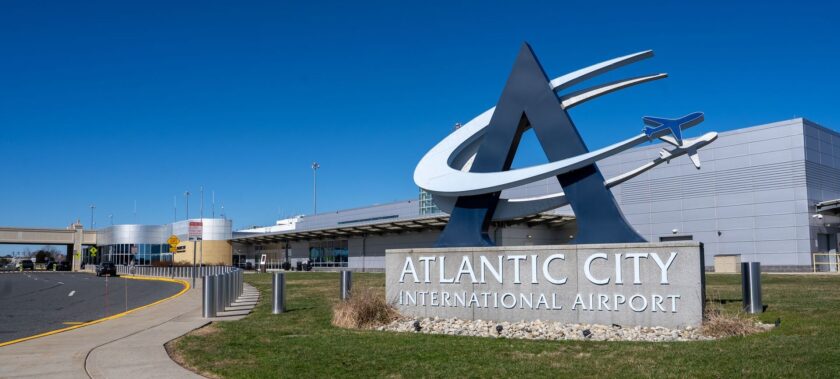
The Florida-based budget carrier — Atlantic City International Airport’s primary airline — has been working to stabilize its finances following its latest Chapter 11 filing in September 2025. The filing came after high operating costs and low travel demand created mounting losses.
Last month, its parent company filed a restructuring plan in bankruptcy court, signaling an effort to reorganize debt with backing from key lenders and positioning the airline to exit bankruptcy as early as this summer.
Despite those efforts, financial pressures continue to climb.
In recent weeks, fuel prices have surged amid geopolitical tensions, particularly following the outbreak of conflict involving Iran, significantly increasing operating expenses. Jet fuel, one of the airline industry’s largest costs after labor, has nearly doubled since late February, according to data cited by CNBC.
Analysts warn that sustained high fuel costs could further strain Spirit’s already fragile finances. A recent note from JPMorgan, reported by CNBC, projected deeper operating losses if prices remain elevated, potentially adding hundreds of millions of dollars in additional costs.
At the same time, competition has intensified. Rivals such as Frontier Airlines and JetBlue Airways have expanded service on overlapping routes, increasing pressure on Spirit’s core markets.
Spirit’s struggles have been apparent since the COVID-19 pandemic. Since then, the airline has faced a series of setbacks: rising labor costs, shifts in consumer preferences and an oversupply of domestic flights that drove down fares.
Its challenges worsened after a federal judge blocked its planned merger with JetBlue on antitrust grounds, and a recall involving Pratt & Whitney engines forced dozens of its Airbus planes out of service.
In an effort to stay afloat, the airline has taken aggressive steps to cut costs and reshape its business.
As reported by Philly Burbs, Spirit has reduced its fleet and route network, furloughed workers and negotiated pay concessions with employees and executives. Earlier this year, it also reached an agreement with creditors to significantly reduce its debt load.
For now, Spirit continues to operate while pursuing restructuring. But with rising costs, intense competition and ongoing uncertainty, its path forward remains far from certain.
The airline has not immediately answered Shore Local’s request for comment, but has told other outlets it does not comment on speculation.
Julia graduated from Rider University in 2024 with a BA in multiplatform journalism and minor in social media strategies. In addition to reporting on local news for Shore Local, she is a social media strategist for small businesses. Connect with her: shorelocaljulia@gmail.com or @juliatrain on Instagram.