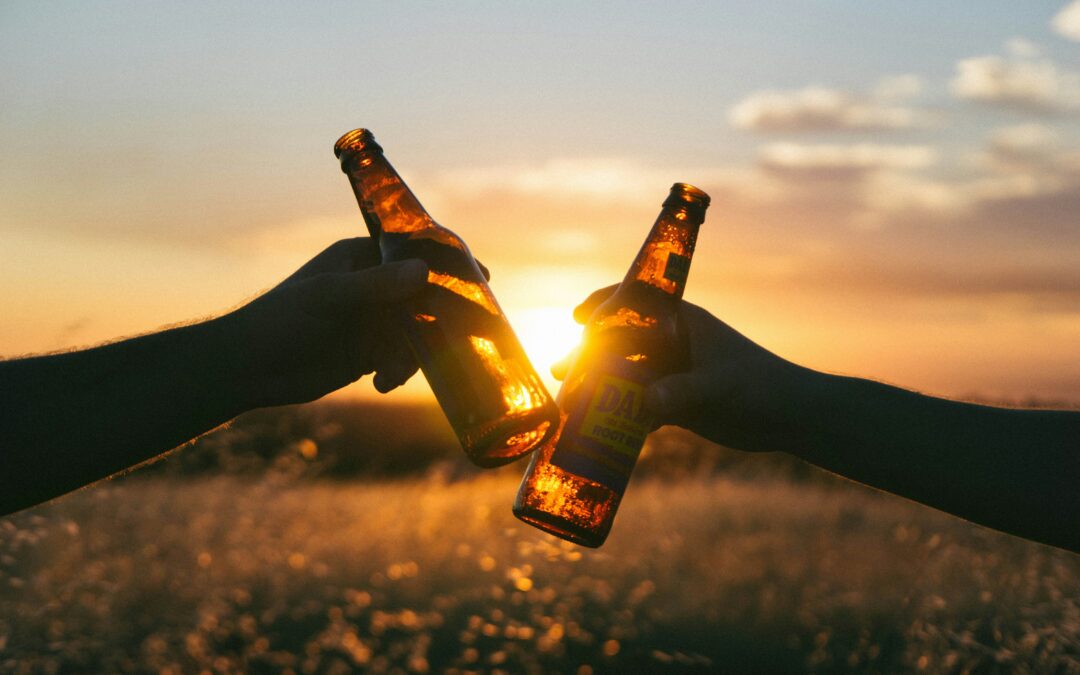
Most of us do not think of ourselves as big drinkers. It is just a glass of wine to unwind after work, a few beers at the game, or a round of cocktails at a birthday dinner. Still, those casual drinks can add up faster than we realize. April is Alcohol Awareness Month, a good time to take an honest look at something that has become a very normal part of everyday life. Alcohol is woven into celebrations, dinners out, girls’ nights, holidays, sporting events, and even the way we joke about getting through a stressful week. It may feel like a harmless way to relax or have fun. Because it is so socially accepted, it can be easy to miss when it starts to affect our health, sleep, mood, energy, or relationships.
One of the biggest misconceptions about alcohol is that if someone is functioning well, holding a job, keeping up with responsibilities, and staying out of obvious trouble, then there is no real problem. Yet alcohol does not have to create a dramatic crisis to have a negative impact. It can quietly chip away at our well-being in ways we may not immediately connect to drinking.
Many people reach for a drink to unwind, yet alcohol often works against a good night’s rest. It may make us feel drowsy at first, but it can disrupt sleep, cause us to wake during the night, and leave us dragging the next morning. If any of that sounds familiar, alcohol may be more of a factor than you realize.
Mood is another piece of the puzzle. While a drink might temporarily take the edge off stress, alcohol is actually a depressant. For some people, regular drinking can increase anxiety, irritability, or low mood over time, which matters even more when life is already busy or emotionally draining. The very thing people reach for as relief can sometimes leave them feeling worse.
Alcohol can add up in other ways, too. It contributes extra calories without much nutritional value, which can make weight management more difficult. It may also affect hydration, concentration, energy, and motivation the next day. Even moderate drinking can have a greater impact than expected, especially as we get older and our bodies and metabolism begin to change.
Medications are also worth mentioning. Alcohol does not always mix well with common prescriptions, including sleeping pills, anti-anxiety medications, antidepressants, pain relievers, and blood pressure drugs. Even some over-the-counter products can interact with alcohol in risky ways. For older adults in particular, alcohol can impair balance and increase the risk of dizziness and falls.
There is also the social side. Alcohol has become so automatic that opting out can feel awkward. There are plenty of times when my husband and I skip the drink order at dinner, and I almost always notice a flicker of surprise on our server’s face. There is an unspoken expectation that if you are not drinking, you owe someone an explanation, but you do not. Maybe you want to improve your sleep. Maybe you are watching your weight, managing medication, or simply want to feel better without it. Any of those is reason enough. When someone chooses not to drink, it is best to respect that personal decision without questioning it.
What makes this tricky is that drinking is often less about alcohol itself and more about what it represents. It can mean relaxation, fun, companionship, or the simple signal that the workday is done. For many, it has become a ritual, the nightly glass of wine while making dinner, Friday drinks with friends, or a cocktail on the patio because it feels like summer. These habits are not necessarily unhealthy, but they are worth noticing.
The good news is that there has been a real shift toward more mindful drinking. Some people are becoming “sober curious” or trying “Dry April,” not because they have a serious problem, but because they want to sleep better, feel better, and have more energy. Others are quietly cutting back, drinking only on weekends, skipping the second glass, or swapping in sparkling water now and then. Many are finding that even a small change makes a surprisingly big difference.
Alcohol Awareness Month is also a good reminder to pay attention to the warning signs. These may include drinking more than you planned, relying on alcohol to unwind, feeling defensive if someone mentions it, regretting how much you drank, or noticing that it is affecting your sleep, mood, or daily routine. Those signals may be telling you it is time to step back and rethink the role alcohol is playing in your life.
The most important message this month is not about going to extremes. It is simply about checking in with yourself. How do you actually feel after drinking, not just in the moment, but the next morning? Are you sleeping well? Do you feel clear, energized, and balanced? Or has alcohol become something that takes a little more than it gives?
Those are not always easy questions, but they are worthwhile ones.
If you want to cut back, it does not have to be all or nothing. Start small. Build in a few alcohol-free days each week. Alternate with water or seltzer. Choose the occasions that really matter instead of pouring a drink out of habit. Sometimes that shift in awareness alone is enough to move things in a healthier direction.
If alcohol has become more of a struggle, reaching out is a sign of strength, not weakness. A conversation with a doctor, therapist, or support group can be a powerful first step.
Awareness matters. Paying attention to your habits, honestly and without judgment, can lead to better choices, better health, and a clearer sense of how you want to feel. Alcohol Awareness Month is simply an invitation to do exactly that. Let’s make a toast to feeling better, sleeping more soundly, and showing up as our best selves, no glass required.
Robin is a former television reporter for NBC News 40. She currently hosts a podcast and radio program called Living Well with Robin Stoloff. It airs Sundays at 10 AM on Lite 96.9. You can email Robin at livingwellwithrobin@gmail.com