As reported in these pages and just about everywhere else, Atlantic City’s venerable Steel Pier, a part of the town’s entertainment landscape since 1898, is for sale. The Cantanoso family, owners of the Pier since 2011, bought it for $4.25 million and is selling it for $85 million.
Since its inception, the Steel Pier has been known for its many, one-of-a-kind features, with, perhaps, the famed high diving horse as its most fondly remembered attraction. But what is not talked about often enough was that the Steel Pier, from the early 1930s through 1976, was a haven for legendary big bands, some of them out-and-out jazz ensembles.
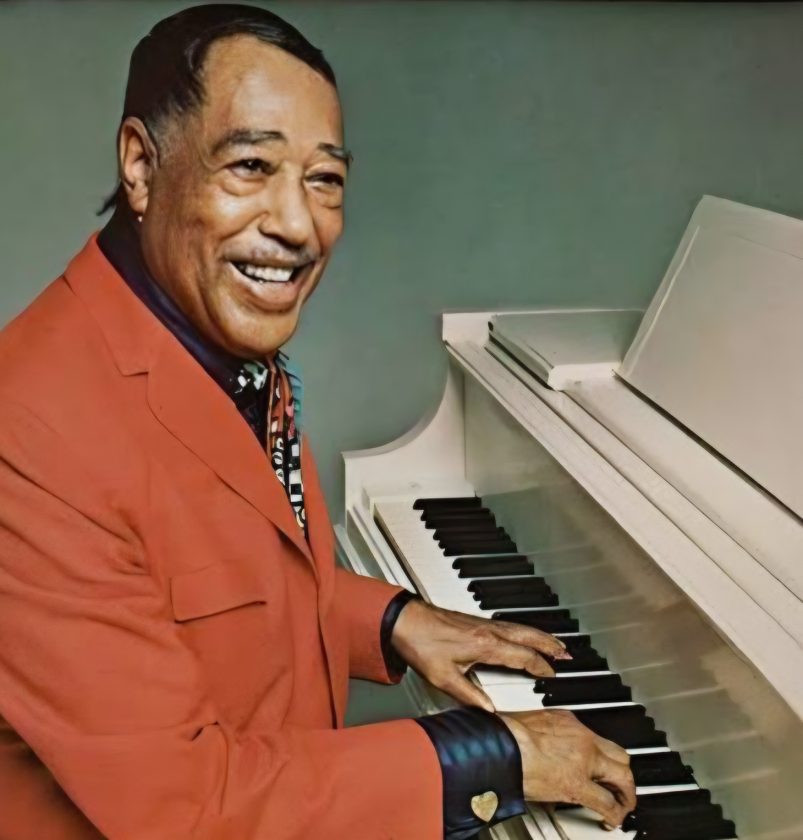
For a young, Philadelphia-based jazz fan and many other big band aficionados of all ages, the Pier was the closet spot to hear groups led by the likes of Gene Krupa, Stan Kenton, Duke Ellington, Maynard Ferguson, Woody Herman, and many, many others. George Hamid, who owned and booked the Pier for many years, just loved his big bands, whether they were sweet or hot, and kept featuring them until 1976, when Woody Herman, became the last big band to play the Pier.
Some of the bands made history at the Pier. When star drummer Gene Krupa left Benny Goodman’s band in March of 1938, the news made headlines all over the world. Less than a month after Krupa left The King of Swing’s band, he started his own ensemble and it premiered at the Pier’s Marine Ballroom on April 16 of that year. Those who were there say it was incredible. 4,000-plus people showed up, and Gene Krupa would continue to play the Pier with various-sized groups until 1967. Jazz drumming fans also got a rare treat in the summer of 1959, when Krupa rival Buddy Rich performed with a short-lived big band he put together in that summer.
Trumpeter Harry James was also a star of the Goodman band. He left BG to start his own group, but did not experience the immediate success that Krupa did. One of his first bookings as a bandleader was in the summer of 1939. James’ vocalist was a skinny youngster named Frank Sinatra.
Frank Sinatra: “In those days they used to run people in and out so fast that you barely had time to turn around between shows,” he said years later.
“Can you imagine that? Eleven shows a day? I remember one day I had just gotten a bottle of soda and a sandwich, and I was still up on stage; the curtain had just come down. I was hungry. I weighed all of about a hundred pounds back then. It was brutal then. But let me tell you something, I treasure those days.”
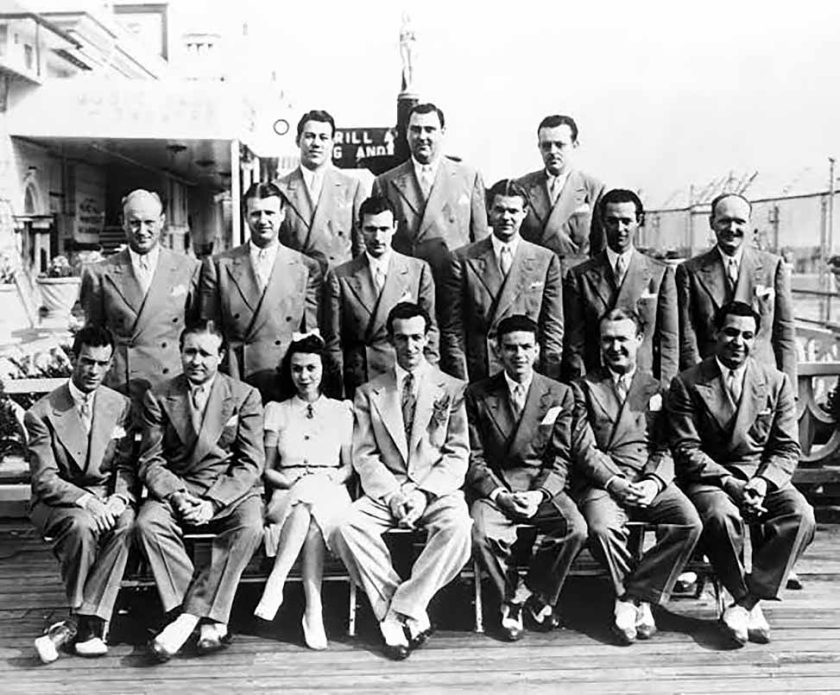
Mr. S. would return several years later with the Tommy Dorsey band, and as a solo act in 1951, when Sinatra’s career was in the doldrums. But Atlantic City and the Steel Pier loved Sinatra no matter what was happening in his career. His shows were mobbed that summer. James would return to the Pier several times over the years, notably on Easter weekend of 1946, when he drew an astounding 27,000 people to the Marine Ballroom.
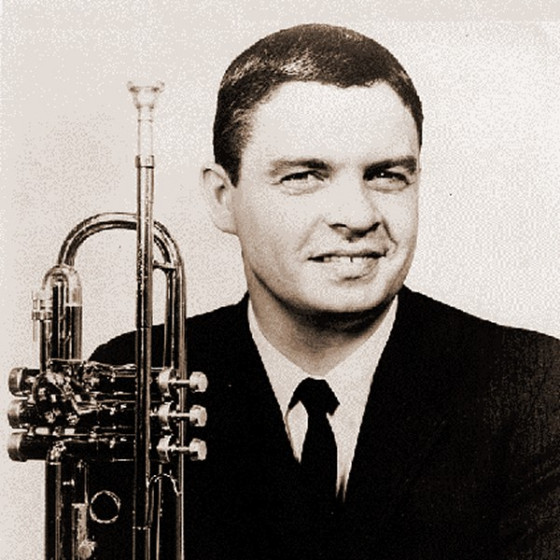
Another star of Benny Goodman’s legendary, 1930s group was trumpeter Ziggy Elman, born Harry Aaron Finkleman in Philadelphia in 1914. Around 1936, Elman was working for Alex Bartha, leader of the Steel Pier’s house orchestra. Goodman played the Pier in that summer of 1936, heard Elman with Bartha and was very, very impressed. Ziggy Elman became a member of Benny Goodman’s band that year and stayed until 1940, leaving a hit record — “And the Angels Sing” — in his wake.
On the jazz side of Pier bookings, high-note trumpeter and bandleader Maynard Ferguson first played the Pier in 1952 when he was a member of Stan Kenton’s band. When Maynard stepped out as a leader in the mid-1950s, one of his first bookings was in the Pier’s Marine Ballroom, most notably in 1957, when he played opposite Gene Krupa’s Jazz Quartet.
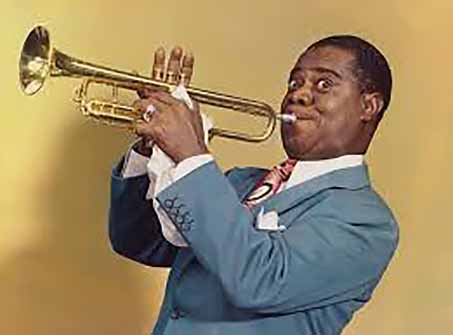
The Pier, for whatever reason, was slow when it came to booking African-American entertainers. In 1953, Louis Armstrong was the first black artist to headline at the Pier. Eight years later, Chubby Checker became the first black rock and roller to star there. Inexplicably, Duke Ellington, Count Basie, and Lionel Hampton, who had been mainstays in Atlantic City nightclubs like Club Harlem since the 1930s, were not booked at the Steel Pier until the 1960s and early 1970s.
The final years of the “original” Steel Pier, before it became the amusement park that it’s been since 2011, were sad, unfortunate, and in retrospect, inevitable. Pre-gambling Atlantic City continued its downward spiral, but the Pier stayed open and tried to continue in the same manner it always did.
In 1969, shortly after Tiny Tim announced his love for Miss Vicki from the Pier’s Music Hall Stage, a fire destroyed the Marine Ballroom, much of the Water Circus that hosted the diving horse, and other portions of the venue. The famed, General Motors exhibit, a mainstay at the Pier’s entrance for decades, closed down a year later. In 1971, George Hamid died at the age of 75.
Two year later, George Hamid, Jr. sold the Pier but leased it for two years. Despite remodeling and bookings that included the likes of Chuck Berry, The Bay City Rollers, and stars of television’s “Brady Bunch,” it was clear that the end was near. The crowds were no longer coming out to enjoy the bands, the diving horse, the movies, the talent show, the diving bell and all else that the Pier had offered for decades.
In 1978, the same year that Resorts International opened as the first legal casino in Atlantic City, the Steel Pier as we knew it closed down.
I’ve been writing about the history, the ups and the downs of the Steel Pier since 1978. It was a part of my growing up and an even more significant part of my learning experience as a jazz drummer. While the Pier’s future cannot be predicted, a Facebook contributor to the “Everything Atlantic City” group named Jason Buugz summed up my feelings about the possible sale — and likely the feelings of those who have decades of warm memories about the Pier — beautifully. “The second they unplug that Ferris wheel, all of the aura AC has left will be gone.”
Bruce Klauber is the author of four books, an award-winning music journalist, concert and record producer and publicist, producer of the Warner Brothers and Hudson Music “Jazz Legends” film series, and performs both as a drummer and vocalist.