A conversation with Melissa Laurino, marine scientist at the Cape May Whale Watch and Research Center
Coastal Conversations
From bottlenose dolphins to humpback whales, the waters off the Jersey Shore offer a remarkable window into the lives of marine mammals. Melissa Laurino, research director and captain at the Cape May Whale Watch and Research Center, spends her days studying these animals and helping visitors understand why protecting their ocean habitat matters. She shares what scientists are learning, the threats marine mammals face and one unforgettable encounter off Cape May.
AS: What sparked your interest in marine science, and how did that interest shape your education?
ML: I have always been interested in marine mammals, with killer whales and bottlenose dolphins igniting this passion at a very young age. That passion followed me and led me to pursue a bachelor’s degree in marine science and a master’s degree in data science from Stockton University.
AS: What is your role at the Cape May Whale Watch and Research Center, and what does a typical day on the water involve?
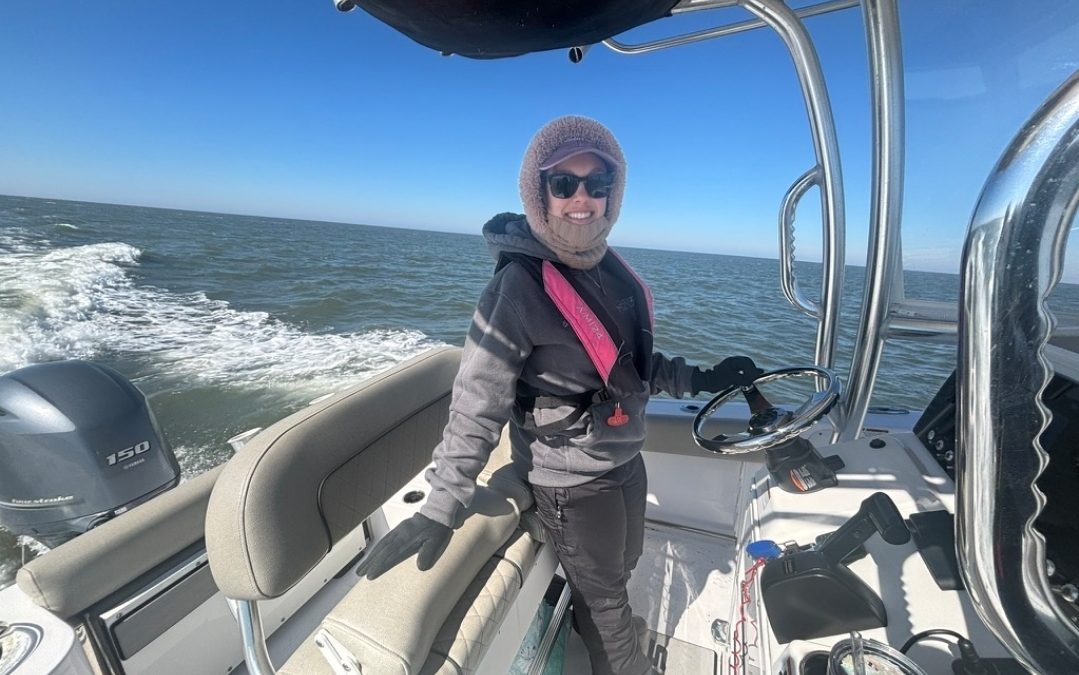
ML: I serve as the research director and a U.S. Coast Guard-licensed 100-ton master captain at the Cape May Whale Watch and Research Center. My primary responsibilities include overseeing our ongoing marine mammal research, curating our photo-identification catalogs and working alongside a team of dedicated scientists and research interns to collect and analyze our data.
AS: Which whales, dolphins and other marine mammals are most commonly seen near Cape May?
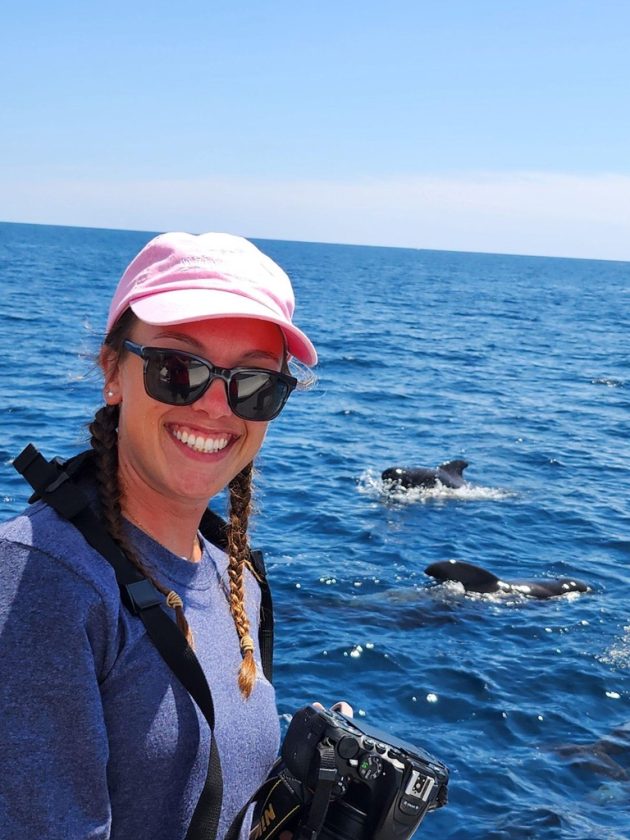
ML: Tamanend’s bottlenose dolphins (previously called Atlantic bottlenose dolphins) are the most common marine mammals off the Jersey Shore. We have documented 18 different species of marine mammals, including seals, dolphins and whales, in New Jersey’s nearshore and offshore waters.
AS: How does the center study and track marine mammals, and what has that research revealed?
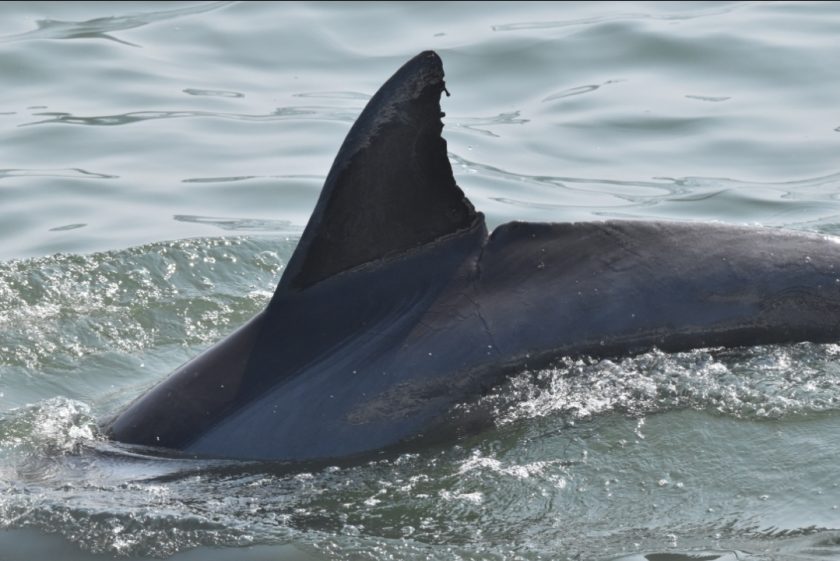
ML: One of the methods we use to study marine mammals is photo-identification, which allows us to recognize individual animals based on their unique markings. We have documented dolphins, humpback whales and fin whales returning to Cape May over multiple years.
AS: What is one of your most memorable encounters with a whale or dolphin?
ML: My first sighting of a critically endangered North Atlantic right whale happened in March 2021 off Cape May. The sighting was extra special because it was a mother-and-calf pair identified by the New England Aquarium as Binary and her 2021 calf.
AS: What are the biggest threats to marine mammals along the Jersey Shore, and how can the public help?
ML: The biggest threats to our marine mammals along the Jersey Shore include vessel strikes, entanglement in fishing gear, marine debris and human disturbances. Through our Clean Ocean Initiative at the center, we actively collect floating marine debris from our waters. We collect more than 100 balloons every season. We can all help protect marine mammals by viewing them safely and responsibly.
AS: How do whale-watching excursions help educate visitors about marine life and conservation?
ML: Since 1987, we have provided passengers with opportunities to experience marine wildlife in its natural habitat while learning about the importance of research and conservation. We share our ongoing research with passengers as we collect data and share the life histories of our local dolphins.
AS: What is most rewarding about your work, and what do you hope visitors take away from the experience?
ML: I hope that seeing marine life firsthand and meeting our local dolphins inspires people to take an active role in marine conservation.
Thank you to Melissa for sharing her knowledge and enthusiasm and for inspiring others to protect our oceans and the remarkable animals that inhabit them.