While there’s no doubt that Atlantic City 500 Club is the most famous nightspot in the city’s history, there were other clubs in the boardwalk area through the years that, at least for a time, rivaled the 500 in terms of popularity and notoriety. However, clubs like the Dude Ranch, Hialeah Club, and Yacht Club are long forgotten. The 500 Club is anything but.
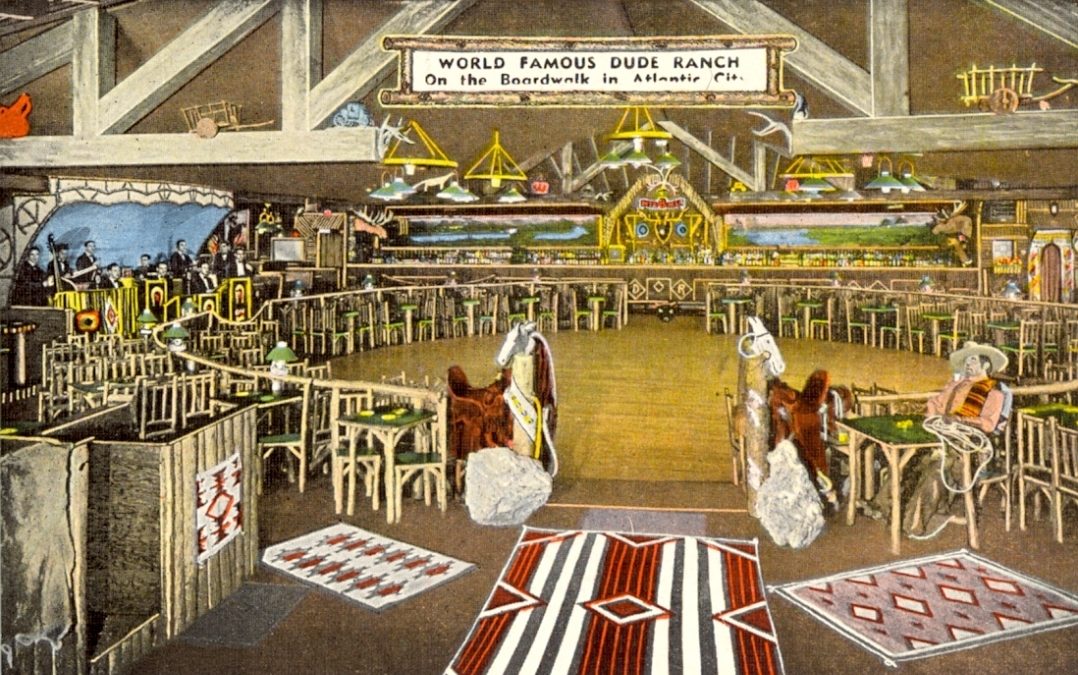
The Dude Ranch, on the Boardwalk at Connecticut Avenue, was the first—and the only—country and western bar and restaurant to operate in the city. Run by entrepreneur Ben Coty, the Ranch was open from the mid-1930s through the 1950s. It had, of course, a flamboyant western motif throughout and a gigantic dance floor. The Ranch booked name attractions from time to time and in 1954, no longer able to fill the Steel Pier, Louis Prima and Keely Smith performed there, shortly before they ventured to Las Vegas and became big stars.
The Hialeah Club, at the Boardwalk near Michigan Avenue, was also in operation from the mid-1930s through the mid-1960s. During its long history, this club presented entertainment that ranged from drag shows to country music to jazz. In 1962, early rock guitarist Duane Eddy appeared at the club. The following summer, the Hialeah went the jazz route and booked Lionel Hampton, the Four Freshman, Louis Armstrong and George Shearing.
Babette’s was one of the earliest and most spectacular of Atlantic City nightclubs where illegal gambling was rampant. On Pacific Avenue and just across from Boardwalk Hall, the club opened in the early 1920s, and was sold in 1950. It then became the Yacht Club and big names appeared there from time to time, including a stint by Pearl Bailey in the summer of 1951. The building was torn down in 1955.
Le Bistro, at Missouri and Pacific Avenues, tried to compete with the neighboring 500 Club, and in the summer of 1963, the club presented singers Jack Jones and Della Reese, as well as pianist Mike Longo’s trio. The club lasted, without name bookings, into the early 1980s.
Jazz aficionados of a certain age in this region are likely aware of the iconic Club Harlem, Grace’s Little Belmont, Wonder Gardens, and Club Paradise, but some enterprising folks on Facebook have discovered the existence of several other jazz clubs, previously undocumented in any history of jazz or Atlantic City.
The most impressive of these nightspots was called Mack’s Musical Tavern, on 132 New York Avenue. Mack’s, which advertised itself with the catchphrase “where the stars are the brightest,” was in operation for several years in the 1950s. Owners were listed as Lawrence E. McCall and Frank Williams. This was a full-scale operation, in that it had an adjoining liquor store, a popular Sunday afternoon jam session that ran from 5 to 8 pm., and live radio broadcasts direct from the club via WMID.
Lawrence McCall was likely the one responsible for bringing in the stellar lineup of jazz stars, which included Dizzy Gillespie, Errol Garner, Art Tatum, Carmen McRae, and most surprisingly, circa 1953, Oscar Peterson, then on brief hiatus from touring worldwide with the Jazz at the Philharmonic troupe. McCall was well connected in the jazz world, in that he was partners with Bob Bell, who ran the Wonder Gardens, a club that booked jazz almost continuously from 1929 to around 2000.
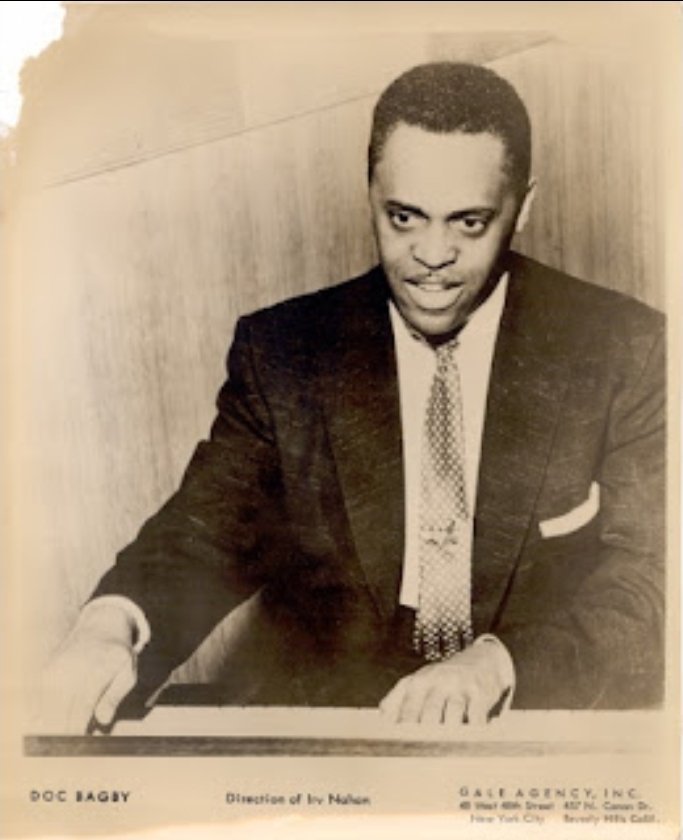
Not a lot is known about Sarge’s After Hour Room, on 117 North South Carolina Avenue, which was open for several years, beginning in the early 1950s. We can only surmise via vintage newspaper ads that Sarge’s was attempting to compete with several area jazz clubs, like Grace’s Little Belmont, that focused almost exclusively on booking jazz organists. Sarge’s biggest booking was organist Doc Bagby, a Philadelphian active in recording and producing rhythm and blues artists.
Another little-known spot open in the 1950s was Joe Morgano’s Welcome Bar, at 2203 Atlantic Avenue. If Morgano’s is remembered at all, it’s for the booking of one of the few, female jazz trumpeters, Norma Carson. Those who heard Carson through the years say she was a world-class player who more than held her own next to brass giants like Clark Terry.
Harold Abrams was well known in the city. He owned the Paradise Club, which merged with Club Harlem in 1954, was the general manager at the 500 Club for years, and also owned Harold’s Club and a venue called Basin Street. Basin Street, at 5 North Illinois Avenue, wasn’t in operation long — it was open from the late 1950s through the early 1960s — but Abrams used his connections to bring in national acts like Lambert, Hendricks, and Bavan (Yolande Bavan had replaced Annie Ross in the famed, jazz singing trio) in the summer of 1963.
The Midtown Bar at 1719 Pacific Avenue became known nationally as the place where future star Nina Simone had one of her first professional jobs in the summer of 1955. Hired as a pianist at first, she was convinced to sing as well — which she reluctantly did — and the rest is history.
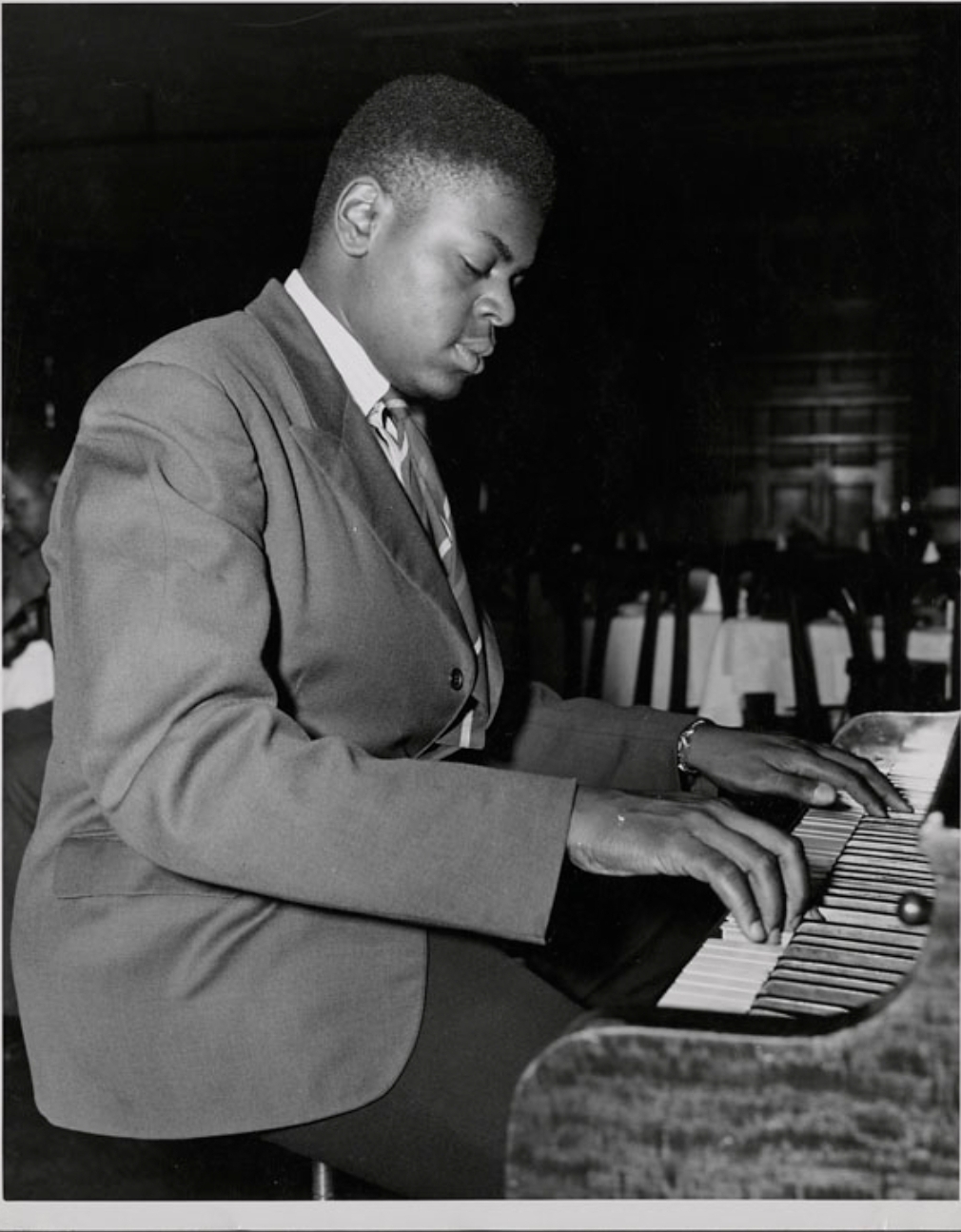
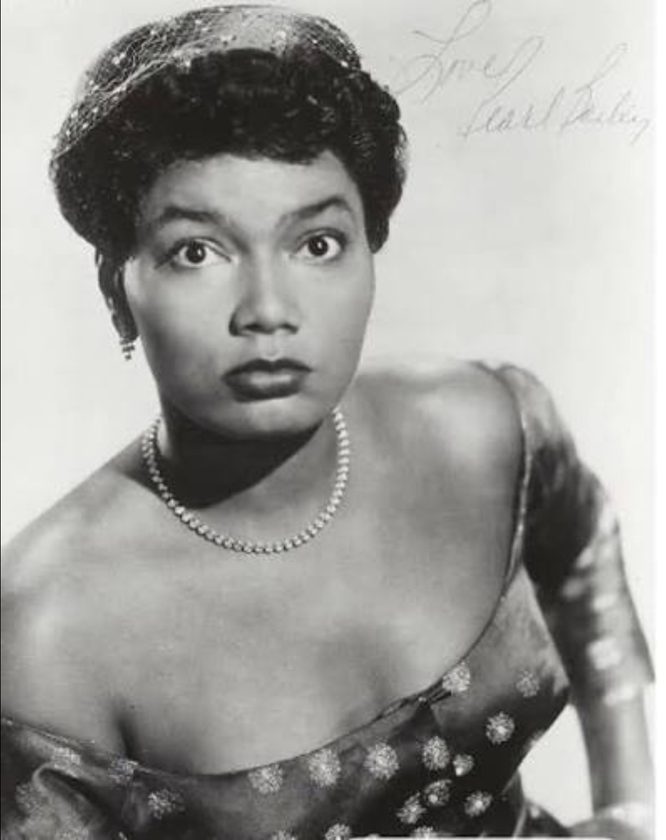
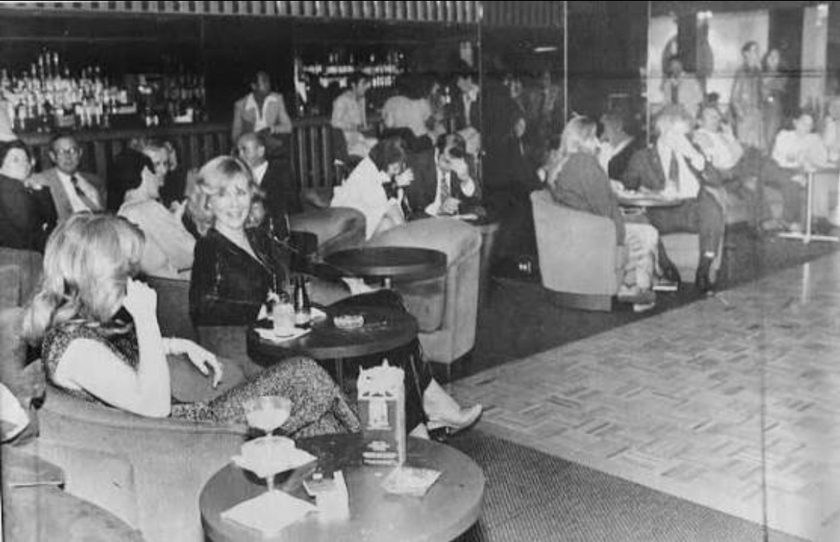
Though the New York Times named Atlantic City’s All That Jazz club in a 1982, “places to go in Atlantic City” feature, noting the club’s all-glass interior and attractive photos of the stars of jazz, not much is known about the venue at 2405 Pacific Avenue. In talking to people who performed there, notably bassist Andy Lalasis, the sense is that All That Jazz was an after hours spot where those playing in casino house bands could meet, connect, hang and jam after their regular gigs were over. After its closure, the property briefly opened as something called City Lights, and later on, rather infamously, had a new and long life as the Delilah’s Den Strip club.
Atlantic City has always been a jazz town, though the emphasis these days has shifted from nightclubs to jazz festivals. But I doubt if we’ll see anything approaching the 1950s for jazz, when on any given night, legends like Dizzy Gillespie, Oscar Peterson, Pearl Bailey, Wild Bill Davis and dozens of other icons could be heard performing nightly.
Bruce Klauber is the author of four books, an award-winning music journalist, concert and record producer and publicist, producer of the Warner Brothers and Hudson Music “Jazz Legends” film series, and performs both as a drummer and vocalist.