Coastal Conversations
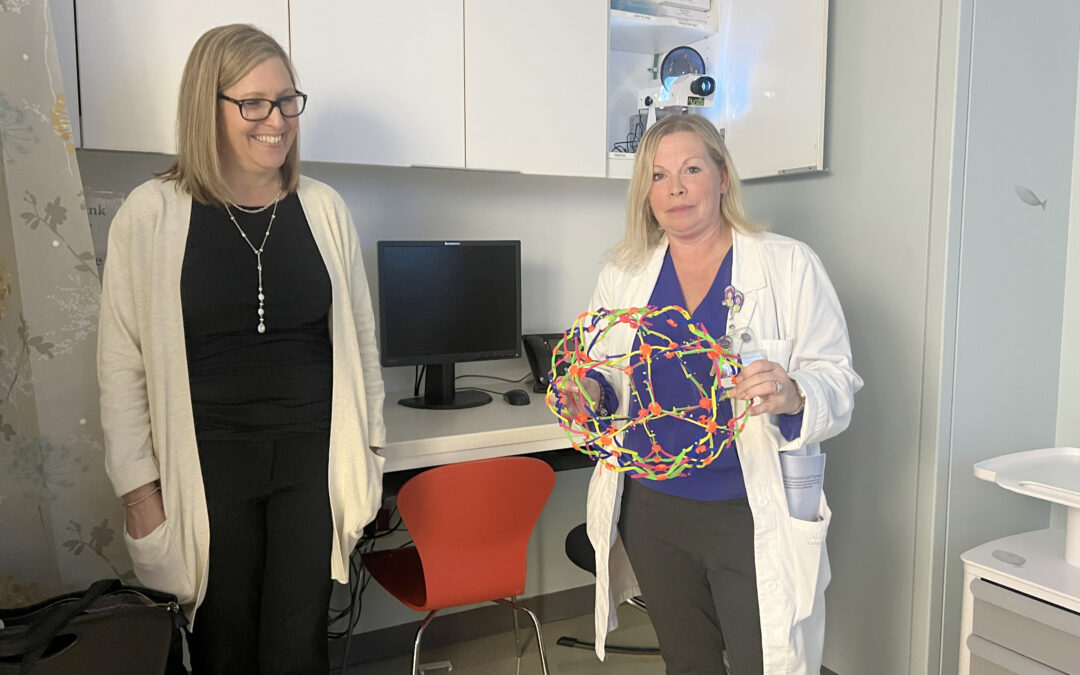
Sherri Richmond, MSN RN EMT, has plenty of letters after her name as proof of years of education and training. But ask anyone who’s worked alongside her, and they’ll tell you what those letters don’t capture: a career spent making healthcare feel human. She’s built her work around expanding access to quality care and meeting patients where they are as their needs change.
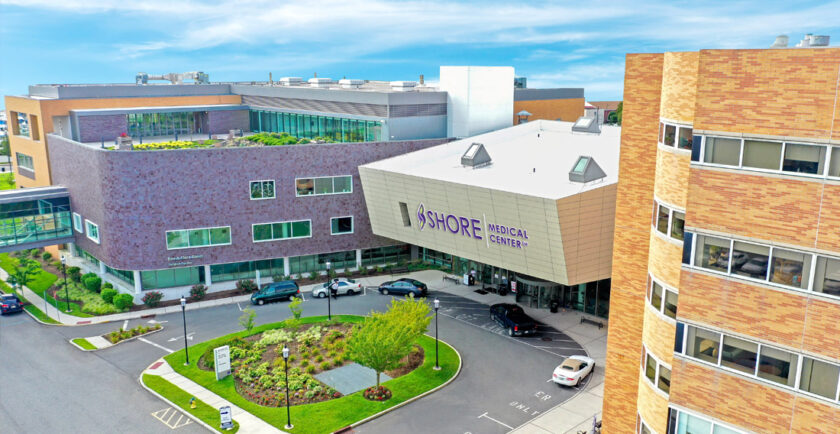
As administrative director at Shore Medical Center, she’s focused on something simple but not always easy: making sure every patient’s experience feels personal. That includes Shore Medical’s sensory-friendly initiatives, designed for patients who experience sound, light or touch differently, from dimmed lighting to noise-reducing headphones to extra time and patience built into a visit. Sherri joins me to talk about that work, along with her broader vision for healthcare leadership and community partnership across South Jersey.
AS: Can you share a little about your background and what led you to your role with Shore Medical?
SR: I came to Shore about 10 years ago as a house supervisor and immediately fell in love with the culture here. When the leadership position in the Emergency Department became available, I applied because emergency medicine has always been my background. I was honored to be selected for the role.
AS: What led to Shore’s sensory-friendly care program?
SR: One of the best parts of working at Shore is meeting people from all walks of life. We care for a very diverse community, and every patient has unique needs. One of the most impactful moments came in 2019 when our pediatric nurses approached me and said we needed to improve how we cared for neurodiverse patients. Together, our team began researching best practices and developed a proposal to create what has become our sensory-friendly care program. That effort really reinforced the importance of listening to frontline staff and partnering with the community to improve patient care.
AS: How did the partnership with Atlantic County Special Services School begin?
SR: When we started researching sensory-friendly care in 2019, we quickly realized we needed expert guidance. One of our pediatric nurses had a family connection to Atlantic County Special Services School, which led us to Jen Cruickshank, supervisor of CST/Related Services at Atlantic County Special Services School District. From that point on, Jennifer and the team at Atlantic County Special Services School have been with us every step of the way. We consult with them regularly on patient care, and they’ve helped us design our sensory-friendly rooms, develop communication storyboards and determine the best patient flow throughout our departments. Their partnership has been invaluable.
AS: What accommodations and resources are available for neurodiverse patients?
SR: We offer a call-ahead program for both adult and pediatric patients who are neurodiverse. Families can contact our Emergency Department before arriving and speak with the clinical supervisor. We’ll prepare for their visit ahead of time, designate specialized parking, meet them outside and escort them directly into a patient room so they can avoid the waiting area. We have a wide variety of resources designed to reduce stress and anxiety. We use storybooks and visual teaching boards developed with Atlantic County Special Services School, as well as tablet-based communication tools, weighted blankets, fidget toys, sensory balls and other calming tools. Each room also includes a television and a distraction lighting system with interchangeable images, including fish, ocean scenes, space themes and other calming visuals.
AS: How does sensory-friendly care improve the healthcare experience?
SR: When families see that our staff understands how to care for neurodiverse patients, it builds confidence and trust. That makes communication easier and often allows us to complete important tests, whether that’s lab work, X-rays or CT scans, with much less stress. Ultimately, it helps patients, parents and caregivers actively participate in care and leads to a much better overall experience.
AS: How has the community responded?
SR: The community has embraced the program. Our local EMS providers have participated in continuing education on caring for neurodiverse patients and now carry sensory boxes on ambulances serving communities including Egg Harbor Township, Sea Isle City and Upper Township. Our Community Advisory Committee also plays a tremendous role in guiding our work. It includes representatives from Atlantic County Special Services School, Autism New Jersey, Somers Point Police Department, Ocean City Police Department, hospital leadership and community members who help ensure we’re continually improving the program.
AS: Can you tell us about the sensory-friendly outpatient testing program?
SR: Through conversations with parents and caregivers, we learned that obtaining routine blood work was one of their biggest challenges. Many families delayed important laboratory testing because they were concerned their loved one would have a negative experience. We launched our sensory-friendly outpatient laboratory program last June. As of this interview, we’ve successfully completed 58 lab draws for neurodiverse patients. Having this specialized program has made a tremendous difference, and it’s very possible that many of those patients would not have received the testing they needed otherwise.
AS: Why is recognizing each patient’s unique needs important?
SR: It’s simply the best practice in healthcare. Every patient has unique medical, psychological and emotional needs. When we understand those needs, and the needs of their caregivers, we’re able to provide truly personalized care. That results in better communication, a better patient experience and ultimately better outcomes. While our sensory-friendly program focuses on neurodiverse patients, that philosophy applies to every patient we care for at Shore Medical Center.
AS: Where can patients and families learn more?
SR: Families interested in our sensory-friendly outpatient testing program can call 609-653-3737 to schedule an appointment. Patients who would like to use our sensory-friendly Emergency Department call-ahead program can contact us at 609-653-3558 before arriving.
Sherri Richmond’s work at Shore Medical demonstrates how listening to patients, families, and frontline staff can lead to effective changes in healthcare. Through sensory-friendly initiatives and community partnerships, Shore continues to create a more welcoming experience for patients with different needs. Thank you to Sherri for sharing her time and perspective with Coastal Conversations.
Coastal Conversations highlights people in our community who are making a meaningful impact. If you know someone who would be a great fit for a future column, please contact me at ShoreCoastalConversations@gmail.com.
From the shore to your door, let’s keep the conversation going.