
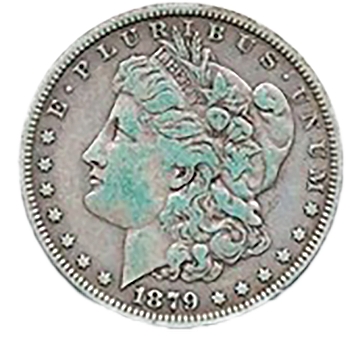
No matter what you collect or its value, you want to make sure it survives your ownership intact to be passed on to the next generation. This involves proper storage and, in some cases, individual protection against improper handling, including accidental drops.
Each type of collectible has its own special considerations, although environment is a common denominator for all. Storing collectibles in the attic, basement, garage or even a closet without climate control should be avoided, as humidity and extremes of heat and cold can damage or ruin many collectibles.
Coins, although made of sturdy metal, have their enemies that can degrade their condition and value. Obviously, I’m not concerned about run-of-the-mill coins, but rather more valuable ones that are either rare or in unusually high grades. The choice of which coins to protect is a personal one, but here is how to go about it.
First, coins should be stored individually to avoid rubbing against other coins, which can leave marks or scratches. Second, they should be stored in protective containers that minimize exposure to air and moisture, which can contribute to tarnishing and affect their appearance and condition.
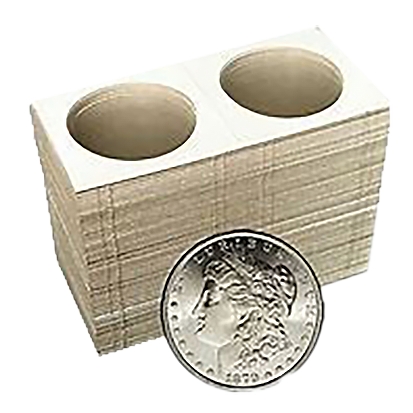
Coin holders have evolved over time. Traditionally, coins were placed in what are referred to as 2-by-2 holders, made of cardboard with a window of inert Mylar sized to accommodate the coin. The coin is placed in the holder, and the two halves are folded over and stapled or taped together.
Two major problems with this method are that the sides can allow air to enter, causing tarnish, and, worse, if a pinhole develops over the coin, exposure to air and contaminants can cause discoloration.
A supposed improvement was the introduction of a 2-by-2 vinyl “flip” with pockets on each side, one for the coin and one for a card describing it. The holder could be folded to display the coin over the card.
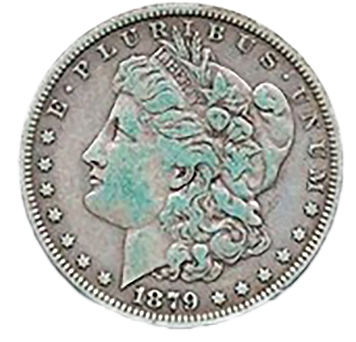
Over time, a problem developed when plasticizers in the polyvinyl chloride, or PVC, holders began to break down, causing an ugly green film to form on the coin. These chemicals were used as softening agents, making the flips pliable.
An improvement eliminated the softening agents, resulting in a more brittle but safer storage option. Soft vinyl flips are still used but are recommended for short-term use only. Anyone with coins in these holders should watch closely for signs of film forming and consider switching to PVC-free flips.
Coin albums are another way to store and display coins, but they, too, have their limitations. Basic push-in albums are suitable for common, inexpensive coins, as one side is exposed to air and the other may be exposed to acids in the paper or cardboard.
More expensive window albums allow both sides of the coins to be displayed through protective plastic sleeves. Higher-quality albums are also made with acid-free materials.
Protective plastic holders that minimize air exposure are recommended for long-term storage, and special chemically inert holders have been developed. With very rare coins, having them professionally graded and authenticated offers the added benefit of the grading service placing them in a sealed, inert plastic holder, providing additional protection against environmental damage and improper handling.
Douglas Keefe and his wife, Linda, own Beachcomber Coins and Collectibles at 6692 Black Horse Pike in Egg Harbor Township. It is their only location.