Every summer, families return to Ocean City just like their parents and grandparents before them. They come for the Boardwalk fries, for mornings on the beach and evenings on Asbury Avenue, for bike rides at sunrise and the familiar feeling of crossing the Ninth Street Bridge to kick off summer vacation.
But what keeps people emotionally connected to our town year after year is not just the beach itself. It’s our storied sense of place. Our Boardwalk remains one of the most iconic in America, not because it’s flashy or overbuilt, but because it still feels unmistakably like nothing else; it’s just Ocean City. That’s exactly what National Historic Preservation Month this May celebrates. Generations of families remember the Music Pier concerts, Manco & Manco pizza (many still call it by its former name), Playland’s Castaway Cove, Johnson’s popcorn, and evenings spent walking the boards under the lights.
Historic preservation is often framed as nostalgia, but in communities across the country, it has also become one of the strongest drivers of tourism and long-term economic value. Places like Charleston, Savannah, Newport, and Cape May have shown that visitors are increasingly drawn to destinations with authentic character and a visible connection to their past. Driven by market fatigue with the hyper-curated Instagram aesthetic, “authentic” has evolved from a mere travel buzzword into a high-value economic asset that directly commands premium tourism dollars. Cape May may be the best local example. Its preserved Victorian homes, historic hotels, walkable streets, and recognizable architecture have become central to its identity and economy. Visitors go not only for the shoreline, but for the experience of stepping into a place that feels warm and timeless.
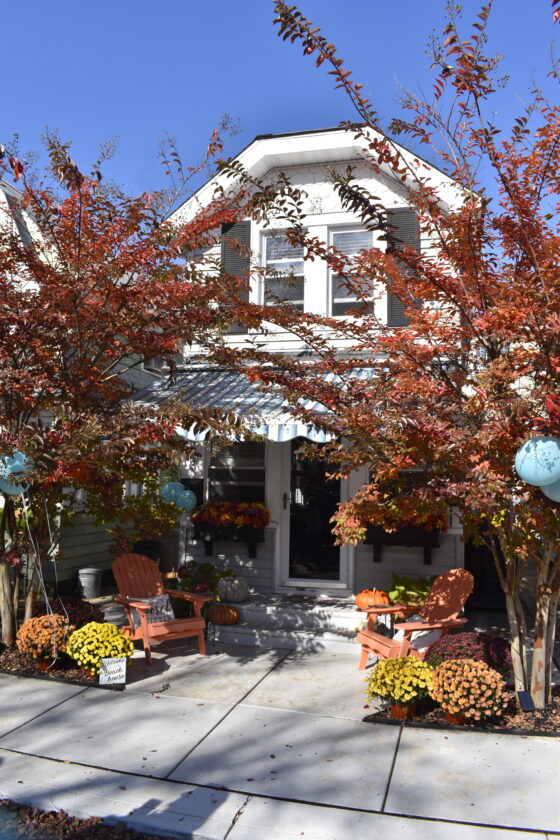
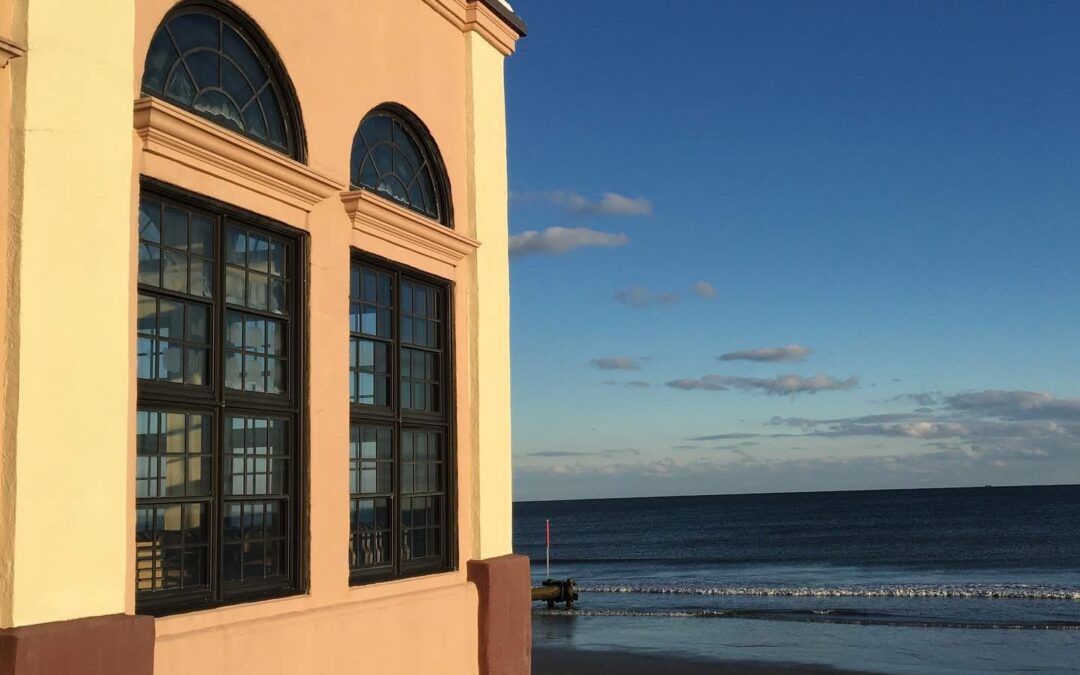
Ocean City has those same ingredients. In an era where so many shore destinations are beginning to look interchangeable, Ocean City’s traditional neighborhoods, front porches, family-owned businesses, and walkable streets still create a sense of continuity. The Music Pier itself, now more than 95 years old, is one of the city’s great historic landmarks. So are treasures like the Ocean City Tabernacle, the Flanders Hotel, and the pockets of historic cottages and early shore architecture still scattered throughout town.
Visitors may not always consciously think about preservation when they arrive, but they absolutely notice the feeling it creates, and this unique character gives communities something increasingly rare: authenticity.
For many families, shore homes also become gathering places that anchor generations together. They’re where cousins reconnect, grandparents host dinners, and lifelong summer traditions continue year after year.
I was reminded of that when my own family’s century-old home in Ventnor’s St. Leonard’s Tract, held by my family for 45 years, was demolished. For decades, it served as our central meeting place. Siblings, relatives, and friends would convene there naturally throughout the summer, with no plans needed. Once it was gone, those spontaneous gatherings became much harder. For me, it’s a reminder that houses are more than structures. They enable memories, traditions, and connections.
Historic buildings and preserved neighborhoods help maintain the emotional connection people have to a place. They create familiarity, stability, and identity. These things matter to both visitors and homeowners.
Preservation also plays an important role in protecting property values. Across the country, historic neighborhoods often remain highly desirable because buyers are investing in more than a single house. They’re investing in the character of an entire neighborhood. Stroll-friendly streets, beautiful old homes, welcoming front porches, tall trees, and diverse architecture all contribute to one-of-a-kind character.
That’s not to say preservation means freezing Ocean City in time. Communities evolve, and thoughtful redevelopment will always be part of the island’s future. But successful preservation asks an important question: How can we grow while still protecting the qualities that make people want to come here in the first place, qualities that, once lost, can never be replaced?
Ocean City’s history is not just something to admire in old photographs. It remains one of the city’s greatest and unique advantages; a living place with stories, traditions, architecture, and landmarks that people can’t find anywhere else and return to again and again. As Preservation Month reminds us, more and more communities are recognizing that historic character is not an obstacle to economic and future success; it’s the secret to it.