
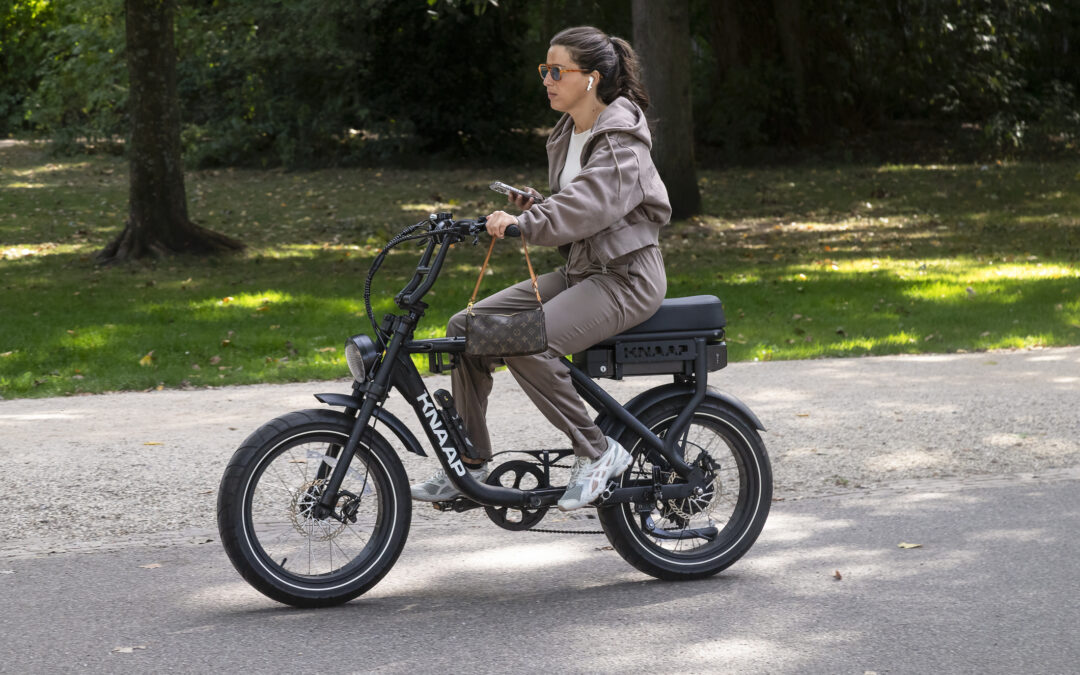
They’re parked outside ice cream shops, cruising through campgrounds and rolling down streets in nearly every Jersey Shore town. E-bikes have become one of the fastest-growing ways to get around, but New Jersey is now putting the brakes on their rapid rise with a sweeping new law that will affect riders across the state.
The new state law signed earlier this year is changing how e-bikes are regulated, requiring many riders to obtain licenses, register their bikes and carry insurance. Supporters say the law is a necessary response to safety concerns and a growing number of crashes involving high-speed electric bikes. Critics argue the regulations go too far and could discourage people from using an environmentally friendly mode of transportation.
With the enforcement deadline cited for July 19, here’s what you need to know.
What’s changing?
Under the new law, New Jersey is treating e-bikes more like motor vehicles than traditional bicycles. Riders must meet several new requirements before operating an e-bike on public roads and public spaces.
According to the New Jersey Motor Vehicle Commission, riders must be at least 15 years old and possess either a valid driver’s license, an e-bike license or an e-bike permit. E-bikes must also be registered with the state and covered by insurance. Additionally, all riders, regardless of age, are required to wear a helmet while operating an e-bike.
The law took effect in January but includes a grace period before full enforcement begins in July. Riders who have not completed the licensing, registration and insurance process by the deadline could face penalties.
Why Lawmakers Acted
State officials point to increasing concerns over e-bike safety as the driving force behind the legislation.
Across the country, communities have reported more crashes involving electric bicycles as their popularity has exploded. National data show e-bike injuries have risen significantly over the past several years, prompting lawmakers in multiple states to consider stricter regulations.
In New Jersey, lawmakers cited concerns about speeding, rider behavior, and the growing presence of powerful electric bikes that can travel at speeds well above those of traditional bicycles. The legislation also establishes new reporting requirements for e-bike crashes.
Why some riders are pushing back
The law has sparked intense debate among cycling advocates, transportation groups and e-bike owners.
Opponents argue that New Jersey’s approach is among the most restrictive in the nation. They contend that low-speed pedal-assist bikes should not be regulated the same way as higher-powered electric vehicles. Several bicycle advocacy organizations have warned that licensing, registration and insurance requirements could create financial barriers for residents who rely on e-bikes for transportation.
Some critics also note that many people use e-bikes because they cannot drive or choose not to own a car. Requiring a driver’s license or special permit, they argue, could limit mobility for seniors, lower-income residents and people with disabilities.
Despite the opposition, the law remains in effect as state agencies continue rolling out implementation details.
What parents should know
For many South Jersey families, the biggest impact may be on teenagers. Under the new rules, children younger than 15 may no longer legally operate an e-bike in New Jersey. Riders ages 15 and older must meet licensing or permit requirements before legally riding.
Parents should also be aware that helmets are now mandatory for every e-bike rider, regardless of age. That requirement extends beyond previous regulations, which primarily focused on younger cyclists.
Safety experts encourage parents to take an active role in educating young riders. Families should review traffic laws together and establish clear expectations about where e-bikes can be ridden safely. Parents should also regularly check that bikes have functioning lights and brakes and remind riders that e-bikes can travel much faster than traditional bicycles. Extra caution is especially important in crowded areas such as boardwalks, parks and shared-use paths, where pedestrians, cyclists and vehicles often mix.
Many Jersey Shore communities already have local regulations governing bicycles, scooters and other personal transportation devices on boardwalks and public pathways. Before heading to a beach town this summer, parents may want to review local ordinances to ensure their children are riding legally and safely.
Looking ahead
As summer begins and shore towns welcome millions of visitors, the new law is expected to become a major topic of conversation among riders, parents, police departments and local officials.
Whether viewed as a long-overdue safety measure or an overreach of government regulation, one thing is certain: New Jersey’s e-bike landscape is changing quickly.
For residents who own an e-bike, now is the time to review the new requirements, gather necessary documentation and make sure they’re ready before enforcement ramps up.