
Letter from the editor
When my children were growing up, the end of summer and start of a new school year brought a noticeable change. With three kids close in age, our house was already full of activity, noise and emotion. Back-to-school season, with all its changes, turned up that volume.
When summer’s relaxed rhythm gave way to alarm clocks, bus schedules, packed lunches, homework and the rush to get everyone out the door, emotions ran high in our house. There were new teachers, unfamiliar classrooms and changing friendships.
When behaviors inevitably arose, I focused on what I could see: the argument that needed to end, the raised voice that needed to come down or the child who needed to get ready. There was rarely time to consider what might be driving the behavior.
Looking back, there are moments I wish I could revisit. I would listen more closely, pause before responding and try harder to understand the feeling beneath the reaction. But parenting does not offer do-overs. We make decisions in real time, often while overwhelmed ourselves. Most of us do the best we can in the situation.
“Emotional regulation” was not a term I heard often when my children were young, but I wish it had been. It is essentially emotional intelligence — the ability to recognize a feeling without allowing it to take control. It does not mean ignoring anger, sadness, anxiety or frustration. Rather it’s creating space between the emotion and your response. It often helps you make a better choice.
That sounds simple, but it can be difficult for children and adults alike. Yet, it is critical for maintaining relationships, both personally and professionally.
Over the years, I learned that behavior was only part of the story. Anger could be covering anxiety. Defiance could grow from frustration. A meltdown might have less to do with what had just happened and more to do with exhaustion, disappointment or a change that felt overwhelming. Every strong reaction comes from a raw feeling. Those reactions usually make things worse.
Feelings, like clouds, are always moving and changing. Some are light and pass quickly. Others arrive dark, heavy and feel as though they will remain forever. But then, the clouds shift, change shape and eventually move on. Feelings do the same.
Not every emotion needs a response. Sometimes it simply needs to be noticed and given room to pass.
Mindfulness has helped me pause, look beyond the words and consider what may actually be happening.
I still do not get it right every time. None of us do. Patience runs short, emotions take over and words sometimes come out differently than intended. We all remain works in progress, regardless of our age.
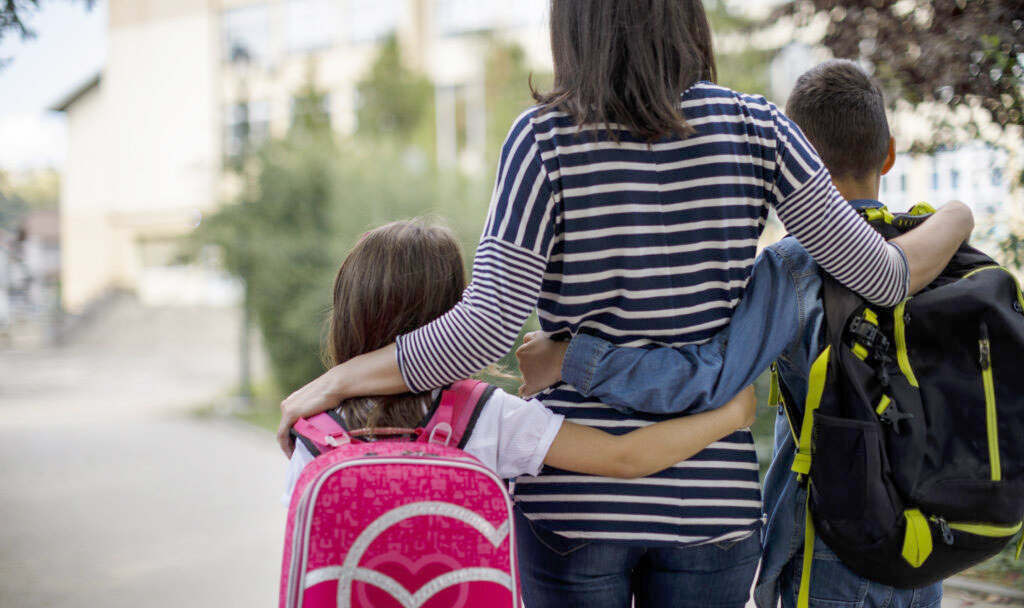
As another school year begins, students, parents and teachers are carrying far more than backpacks and lesson plans. They are carrying excitement, uncertainty, hope, pressure and expectations.
Soon, the routines will settle, unfamiliar faces will become friends and confusing hallways will feel familiar. The emotions surrounding this new beginning may feel large at first, but like clouds crossing the sky, they will shift, soften and move along. And in their place, something new will begin.
Wishing all the students, teachers, and families a great start to this new school year!
Peace & Love, Cindy