The first part of a series
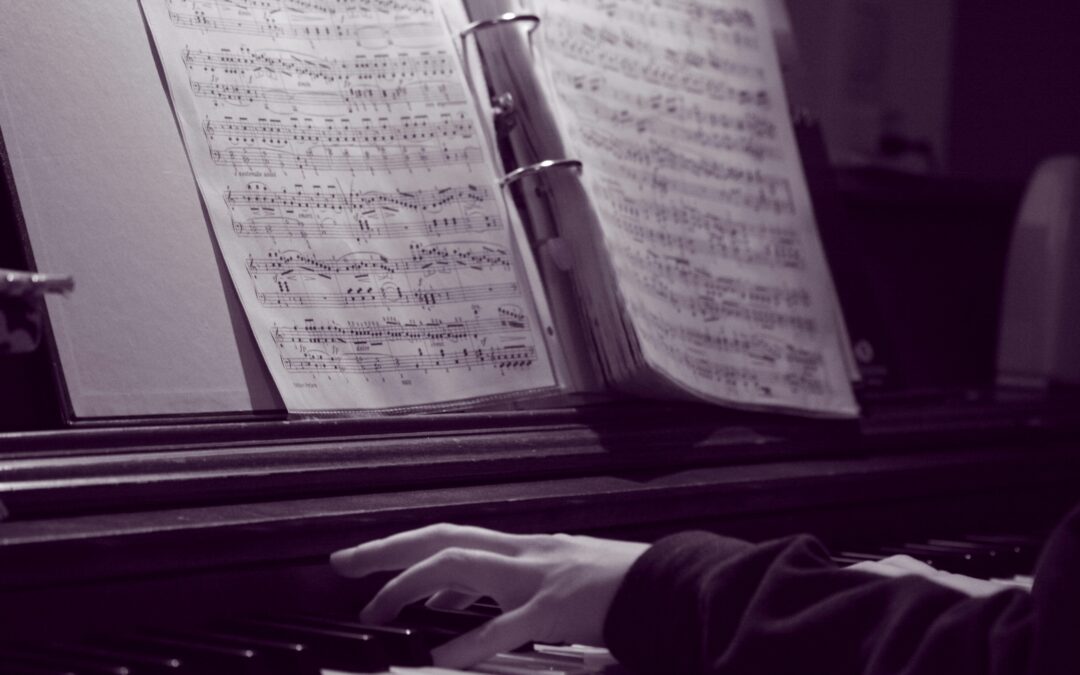
Music has long been a bridge between the tangible and the inexpressible, particularly during times of mourning. Music has a unique ability to evoke memories, bringing back moments spent with the deceased, sometimes more than words. This can be especially comforting during a funeral, where specific songs can recall the personality and preferences of the loved one.
Over my lengthy career as a funeral director I have put together many playlists with the family and played many songs for funerals representing many things. The songs and music have run the gambit from classical and traditional hymns to modern and contemporary choices. There are certainly many favorites that people choose to play at their funeral and I would say that one of the most common is “My Way” by Frank Siniatra which is praised for its message of individuality and living on one’s own terms, which makes it a powerful sendoff song. Believe it or not, music used for funeral services did not start with Frank Sinatra. The earliest forms of funeral music involved vocalizations like wails and chants to guide spirits and express grief. Using music in funerals has a long history going back all the way to the ancient Greeks and Etruscans who would use flute players or zither (a type of stringed instrument) players to accompany the funeral procession. The ancient Romans used musicians in their traditional funeral processions which included a different type of horn called a cornicini, a special trumpet with a soft sound called a lituus and tibicini which is a double flute. Judaism incorporates psalms and chants, while Buddhist ceremonies often include chanting and instrumental music to aid the soul’s journey to the other side. These traditions highlight how music has always been a crucial part of saying goodbye to loved ones. For the purposes of this article, we are going to be focusing for the most part on the development of music in funerals in western culture and mostly focusing on the Judeo-Christian history of funeral music.
After the fall of the Roman Empire funeral music transitioned from pagan laments to Christian liturgical forms, dominated by Gregorian Chants in the Middle Ages like the “Requiem Aeternam” (Eternal Rest) and “Kyrie Eleison” (Lord Have Mercy) which focus on the soul’s journey and the powerful “Dies Irae” (Day of Wrath), which describes the last judgment.
The funeral march dates back to the seventeenth century. It was a group of solemn processional marches both military and non-military that were intended only for practical use in the funerals of illustrious figures. An example of which is Purcell’s music for the funeral of Queen Mary in 1694 composed for the funeral of Mary II of England or the March to the Dauphin’s Funeral Home written for Maria Anna of Bavaria in 1690. The concept and development of funeral marches continued on through the eighteenth century and on into the nineteenth century with notable composers like Beethoven’s Eroica funeral march which adheres to the ideals of a heroic death. The Romantic period of the nineteenth century shifted funeral music toward dramatic orchestral expressions of grief and nationalism. Then you have Chopin’s iconic funeral march which many associate with death and funerals. Chopin’s funeral march expresses a defeat, for some a prayer, for others only a profound sadness and the humanization of death which has helped to contribute to the popularity and recognizability of the song.
In my next article, I’ll move forward to the music of modern times. Thanks for reading.
Andrew B. Hoffman is a funeral director at Jeffries and Keates and Keates-Plum Funeral Homes. He is a twenty-two year veteran of the funeral industry.