

Students at Saint Joseph Regional School recently tracked and learned about mushers competing in the Iditarod Trail Sled Dog Race.
All 36 fifth-grade students selected a musher to follow from March 8-20. Students researched their musher, wrote essays, created posters and tracked the progress of each team throughout the race.
The Iditarod is a 1,049-mile dog sled race held in Alaska. The race begins in Anchorage and ends in Nome. The distance is symbolic because Alaska is the 49th state in the United States.
The ceremonial start takes place March 7, while the official race begins March 8. Mushers face difficult conditions, including below-zero temperatures, strong winds and dangerous trail conditions. Along the route, racers travel through mountains, forests and frozen rivers.
Known as “The Last Great Race on Earth,” the Iditarod attracts competitors from many different backgrounds. The Red Lantern Award is presented to the final musher to complete the race.
The trail originally served as a route for delivering mail and supplies. In 1925, mushers and sled dogs helped transport diphtheria serum to communities in need, inspiring the story behind the movie “Balto,” which both fifth-grade classes watched as part of the project.
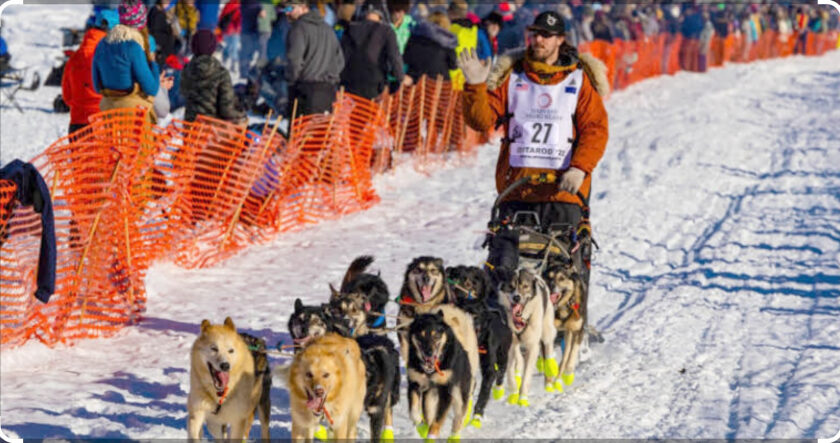
Students learned that race founder Joe Redington organized the Iditarod to help preserve sled dogs and protect the historic Iditarod Trail from Seward to Nome.
Each student researched a musher using the official Iditarod website. Students reviewed musher profiles and race logs to track standings, checkpoints, mileage and the number of dogs remaining on each team.
Students also created posters featuring facts about their mushers, including where they were born, previous Iditarod experience and photos of the musher and dog team. Essays were then written using information gathered during the research process.
In addition to writing assignments, students completed a science and engineering project inspired by the race. The two fifth-grade classes worked together to build a model Iditarod trail using cardboard, tape and other materials.
The trail included four terrain types — tundra, wet snow, rough terrain and smooth terrain. Students decorated the course with signs and handmade trees to resemble the Alaskan wilderness.
Using Lego Mindstorms NXT robotics kits, students designed small robotic sled teams capable of pulling miniature sleds along the course. Each class created three sleds to compete in races across the trail.
Students also documented the project by creating a slideshow that highlighted the construction process and explained the different terrain features.
Classmates said the project was both educational and exciting.
“We learned a lot, and I’m so excited for the people next year who get to do it,” one student said. Another student added, “I’m upset that the Iditarod ended because I wanted to continue learning.” Students said the project helped them better understand the Iditarod and the important role sled dogs have played in Alaska’s history.