Coastal Conversations
While many of us enjoy festive meals with loved ones during the holidays, thousands of families in our community still struggle to put food on the table. In Atlantic, Cape May and Cumberland counties, 70,000 people face food insecurity, including 20,000 children. That’s one in eight people, compared to one in nine statewide. For children, the situation is even more alarming: one in six kids here is hungry, compared to one in eight across New Jersey.
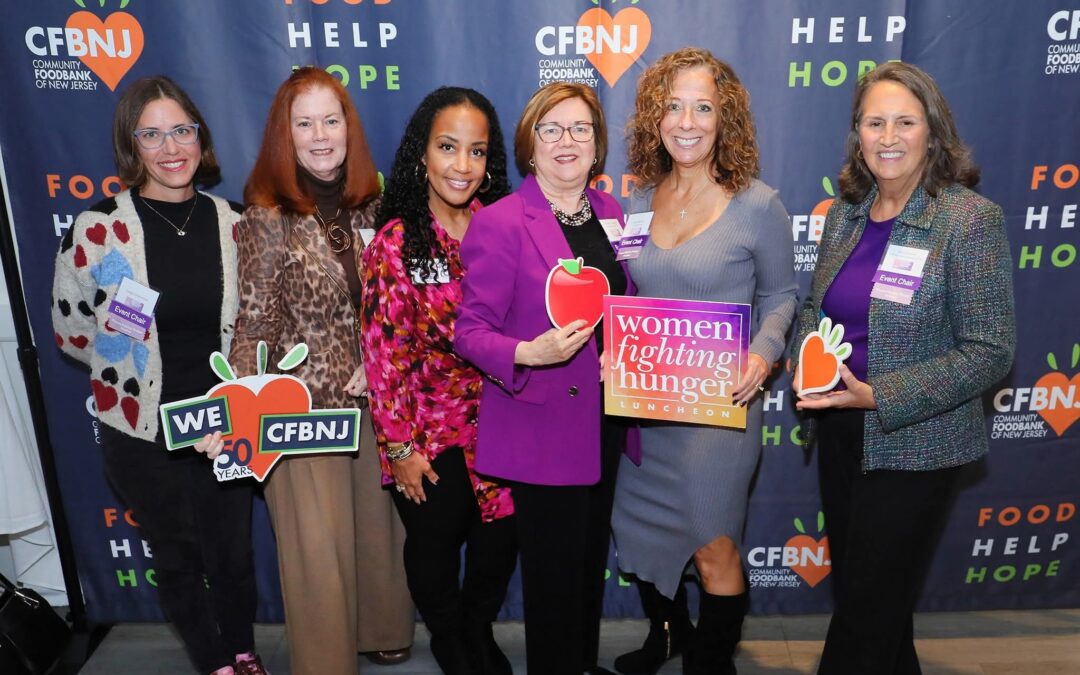
The Community FoodBank of New Jersey (CFBNJ) plays a vital role in fighting hunger across South Jersey, with dedicated volunteers like Kathy Corbalis, Chair of Women Fighting Hunger (WFH), leading the charge.
I recently spoke with Kathy to discuss her mission, the challenges facing our neighbors in need, and how the community can get involved in supporting the FoodBank’s mission. Here is our Coastal Conversation.
AS: Kathy, as the leader of Women Fighting Hunger, what does your role look like day-to-day in supporting the mission of the CFBNJ?
KC: Women Fighting Hunger is all about filling gaps that CFBNJ can’t meet on its own, especially when it comes to supporting women and families. My role involves coordinating with Julia Zauner, our Vice Chair, and the FoodBank’s external affairs team. We meet weekly to discuss emerging needs and potential projects. We focus on making sure our efforts address the most pressing issues and are impactful, whether it’s through drives, volunteering, or awareness campaigns.
AS: When did Women Fighting Hunger get started in South Jersey?
KC: Women Fighting Hunger had been operating in the North Jersey branch since 2020.
After I organized a successful drive for diapers and feminine hygiene products for them, it became clear that we needed more support. So, I pushed for creating a South Jersey branch of Women Fighting Hunger. We officially kicked things off at the 2022 WFH Luncheon, and the response has been amazing. We’ve grown quickly, and now we have a solid leadership team and a network of passionate members.
AS: What are some of the biggest challenges people in South Jersey face when it comes to food insecurity?
KC: One of the most pressing issues is the recent changes to the Supplemental Nutrition Assistance Program or SNAP. Beginning in December, many families have reduced benefits, while others now face more barriers to qualifying. We saw the impact of SNAP cuts during the government shutdown when demand at our food pantries spiked. Now, with the changes to federal nutrition programs, CFBNJ estimates it will need to double its yearly food distribution, from 90 million to 180 million meals. This is a massive challenge that will require a lot of effort and resources.
AS: How is Women Fighting Hunger helping to meet the needs of families, seniors, and children in the area?
KC: CFBNJ works year-round to address the root causes of hunger, and Women Fighting Hunger plays a key role. We run drives to collect diapers and feminine hygiene products, which are essential for many families, and not covered by SNAP benefits. We also organize the GreatBigDiaperDrive in the fall and the GreatBigPeriodProductDrive in the spring. This year, we’ll be launching a “Beyond Food” drive to collect toiletries like soap and toothbrushes. We’re also focused on supporting seniors. Through the Homebound Harvest program, we deliver food to more than 200 homebound seniors in Atlantic City each month. Our volunteers even write personal notes to include with the food packages, and the feedback has been heartwarming.
AS: Was there a recent event or initiative you’re particularly proud of?
KC: Definitely the WFH Luncheon held in October was a huge success, raising nearly $120,000 and collecting 925 pounds of food. The event featured a keynote speaker from a cookbook author and social media influencer who is passionate about fighting hunger, and his message really resonated with the audience. We couldn’t have done it without the help of our volunteers, and it was inspiring to see the community come together for such an important cause.
AS: How can local residents and businesses get involved in supporting Women Fighting Hunger and the Community FoodBank of NJ?
KC: We welcome everyone to get involved. It’s easy to join Women Fighting Hunger, just visit cfbnj.org/wfh and sign up. Whether it’s volunteering at the Community Assistance Pantry, helping with our drives, or attending fundraising events, there are plenty of ways to contribute. Businesses can partner with us by hosting drives, making donations, or spreading the word about our mission.
AS: What are some misconceptions people have about hunger and food insecurity in South Jersey, and how are you working to change those perceptions?
KC: One of the biggest misconceptions is that people who use food assistance are just looking for a handout. In reality, many of our neighbors are working multiple jobs but still can’t make ends meet. In fact, 82% of SNAP households in New Jersey include someone who is employed. The rising cost of living, especially here in South Jersey, makes it incredibly hard for families to put food on the table. We share about people who never imagined they’d need help, and it often changes these perceptions.
AS: Looking ahead, what goals do you have for Women Fighting Hunger and the FoodBank’s outreach in South Jersey?
KC: One of our biggest goals is to expand our community network. This year, we had faith-based groups, daycares, walking clubs, and businesses all working together on our #GreatBigDiaperDrive, and I’d love to see that continue. We’re strong in Atlantic County, growing in Cape May County, but we need more support in Cumberland County. I’m hopeful we can bring more people on board in that area.
AS: On a personal note, what does the Community FoodBank mean to you?
KC: The CFBNJ is incredibly important to me because it honors the values my father instilled in me. He was a cook in the military and a big advocate for social justice. Even when he didn’t have much, he volunteered at soup kitchens and donated to hunger causes. I’m proud to carry on his legacy through my work with CFBNJ. Every day, I’m reminded that we can make a real difference in the lives of our neighbors, especially the 20,000 children in our area who are struggling with hunger.
AS: Lastly, how can people contribute? Is it better to donate food or money?
KC: Both food and financial donations are crucial. But with the buying power of the CFBNJ, $1 donated equals three meals, so cash donations go a long way. People can also help by running food drives or spreading the word about hunger in our community. To donate or get involved, visit cfbnj.org.
Many thanks to Ms. Corbalis for being this week’s guest in my new column, Coastal Conversations. As the new year begins, let’s pause to remember our local neighbors in need and look for ways to support them. Together, we truly can make a difference.
Coastal Conversations highlights people in our community who are making a meaningful impact. If you know someone who would be a great fit for a future column, please contact me at ShoreCoastalConversations@gmail.com.
From the shore to your door, let’s keep the conversation going.