October brings crisp autumn air, falling leaves, pumpkin patches and spooky seasonal activities. It also brings a familiar color to storefronts, local businesses and community events: pink.
Pink ribbons, decorations and fundraisers mark Breast Cancer Awareness Month, a time dedicated to education, early detection, research and support for those affected by the disease.
Behind the pink is a difficult reality. According to the American Cancer Society, about one in eight women in the United States will develop breast cancer during her lifetime. Breast cancer is the most commonly diagnosed cancer among women, excluding skin cancers.
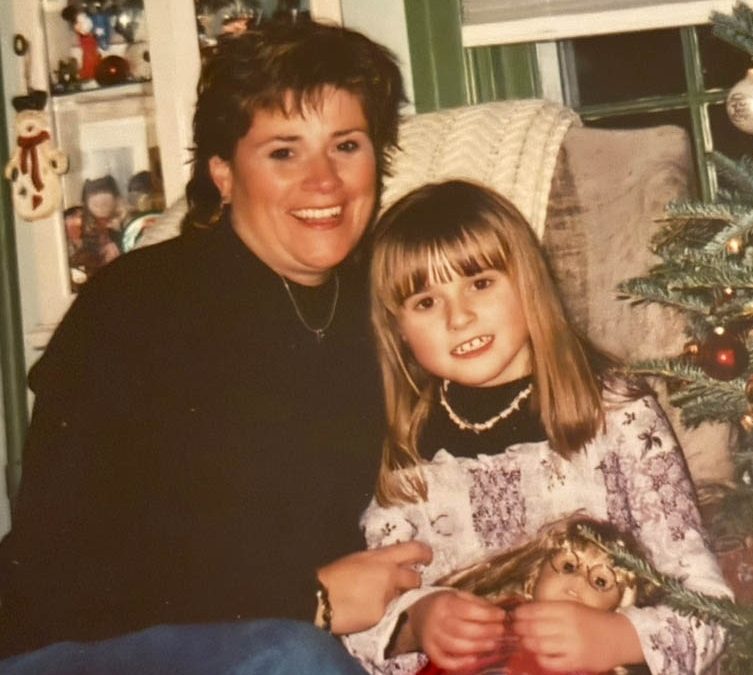
For me, the disease is deeply personal. My mother, Ghisele Curcio, first battled breast cancer in 2001. She faced it again in 2014 and was eventually diagnosed with incurable but manageable metastatic stage 4 breast cancer. After years of treatment, she died from the disease in 2025.
Groundbreaking medications helped prolong my mother’s life, giving her more time with family and friends. But despite advances in treatment, metastatic breast cancer remains incurable.
My experience as my mother’s caregiver gave me insight into the physical and emotional challenges of cancer and the importance of community support.
Walking for a cause close to home
One way to make a difference during Breast Cancer Awareness Month is by participating in local events that raise money for research, patient support and education.
The American Cancer Society’s Making Strides Against Breast Cancer walk returns to Ocean City on Sunday, Oct. 11, for its 19th annual event at the Ocean City Sports and Civic Center.
Activities begin at 8:30 a.m., followed by a survivor and thriver celebration at 9:30 a.m. The 5K walk begins at 10 a.m. The event is free, but donations are encouraged.
I attended last year’s walk with friends just a few months after losing my mother. It was inspiring to listen to those affected by the disease and hear their stories of hope.
The experience connected me with others who understood the impact of breast cancer, whether through their own diagnosis or the loss of a loved one. I plan to attend again this year to honor my mother’s memory and support the cause.
The realities of caregiving
Cancer treatment involves more than appointments, medications and scans. For caregivers, the experience extends well beyond the doctor’s office.
During the final months of my mother’s life, I became her full-time caregiver.
The routine was physically demanding, while the emotional toll brought stress, anxiety and uncertainty. Still, I searched for ways to make the experience feel less overwhelming.
The night before chemotherapy, I often took my mother to get her nails done. At home, we made time for face masks and other self-care activities.
I also assembled a chemotherapy bag filled with practical and entertaining items. Along with supplies to help manage potential side effects, I packed stress-relief squishies, sudoku books, coloring materials and her laptop so she could watch movies during treatment.
Even in difficult circumstances, small moments of joy and connection can become treasured memories.
Supporting the caregiver, too
While much of the attention naturally goes to the person battling cancer, caregivers often put their own needs aside.
I allowed my physical and mental health to take a back seat while caring for my mother. The constant stress and anticipation of loss made it difficult to prioritize myself.
My support system helped carry some of that weight. Friends regularly checked in, offering encouragement and reminding me that I was not alone. A close group of college friends went a step further while I was in hospice with my mother. They put together a care package filled with new loungewear, skin care products, hair products and other self-care items.
Taking breaks, accepting help and staying connected with friends are important parts of caregiving.
A meal, a thoughtful text or an offer to drive someone to an appointment can make a meaningful difference. Checking on the caregiver is just as important as asking how the patient is doing.
Turning awareness into action
Residents can support breast cancer initiatives by attending local walks, donating to reputable organizations, volunteering and supporting families affected by the disease.
For me, the meaning of October has changed. Pink is no longer simply a pretty color. It represents the strength of survivors, the dedication of caregivers, the compassion of friends and the memories of loved ones lost.
As the community gathers in Ocean City on Oct. 11, every step along the Boardwalk will represent hope, support and remembrance.
Behind every pink ribbon is a story. Sometimes, the most meaningful way to honor those stories is simply to show up.