To the editor
We are now more than a year and a half following the closure of the Wonderland amusement park. While the Boardwalk Subcommittee is doing serious work — and I look forward to its presentation on Feb. 7 — the broader conversation in town is stuck in the same place it was almost two years ago: a high-rise hotel, or nothing. Yet, in all that time, the hotel developer has shared no new information about his hotel, what it will include, how high it will be, how it will incorporate the entertainment he promised to include, or whether he is open to compromise. His plan and diagrams remain vague, and there is still no clear, updated proposal the public can evaluate.
Why is this?
Mr. Mita has heard the voices in town. He knows there is significant opposition to the scale of what has been floated — not necessarily to a hotel in concept, but to the size, and to the loss of family entertainment. He has been rumored to be open to reducing the height — but by how much? He has heard the objections to tax relief, (and even his own attorney suggested the project could proceed without it) — but what is his position, really?
He has heard major concerns about parking, with his resort unable to accommodate guests and workers, with the result being cars packing neighboring streets, which are already above capacity. Yet the answer we keep getting is a sales pitch: “I’m not bringing a problem — I’m bringing a solution!” But what is it, exactly?
On amusements, his story has veered all over the map, sometimes with the Ferris Wheel gone; other times with him gifting it to the City. Who’s paying for its repair? Or will it be just a light show, and not a ride? Other rides seem to come and go — they were taped over in some presentations. What’s really proposed?
I get it — this is sales. Mr. Mita is a salesman and he is market-testing. Floating ideas, promising different things, seeing what sticks and what draws pushback, learning what matters and what doesn’t. That’s to be expected…in the beginning. But normally, market testing leads somewhere: an updated proposal that reflects what you’ve heard, and moves an idea along. Instead, we have division and confusion.
Here’s a crazy idea: how about he answers these questions the straightforward way — with updated drawings. Show a plan where the resort actually fits the property. Show the beach as it exists today, in its narrow state — not an idealized version. Show the carousel, Ferris wheel, and any proposed rides in their real, proposed locations. Show a lower height. Put it on paper so the public can react to something concrete.
And since he is seeking special approvals that effectively grant a very valuable development right, then it’s also fair to ask for a bit more transparency on the fundamentals. Yes, the finances are “his business.” But before the city contemplates granting expanded build rights — or reshaping the future of the Boardwalk around one private project — the public deserves to understand, at least at a basic level, how the project can be sustainable, which is a legitimate question. Outside of Atlantic City, no hotel of this size has been built on the NJ Shore in decades. How will this one be different?
That doesn’t mean disclosing proprietary details. It means providing enough information to evaluate whether his promises match the economics: the project budget range, the capital structure in broad strokes, the occupancy and pricing assumptions, and what exactly is being financed (and what isn’t). If the proposal depends on optimistic assumptions, the public should know that before we lock in irreversible land-use decisions. We don’t want the city approving what it thinks is a hotel that quickly becomes condos. (Remember The Soleil.)
Along the same lines, the city should sponsor a third-party market study that answers the questions residents are actually asking: How many incremental visitors would this resort bring, if any, or does it just cannibalize business at other hotels? When would the visitors come? Where would they likely spend money — on the Boardwalk, downtown, elsewhere, or mostly on-site? How does that spending compare to other potential uses of the site? And importantly: would the resort strengthen the Boardwalk’s ecosystem, or siphon activity away from it?
These are reasonable questions. They’re not anti-business. They’re basic due diligence.
And all of this — updated plans, basic sustainability assumptions, and independent market analysis — would be useful input for the Boardwalk Subcommittee as it evaluates whether any zoning changes are truly warranted, and if so, what changes actually serve the public interest.
In the end, I know we need to move forward, and that some compromise is necessary. But to compromise, we need a solid starting point. It’s time we had one.
Sincerely, Bill Merritt Ocean City 2050
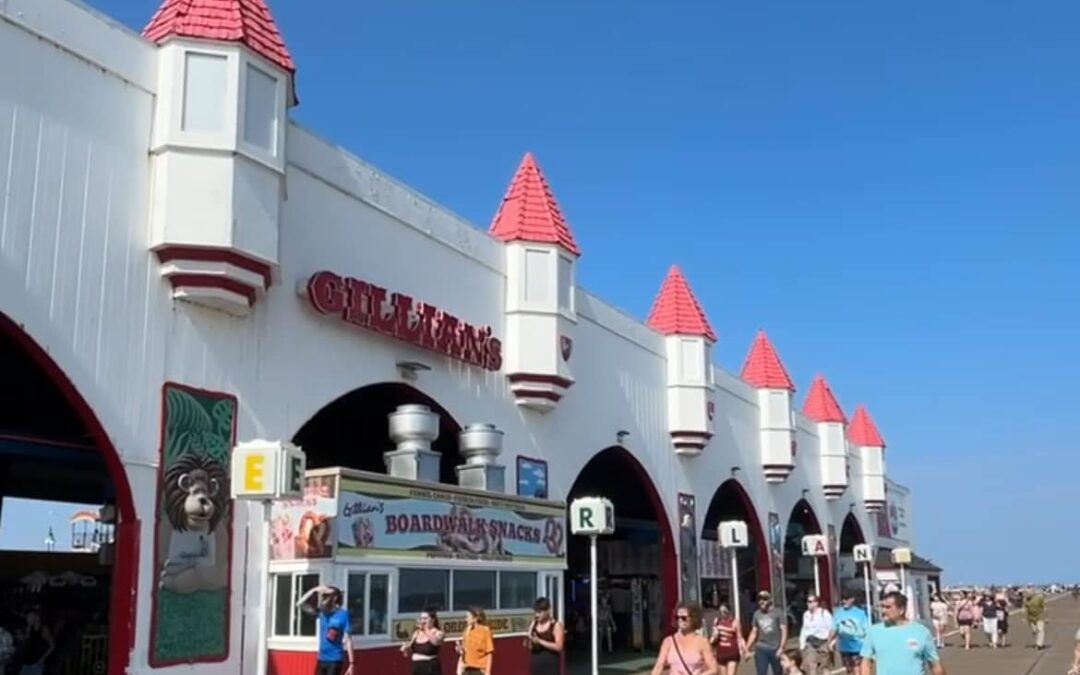
Featured Photo credit: Coasters and Brews Facebook