
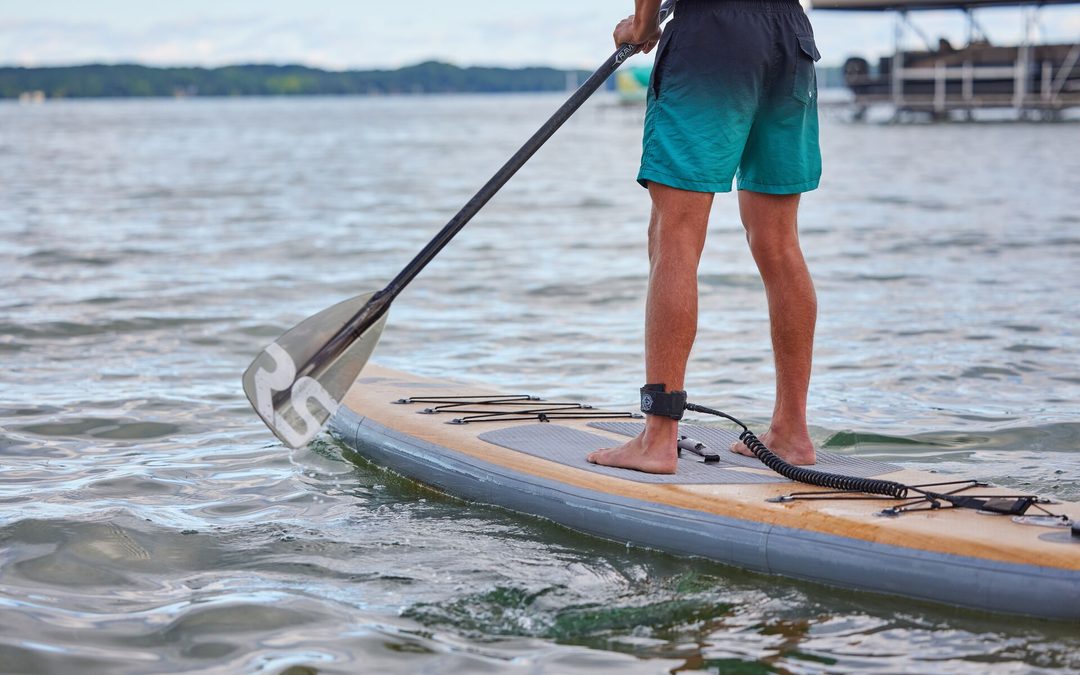
There is something miraculous about standing on the surface of the water.
From the seat of a kayak, the bay is beautiful. From a boat, it is exhilarating. But on a stand-up paddleboard, there is little separating you from the water below. You can glide quietly past marsh grass, watch minnows dart beneath your board and get a workout without necessarily feeling like you are exercising.
And despite what one might think, you do not need extraordinary balance or years of experience to give it a try.
Stand-up paddleboarding, commonly shortened to SUP, has become a summertime staple at the Jersey Shore, with rental businesses and launch points accessible throughout Atlantic County to Cape May. Beginners can also consider learning on one of South Jersey’s freshwater lakes.
Here is what to know before you grab a paddle.
Start simple
Before spending hundreds of dollars on your own board, renting is an easy way to see whether paddleboarding is for you. It also solves one of the activity’s biggest logistical challenges: transporting an approximately 10-foot board to the water.
Around the Shore, a couple outfitters make it easy for beginners to get started.
SUP Guy operates from the Wildwood Marina area and serves several Cape May County shore towns. Its rentals include a paddle, life jacket and brief introduction to the basics, and longer rentals can be delivered and picked up — particularly convenient for vacationers who want a board for several days.
Rental availability, hours and weather policies can change throughout the season, so it is worth calling or booking ahead before making the trip.
If you are looking to invest, start with an inflatable paddleboard. They’re lightweight, easy to transport, and just as effective as a solid board. Keep an auto-inflator in your car and you can paddle anywhere!
Where should beginners paddle?
The best place to learn is generally flat, protected water.
While the image of paddling through breaking ocean waves may look impressive, the open Atlantic adds waves, currents and shore break to an activity that already requires a little balance. Save that challenge for after you have some experience.
The Shore’s back bays offer plenty of alternatives.
The Great Egg Harbor Bay, the waterways behind Sea Isle City and Strathmere and the bay surrounding Port Republic all offer opportunities to explore salt marshes and quieter stretches of water. Local outfitters often know which routes work best at a particular tide and wind direction.
Lakes Bay, between Pleasantville and Atlantic City, is another option. If you are going out without a guide, remember that “back bay” does not necessarily mean “easy.” Tides can create surprisingly strong currents around bridges, channels and inlets, and boat traffic can produce wakes. Beginners should stick close to shore and avoid busy navigation channels.
Freshwater can be one of the easiest places to learn because paddlers do not have to contend with tides, saltwater currents or ocean swells.
Lake Nummy at Belleplain State Forest is one South Jersey option. The state specifically permits canoes, kayaks and paddleboards to launch near the lake’s floating dock. Surrounded by pine, oak and cedar forest, the lake offers a very different paddling experience from the Shore’s tidal bays.
Lake Lenape Park in Mays Landing offers boating on the lake, although permits and park boating regulations apply. Paddlers should check current requirements with Atlantic County Parks before launching.
How to actually stand up
Do not feel pressured to immediately leap to your feet.
Start on your knees near the center of the board. Take a few strokes and get a sense of how the board responds underneath you. There is no shame in kneeling or sitting!
When you are ready, place your hands on the board and slowly bring one foot at a time to approximately where your knees had been. Keep your feet about shoulder-width apart.
Then look ahead. Focus on a still point in the horizon, to keep your balance. It is tempting to stare directly at your feet when the board starts wobbling, but resist the temptation. Staring straight ahead generally makes balancing easier. Keep your knees slightly bent rather than locking your legs.
And if you spend your entire first outing kneeling? You are still paddleboarding. Falling in is also part of the fun. If you feel yourself going down, try to fall away from the board rather than onto it.
Safety before scenery
A paddleboard may feel more like a floating piece of sporting equipment than a boat, but the U.S. Coast Guard classifies paddleboards as vessels for purposes of its boating regulations.
Bring — and preferably wear — a properly fitted, Coast Guard-approved personal flotation device. The Coast Guard recommends wearing a life jacket whenever a vessel is underway.
Wear your leash when appropriate. It keeps the board from rapidly drifting away after a fall. Because leash selection can differ for rivers, surf and flat water, ask a local outfitter what is appropriate for where you are paddling.
Check the wind before going out. What feels like a light breeze on land can become a challenging paddle once you are exposed on open water. Beginners should avoid windy conditions and, when possible, paddle into the breeze early so the return trip is easier.
Be aware of the tide. This is especially important in the back bays. An outgoing tide can pull paddlers toward inlets and stronger current.
Track the weather. Do not launch when thunderstorms or hazardous marine conditions are approaching.
Give a friend or family member your approximate route and expected return time.
Bring water and sun protection.There is very little shade in the middle of a bay.
Keep your phone protected. A waterproof pouch can allow you to call for help without sacrificing your phone to the bottom of the bay.
Stay clear of boat channels. Paddle defensively and assume powerboats may not see you.
Do not overestimate your ability. A guided tour or introductory lesson can be a particularly good investment for a first trip on tidal water.
A workout with a view
Part of paddleboarding’s appeal is that it can be as athletic or as leisurely as you want it to be.
Standing and balancing engages the core and stabilizing muscles while paddling works the shoulders, arms and back. Your legs are working, too, making constant small adjustments beneath you as the board moves.
Pick up the pace and SUP can become a serious workout. Slow down and it becomes something closer to a floating nature walk. That versatility is arguably its greatest benefit.
A paddler can spend an early morning cruising beside the marshes, stop moving and watch an egret hunt along the shoreline, or simply sit down on the board for a few minutes and enjoy being surrounded by water.
There is also room to grow. Once basic paddling becomes comfortable, enthusiasts can try longer excursions, SUP yoga, fishing, touring and eventually ocean paddling. But there is no prize for standing the longest or paddling the farthest.
For a first outing, pick calm water, wear a life jacket, stay relatively close to your launch point and give yourself permission to wobble.
Sometimes the best part of learning to paddleboard is discovering that falling in was never such a big deal in the first place.